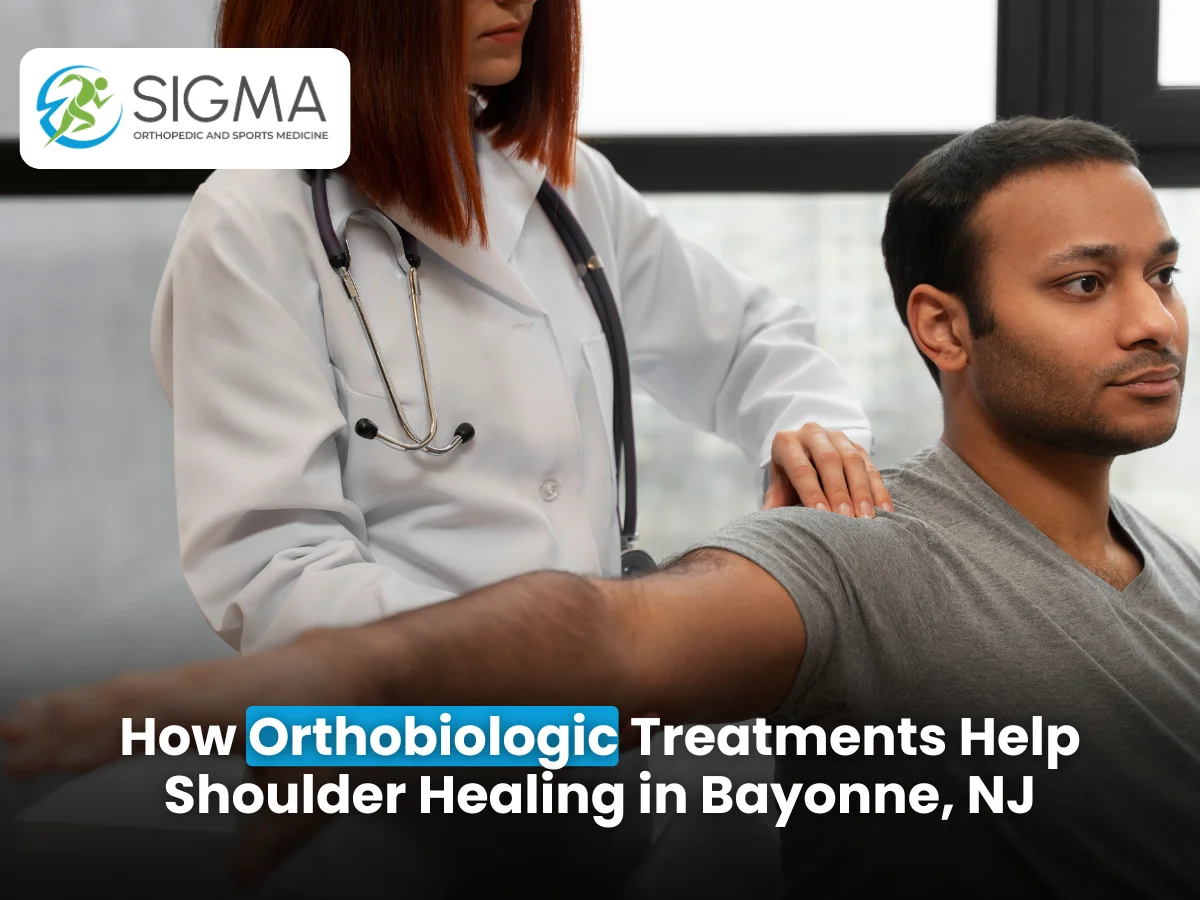
Shoulder injuries are some of the most common musculoskeletal problems, affecting athletes, active adults, and even those with routine daily strains. Whether caused by rotator cuff tears, tendon injuries, or arthritis, shoulder pain can limit mobility, make simple tasks difficult, and reduce overall quality of life.
While traditional treatments often rely on anti-inflammatory medications or surgery, many patients in Bayonne, NJ, are turning to orthobiologic treatment as a more natural, targeted approach. These therapies, part of regenerative orthopedics, harness the body’s own healing mechanisms to repair damaged tissue, reduce inflammation, and restore shoulder function.
With options like stem cell injections, PRP biologics, BMAC treatment, and A2M injections, orthobiologic therapy works directly at the source of injury, offering patients a minimally invasive and effective alternative to conventional methods.
How Orthobiologic Treatments Work
Orthobiologic treatments aim to repair shoulder tissue using the body’s own biological materials, which contain cells, growth factors, and proteins that stimulate healing. Unlike pain medications, which simply mask discomfort, these treatments actively support tissue regeneration.
The key healing benefits include:
- Tendon and cartilage repair: Stimulates growth of new tissue in damaged areas
- Reduced inflammation: Naturally decreases swelling and pain
- Restored joint function: Improves mobility, flexibility, and strength
- Joint preservation: Helps prevent further tissue degeneration and reduces the likelihood of surgery
In Bayonne, NJ, patients report faster recovery and better long-term shoulder health when orthobiologic treatments are combined with physical therapy and rehabilitation exercises.
Types of Orthobiologic Treatments for Shoulder Healing
1. Stem Cell Injections
Stem cells are specialized cells that can transform into multiple types of tissue. For shoulder injuries, stem cells are typically harvested from bone marrow or adipose (fat) tissue, concentrated, and injected into the injured area.
Once injected, stem cells:
- Differentiate into tendon, ligament, or cartilage cells
- Release growth factors that promote tissue regeneration
- Reduce inflammation in the joint
- Improve strength and range of motion
Stem cell injections are particularly effective for chronic rotator cuff injuries, partial tendon tears, and degenerative cartilage damage. Patients often notice gradual improvement over weeks to months as the tissue regenerates naturally.
2. PRP Biologics
Platelet-rich plasma (PRP) is derived from a patient’s own blood. The plasma is enriched with platelets, which contain proteins and growth factors that stimulate tissue repair.
PRP injections:
- Accelerate healing of tendons and ligaments
- Reduce inflammation and pain
- Improve shoulder stability and function
PRP biologics are commonly used for rotator cuff tendonitis, mild arthritis, or post-surgical recovery. Many patients notice reduced pain within a few weeks, with continued improvements in strength and mobility over several months.
3. BMAC Treatment
Bone marrow aspirate concentrate (BMAC) involves extracting stem cells from bone marrow, concentrating them, and injecting them directly into the shoulder.
BMAC works by:
- Delivering high concentrations of stem cells to damaged tissue
- Encouraging the growth of new tendons and cartilage
- Reducing inflammation and supporting natural repair
This treatment is especially beneficial for chronic injuries or degenerative conditions where deeper tissue regeneration is required. Patients with long-standing pain or partial tears often experience noticeable improvements in mobility and function after BMAC therapy.
4. A2M Injection
Alpha-2-macroglobulin (A2M) injections are designed to protect cartilage from enzymes that cause breakdown. This therapy is particularly effective for patients with early arthritis or cartilage wear.
A2M injections:
- Slow cartilage degeneration
- Reduce pain and stiffness
- Preserve long-term joint health
By protecting the joint from further damage, A2M injections help patients maintain shoulder function and delay the need for surgery.
The Treatment Process
The process for orthobiologic shoulder treatment is structured and precise, designed to maximize healing while minimizing discomfort:
- Initial Consultation and Evaluation
The specialist examines the shoulder, reviews imaging (MRI or ultrasound), and identifies the damaged tissue. This step ensures the most appropriate orthobiologic therapy is selected. - Preparation of Biologic Material
Depending on the therapy, blood or bone marrow is collected and processed. This concentrates stem cells, platelets, or other regenerative components to deliver maximum healing potential. - Injection Procedure
Using imaging guidance, the biologic material is injected directly into the injured shoulder. Accurate placement ensures the cells and growth factors reach the areas that need repair most. - Post-Treatment Care
Most patients can resume light daily activities immediately. Pain and inflammation are often reduced within days, while tissue repair progresses over weeks. - Rehabilitation (Optional but Recommended)
Physical therapy exercises can be introduced gradually to strengthen shoulder muscles, improve mobility, and support long-term recovery.
How Orthobiologics Promote Healing
The success of orthobiologic treatments lies in their multi-level approach:
- Targeted Healing: Biologics are delivered directly to the damaged area.
- Natural Regeneration: Stem cells and growth factors stimulate the body’s own repair processes.
- Reduced Inflammation: PRP and A2M injections calm inflammation, which is a major source of pain.
- Joint Preservation: These therapies help prevent further degeneration, slowing arthritis progression.
Patients in Bayonne, NJ, who combine orthobiologic therapy with guided rehabilitation often experience:
- Faster recovery compared to traditional approaches
- Reduced dependence on pain medications
- Improved shoulder function and range of motion
Benefits of Orthobiologic Shoulder Treatments
- Minimally Invasive: Outpatient procedure with low risk
- Speeds Recovery: Enhances natural healing faster than rest alone
- Reduces Pain: Acts directly on inflamed and damaged tissues
- Improves Function: Restores strength, flexibility, and range of motion
- Prevents Further Damage: Slows tissue degeneration and joint wear
Conclusion
Orthobiologic treatment in Bayonne, NJ, is a modern, effective solution for shoulder injuries. By using the body’s own healing mechanisms through stem cell injections, PRP biologics, BMAC treatment, and A2M injections, these therapies repair damaged tissue, reduce inflammation, and restore shoulder function naturally.
With orthobiologic treatments, shoulder recovery becomes faster, more natural, and less reliant on invasive surgery or long-term medications, helping patients regain comfort, strength, and confidence in their shoulders.
FAQs
Q1: How quickly do orthobiologic treatments work for shoulder injuries?
Most patients notice pain reduction within 4–6 weeks, with continued tissue repair over several months.
Q2: Are these treatments safe?
Yes. Since the therapies use the patient’s own biological materials, the risk of complications is minimal.
Q3: Can orthobiologics replace surgery?
In many cases, yes, they can reduce or delay the need for surgery. However, severe injuries may still require surgical intervention.
Q4: Which treatment is best for arthritis?
A2M injections, PRP biologics, and BMAC treatment are highly effective in slowing cartilage degeneration and reducing pain.
Q5: Can athletes use orthobiologics to return to activity faster?
Absolutely. Many athletes regain strength and mobility faster than with traditional recovery methods.