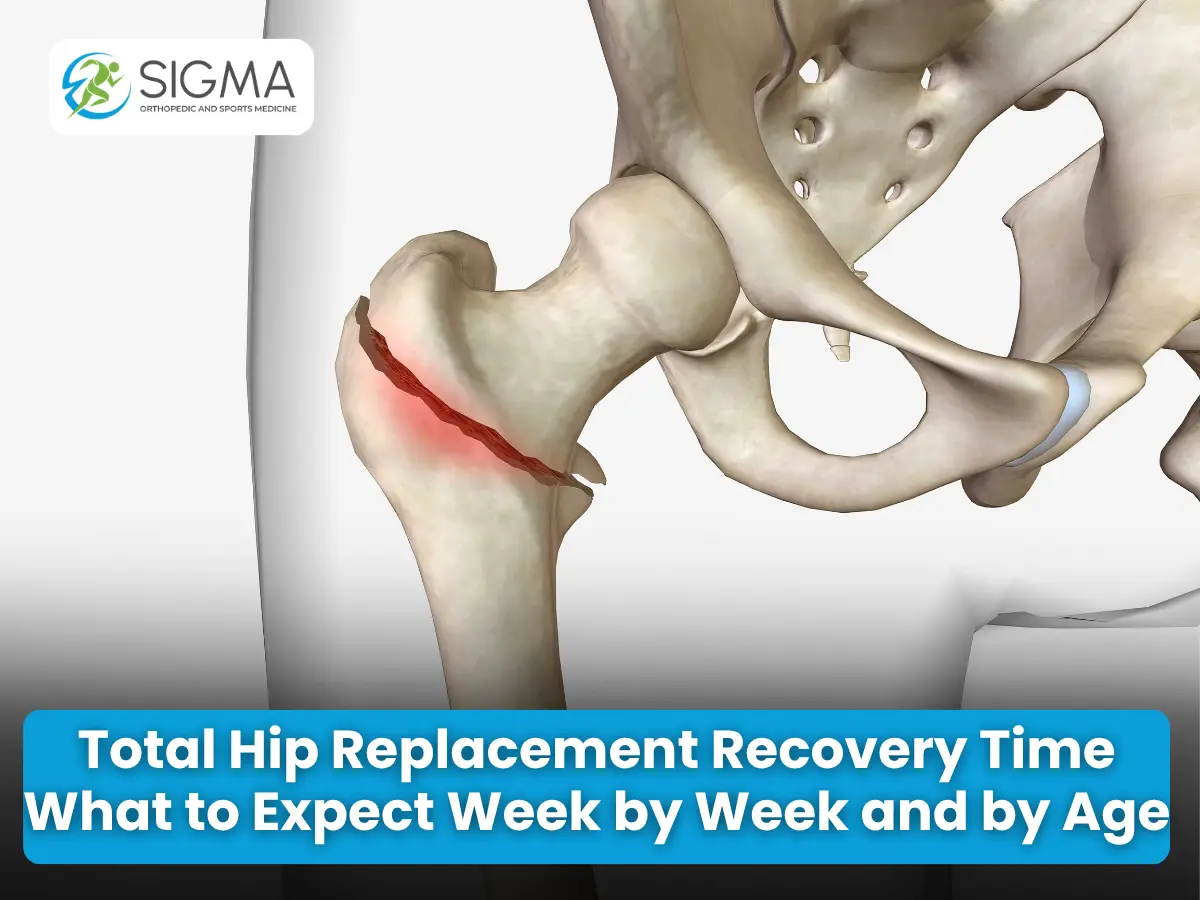

Knee discomfort is no longer something you have to “live with” after turning 50. That nagging pain, the stiff mornings, the hesitation before climbing stairs, most often point to meniscus issues. The meniscus, a C-shaped cartilage in your knee, acts as a cushion between bones, absorbing shock and stabilizing movement. Understanding meniscus repair over age 50 is crucial for making informed choices about recovery, mobility, and long-term joint health.
Understanding the Meniscus and Age-Related Changes
The meniscus is made of tough, rubbery cartilage that cushions your thigh bone and shin bone. Over the years, wear and tear, minor injuries, or degenerative changes can make it prone to tears. Unlike younger adults, older patients may also experience thinning cartilage and reduced blood flow, which can slow healing.
Common causes of meniscus issues after 50 include:
- Twisting injuries or sudden pivots
- Osteoarthritis and cartilage degeneration
- Previous knee surgeries or untreated injuries
- Repetitive stress from sports or daily activity
TheNational Institute on Aging emphasizes that early diagnosis and treatment improve mobility and prevent further joint deterioration. By understanding meniscus repair over age 50, you can take proactive steps toward preventing chronic knee issues.
Meniscus Pain Treatment: From Conservative to Advanced
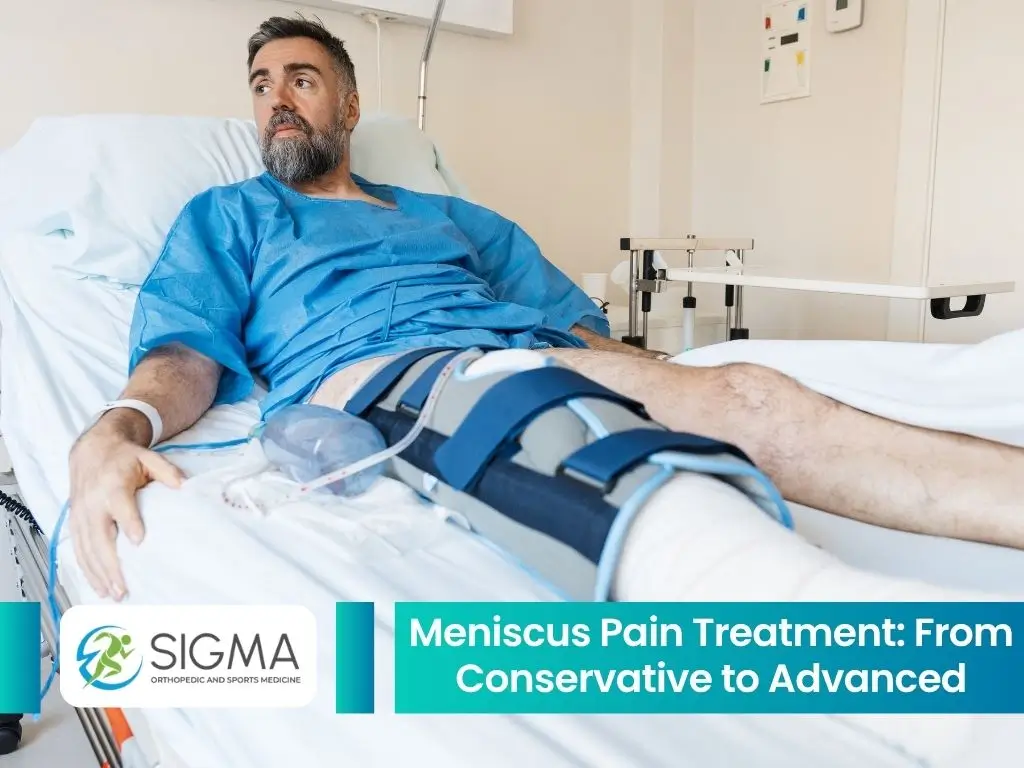
Meniscus Surgery Over 50: What to Expect
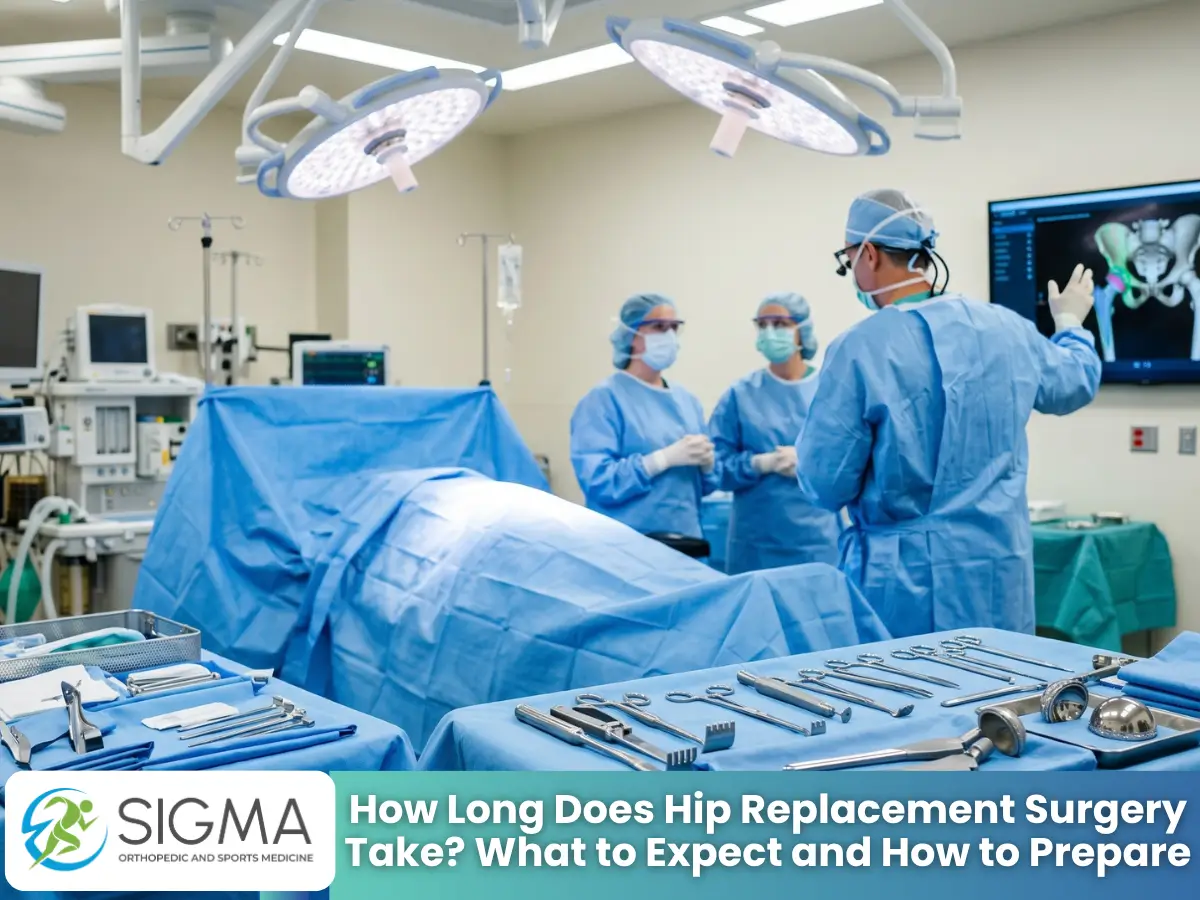
When conservative care isn’t enough, meniscus repair over age 50 or meniscal surgery may be recommended. There are two main procedures:
- Meniscus Trim (Partial Meniscectomy) – Damaged tissue is trimmed to reduce pain and improve mobility. Often preferred when the tear is complex or the healing potential is limited.
- Meniscal Repair – The torn meniscus is sutured and allowed to heal naturally, preserving cartilage and reducing long-term osteoarthritis risk.
Older patients face slightly higher challenges due to slower healing and thinner cartilage, but proper post-surgical care improves outcomes. Meniscus surgery recovery time varies, typically ranging from 6 weeks for partial trims to 3–4 months for full repairs.
Meniscus Bone and Joint Considerations
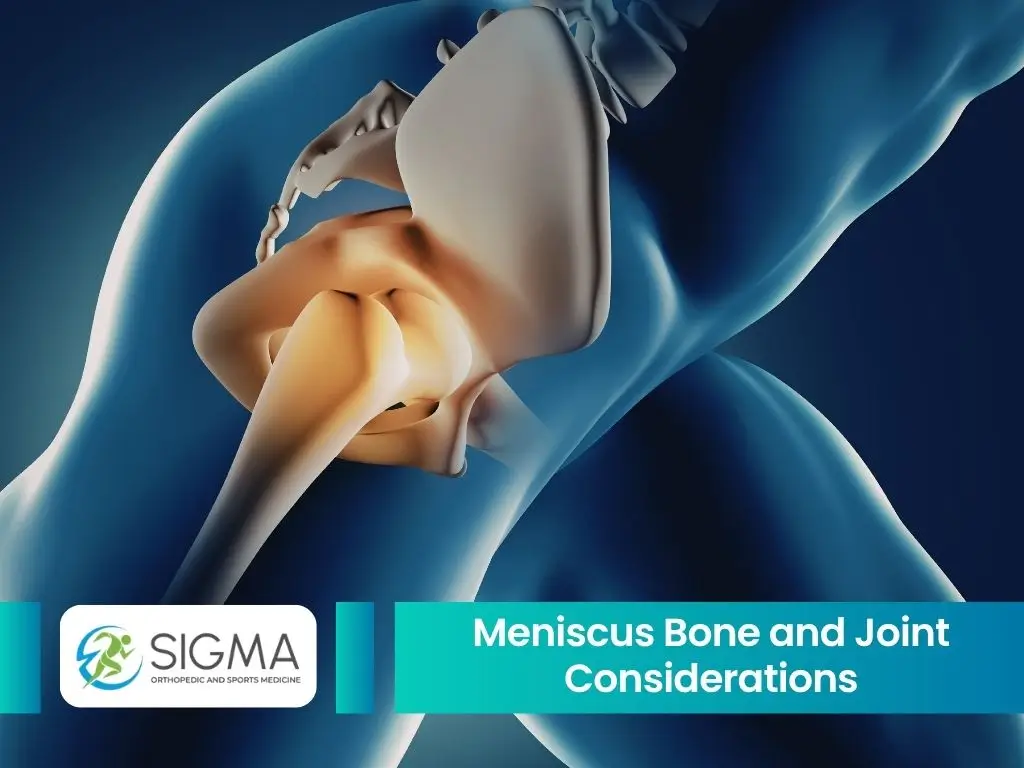
Healing the meniscus isn’t just about cartilage; it’s about protecting the meniscus bone and surrounding structures. Age-related bone density loss can complicate recovery. Surgeons often assess:
- Bone strength through imaging
- Alignment issues in the knee
- Cartilage wear and osteoarthritis progression
Addressing bone health through diet, supplements, or weight-bearing exercises enhances meniscus healing and ensures long-term knee stability.
Rehabilitation: The Key to Successful Meniscus Repair
Surgery alone doesn’t guarantee restored function. Structured meniscus surgery recovery plans are vital. They usually involve:
- Gentle range-of-motion exercises in the first few weeks
- Gradual strength training targeting the quadriceps and hamstrings
- Balance and stability drills to reduce fall risk
- Low-impact activities like swimming or cycling for endurance
Consistency matters. SIGMA Orthopedics emphasizes milestone-based recovery tracking, ensuring every patient sees measurable improvement while avoiding overexertion.
Preventing Future Meniscus Injuries After Age 50
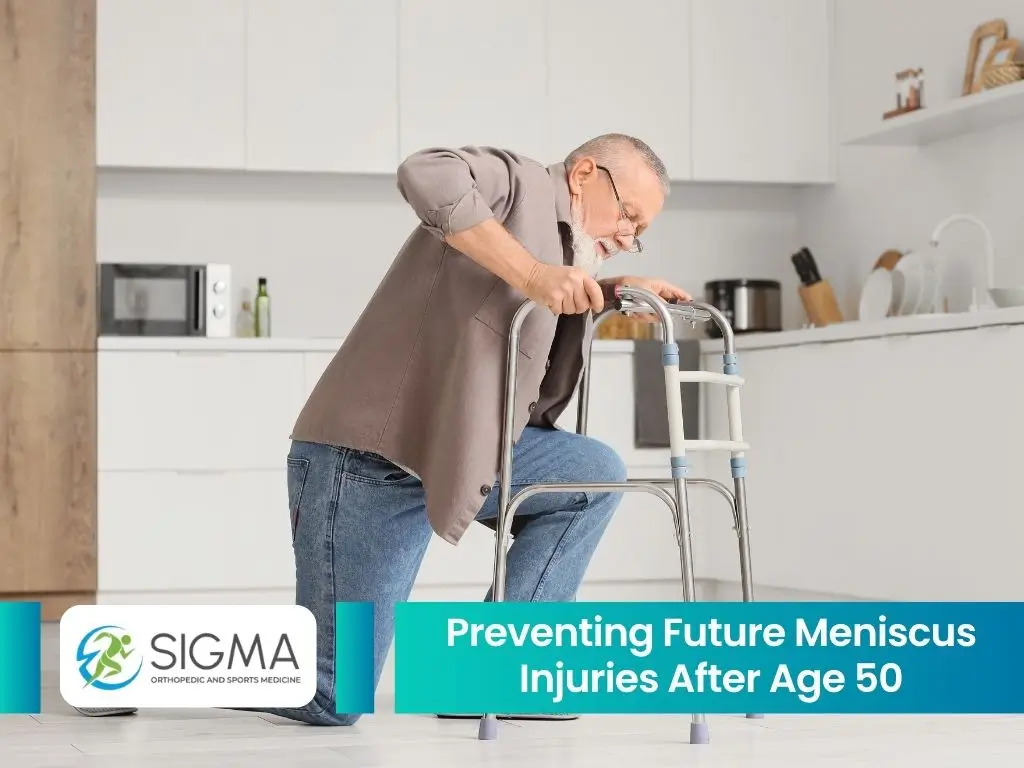
Recovering from a meniscus tear is just one part of maintaining knee health. Prevention ensures you stay active and avoid repeat injuries. Key strategies include:
- Strengthening the muscles around the knee to support the joint
- Maintaining a healthy weight to reduce stress on the meniscus bone
- Using proper techniques during sports or exercise
- Incorporating balance and flexibility training
- Wearing supportive footwear during daily activity
For example, Jane, a 57-year-old avid walker, had a minor meniscus tear repaired last year. She followed a structured rehabilitation program and continued knee-strengthening exercises at home. Within six months, not only did she return to her daily walks, but she also avoided any repeat injuries. Her success demonstrates how preventive care and regular exercise can keep knees strong well into later years.
Government resources, such as the Centers for Disease Control and Prevention (CDC) – Arthritis Program, emphasize that exercise, strength training, and joint care are crucial for older adults to maintain mobility and prevent chronic knee problems.
Why Choose SIGMA Orthopedics for Meniscus Care
SIGMA Orthopedics stands apart by blending surgical precision with a team-based, outcome-focused approach. Patients benefit from:
- Board-certified specialists trained at Harvard and international centers
- Evidence-driven protocols for meniscus repair and rehabilitation
- Personalized recovery plans tailored to age, health, and lifestyle
- Integration of non-surgical, surgical, and regenerative care
- Measurable outcomes to track progress and reduce uncertainty
Patients don’t just get surgery; they gain clarity, confidence, and a roadmap for returning to an active lifestyle.
Recovery Timeline and Expectations After Meniscus Repair
Meniscus surgery recovery time depends on procedure type and patient factors:
- Meniscus Trim: 4–6 weeks to resume low-impact activity
- Meniscal Repair: 3–4 months before full weight-bearing or sports
- Gradual progression ensures the protection of surrounding tissues and meniscus bone integrity
SIGMA Orthopedics’ structured program combines meniscus rehabilitation exercises with regular check-ins to ensure predictable recovery.
Conclusion
Knee pain doesn’t have to dictate your golden years. Understanding meniscus repair over age 50, coupled with structured rehabilitation, ensures you regain mobility, strength, and confidence. Whether it’s a partial meniscus trim, a full meniscal repair, or a tailored meniscus pain treatment plan, the right approach restores function while protecting long-term joint health.
Choose SIGMA Orthopedics for a multi-specialty, evidence-driven path to recovery. With board-certified surgeons, measurable outcomes, and patient-focused protocols, every step is guided with precision and care.
Call 833-SIGMA MD or Request an Appointment today to start your journey to pain-free knees.
Frequently Asked Questions
What is the best treatment for meniscus tears over 50?
Treatment depends on tear type and symptoms. Minor tears may improve with physical therapy, bracing, or anti-inflammatory medication, while complex tears often require meniscal repair or meniscus trim.
How long does the meniscus surgery recovery time usually take?
Recovery ranges from 4–6 weeks for partial meniscectomy to 3–4 months for full meniscal repair, including guided rehabilitation exercises.
Can meniscus tears heal without surgery after age 50?
Yes, some minor tears respond well to meniscus pain treatment, including rest, therapy, and activity modifications, especially if the knee remains stable.
What exercises help after meniscus repair?
Key meniscus rehabilitation exercises include:
- Quadriceps strengthening
- Hamstring curls
- Heel slides for range of motion
- Low-impact cycling or swimming
Is meniscus repair safe for seniors?
When performed by experienced orthopedic surgeons, meniscus repair in patients over age 50 is safe and effective. Outcomes improve with structured rehabilitation and monitoring of meniscus bone health.