
There’s a strange kind of frustration that comes with knee pain. Not the sharp, dramatic kind that stops you in your tracks, but the nagging, off-track feeling. Like something isn’t gliding right. That’s often what patellar tracking disorder feels like. Your kneecap isn’t moving smoothly, and every step reminds you of it.
The good news? With the right approach, you can retrain your knee. These 5 exercises to fix patellar tracking disorder aren’t just random movements. They’re targeted, structured, and designed to restore alignment, strength, and confidence in how your knee moves.
What Is Patellar Tracking Disorder and Why Does It Happen
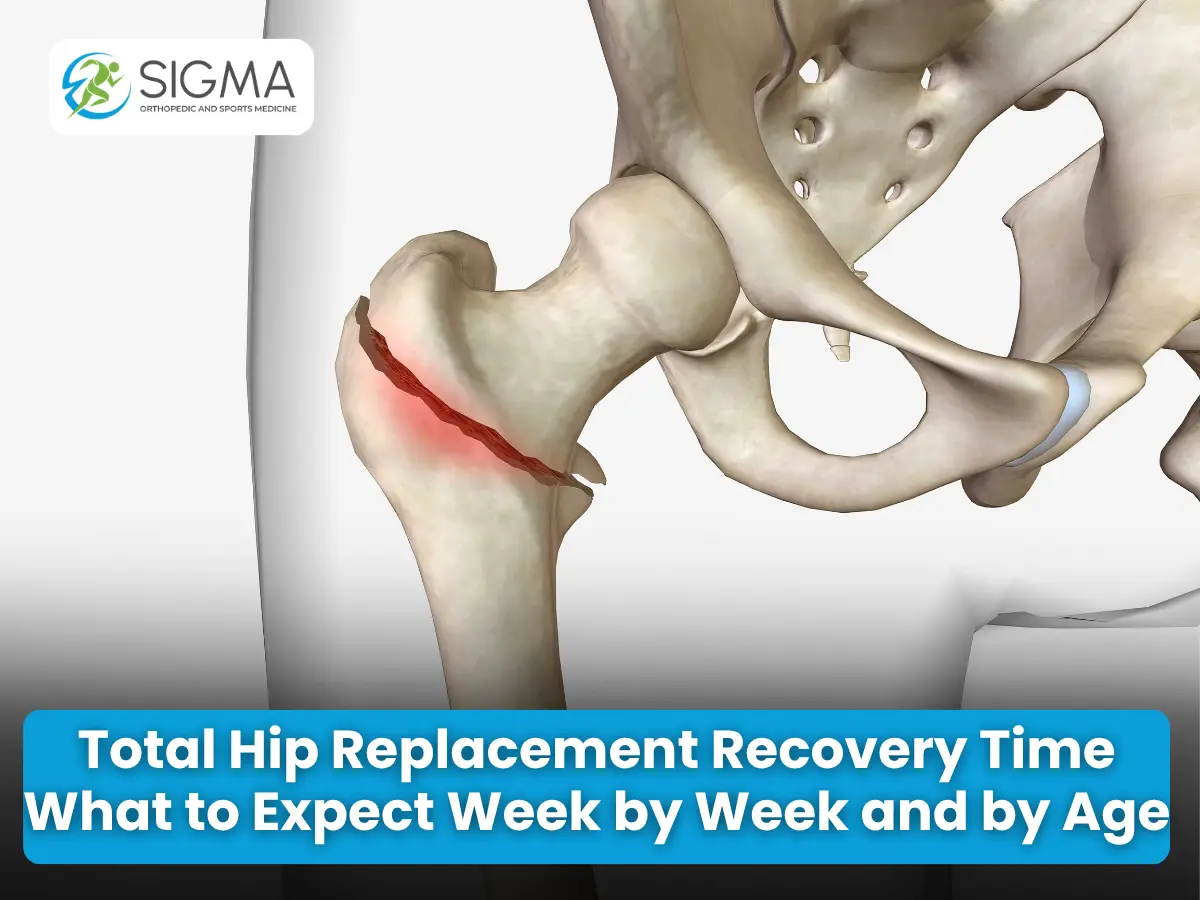
Your kneecap, or patella, is supposed to glide smoothly along a groove in your thigh bone. But sometimes, it drifts. Slightly off. Enough to cause pain, clicking, or instability.
This usually happens because of:
- Weak quadriceps, especially the inner thigh muscle
- Tight hip flexors or IT band
- Poor movement mechanics
- Previous injury or overuse
According to the National Institute of Arthritis and Musculoskeletal and Skin Diseases, muscle imbalance is one of the leading contributors to knee tracking issues. When one side pulls harder than the other, the patella follows the wrong path.
That’s where patellar tracking exercises come in. They don’t just treat pain, they correct the root cause.
Improving Knee Tracking with Exercise
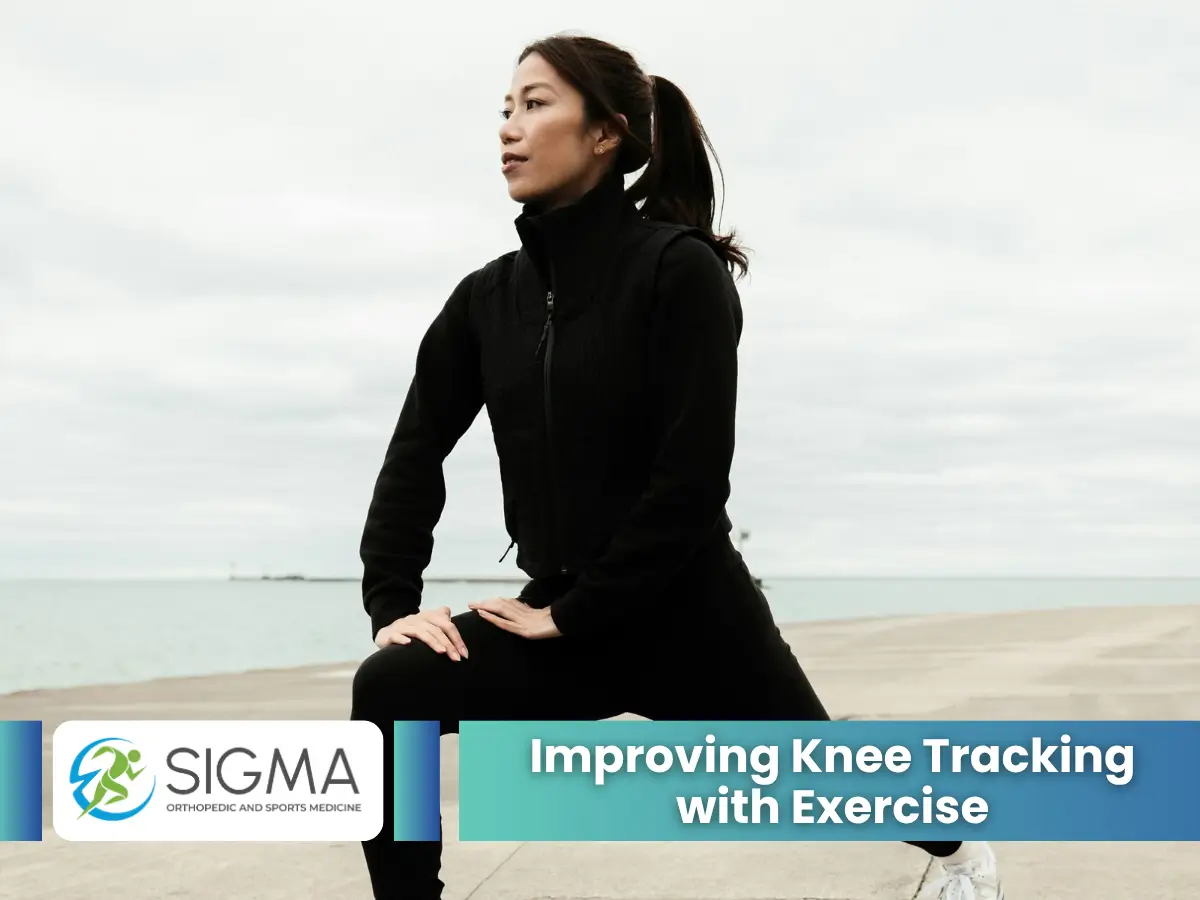
Here’s the thing most people get wrong: they chase pain relief instead of fixing movement.
Painkillers fade. Ice helps temporarily. But movement retraining? That rewires how your knee behaves. Studies published in the Journal of Orthopaedic & Sports Physical Therapy show that targeted strengthening significantly improves patellar alignment and reduces long-term pain.
These exercises to fix patellar tracking disorder focus on:
- Muscle balance
- Joint alignment
- Controlled movement patterns
Think of it less like “working out” and more like teaching your knee how to move again.
5 Exercises to Fix Patellar Tracking Disorder That Work
1. Straight Leg Raises for Early Activation
Simple doesn’t mean easy. This exercise activates the quadriceps without stressing the knee joint.
How to do it:
- Lie flat on your back
- Keep one leg bent, the other straight
- Lift the straight leg slowly to the height of the bent knee
- Hold for 3–5 seconds, then lower
Why it works:
- Strengthens the quad without joint compression
- Improves control, especially for beginners
This is one of the most effective patella tracking exercises to start rebuilding strength safely.
2. Clamshells to Fix Kneecap Misalignment Issues
Your knee doesn’t work alone. Weak hips often pull the kneecap out of alignment.
How to do it:
- Lie on your side with knees bent
- Keep your feet together and lift the top knee
- Don’t rotate your hips backward
- Repeat slowly
Benefits:
- Targets hip stabilizers
- Reduces inward knee collapse
- Supports proper alignment
If you’re trying to fix kneecap misalignment issues, this one quietly does a lot of heavy lifting.
3. Step-Downs for Controlled Knee Tracking
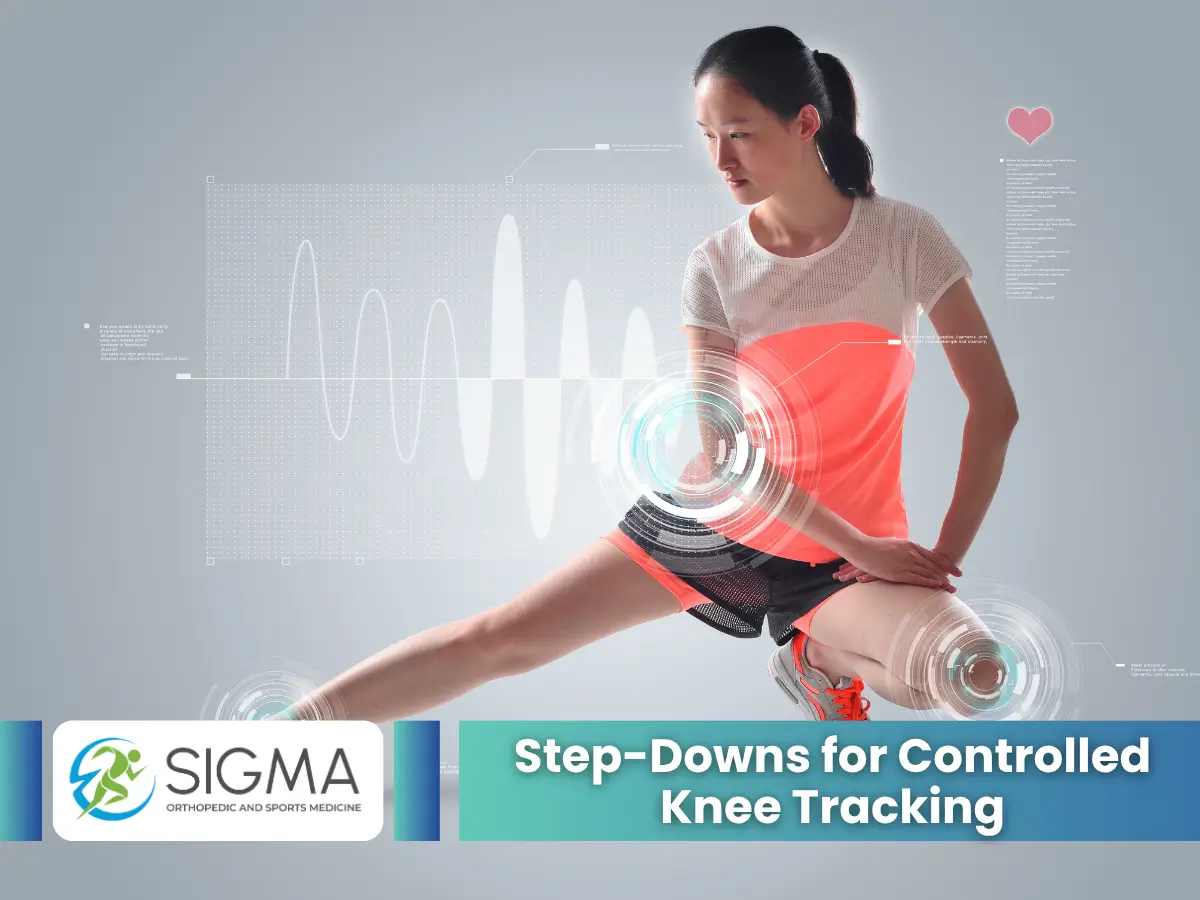
This exercise teaches your knee how to behave under pressure.
How to do it:
- Stand on a step
- Slowly lower one foot toward the ground
- Keep your knee aligned with your toes
- Return to the starting position
Focus points:
- Avoid letting the knee cave inward
- Move slowly and with control
These are powerful knee tracking exercises because they mimic real-life movement like walking downstairs.
4. Wall Sits for Kneecap Stability
Static holds build endurance and control in the muscles supporting your knee.
How to do it:
- Stand against a wall
- Slide down into a seated position
- Keep knees aligned over ankles
- Hold for 20–30 seconds
Why it matters:
- Builds quad strength evenly
- Improves joint stability
- Reinforces proper positioning
Among all kneecap stability exercises, this one builds the foundation for long-term support.
5. Resistance Band Knee Extensions
This is where precision meets resistance. It targets the exact muscle needed for proper tracking.
How to do it:
- Attach a resistance band behind your knee
- Slightly bend the knee, then straighten against resistance
- Control both directions
Results:
- Activates the VMO (inner quad muscle)
- Improves alignment during movement
This is one of the most targeted exercises to improve patellar tracking and is often overlooked.
Safe Knee Tracking Improvement
Jumping into exercises without guidance can backfire. The goal isn’t just movement, it’s correct movement.
Follow these principles:
- Start slow and focus on form
- Avoid pain beyond mild discomfort
- Stay consistent rather than intense
- Combine strength with flexibility
The American Academy of Orthopaedic Surgeons emphasizes structured rehab over random workouts for better outcomes.
Learning how to improve knee tracking is less about doing more and more and more about doing it right.
Exercises for Better Knee Alignment
There’s no magic here. Just biomechanics done right. These patellar tracking disorder exercises:
- Restore muscle balance
- Improve joint alignment
- Reduce abnormal stress on the knee
Over time, your knee starts to move the way it was designed to. Smooth. Stable. Predictable.
And that predictability? That’s what reduces pain.
Why Choose SIGMA Orthopedics

Not all recovery paths are equal. Some rely on guesswork. Others follow a system.
SIGMA Orthopedics takes a different approach:
- Precision diagnosis to identify the real issue
- Structured treatment plans tailored to your condition
- Measured outcomes to track progress
- Team-based care ensures no detail is missed
Patients aren’t left wondering if it’s working. They see progress, step by step. That clarity makes all the difference when dealing with patellar instability exercises and recovery.
Conclusion
Knee pain has a way of creeping into your life quietly. One skipped workout. One hesitant step. Then suddenly, you’re avoiding things you used to enjoy.
But it doesn’t have to stay that way. These 5 exercises to fix patellar tracking disorder give you a clear, structured way to take control again. Not just to reduce pain, but to restore how your knee moves, feels, and performs.
Small, consistent actions lead to real change. And sometimes, the difference between pain and progress is just the right movement done the right way.
If your knee still feels off despite trying exercises, it may be time for a structured, expert-led plan.
Call 833-SIGMA MD or visit Sigma Orthopedics to request an appointment and get a personalized recovery pathway designed for lasting results.
Frequently Asked Questions
What causes patellar tracking disorder?
It’s usually caused by muscle imbalances, poor movement patterns, or previous injuries that affect how the kneecap moves within its groove.
How long does it take to fix patellar tracking disorder?
With regular exercises for patellar tracking disorder, many people see improvement in 4–8 weeks, though full recovery depends on severity.
Can I do these exercises daily?
Yes, most patella tracking exercises can be done daily, as long as they are performed with proper form and without excessive pain.
Do I need surgery for patellar tracking disorder?
Most cases improve with non-surgical care, including patellar instability exercises and structured rehabilitation programs. Surgery is only needed in severe cases.
How do I know if my knee tracking is improving?
Reduced pain, better control during movement, and improved alignment during activities are strong signs that your exercises to fix patellar tracking disorder are working.