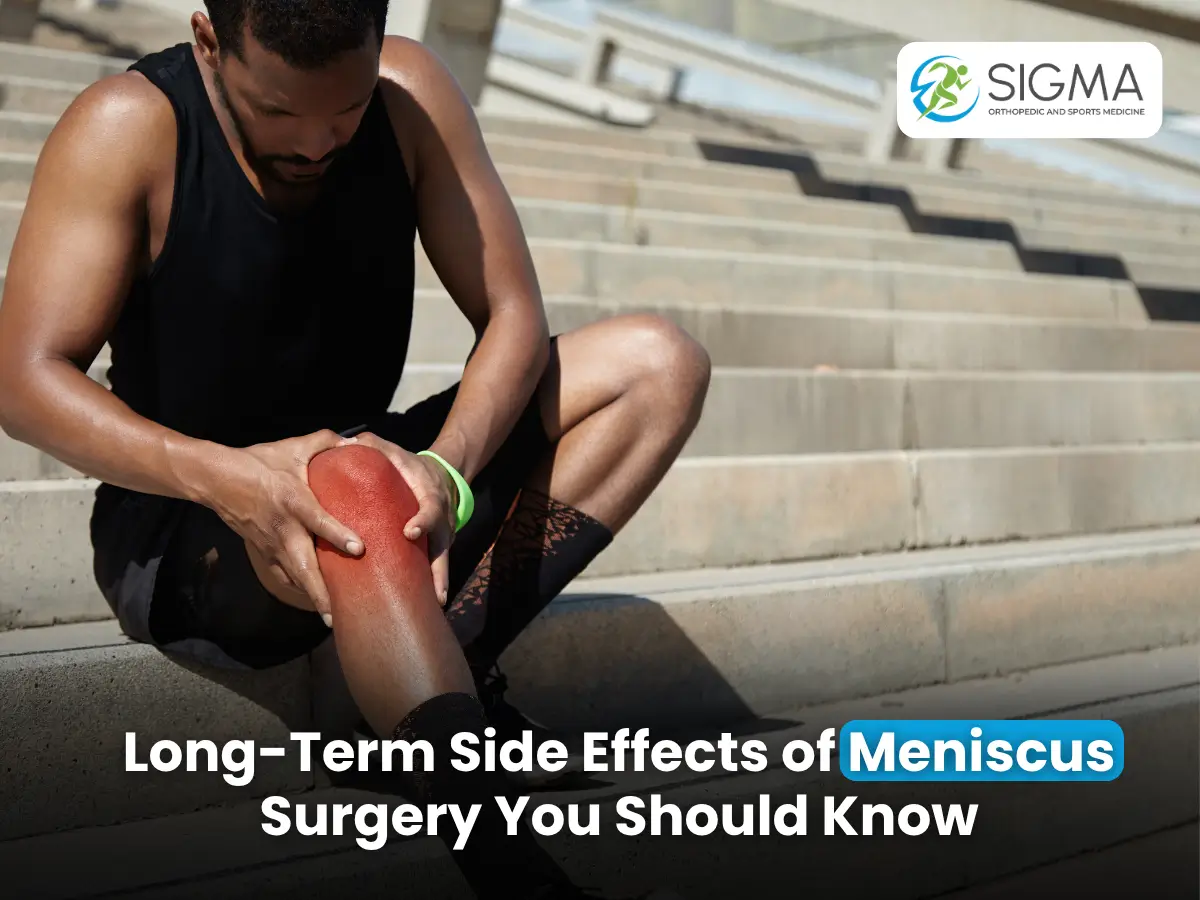
Meniscus surgery is often seen as a fast track to relief from knee pain, but the story doesn’t always end there. Many patients notice subtle changes months or years after their procedure, some expected, some surprising. Understanding the long-term side effects of meniscus surgery is key to making informed decisions and maintaining knee health well into the future.
Knee joints are intricate, balancing bones, ligaments, cartilage, and tendons in a delicate dance. When one piece, like the meniscus, is altered, it can ripple through the entire joint. Knowing what to expect can help you navigate recovery with confidence, reduce risks, and maintain mobility for years to come.
What Happens to Your Knee After Meniscus Surgery
The meniscus is a critical shock absorber, and removing or repairing it can change how your knee handles stress. The meniscus removal long term effects vary depending on the amount removed, patient age, and activity level. Some common outcomes include:
- Gradual joint wear leading to arthritis
- Reduced stability during twisting or pivoting motions
- Mild swelling or stiffness during activity
- Altered gait patterns affecting hips or lower back
According to the National Institute of Arthritis and Musculoskeletal and Skin Diseases (NIAMS), understanding these potential effects is crucial for long-term joint health.
Pain Behind the Knee After Meniscus Surgery
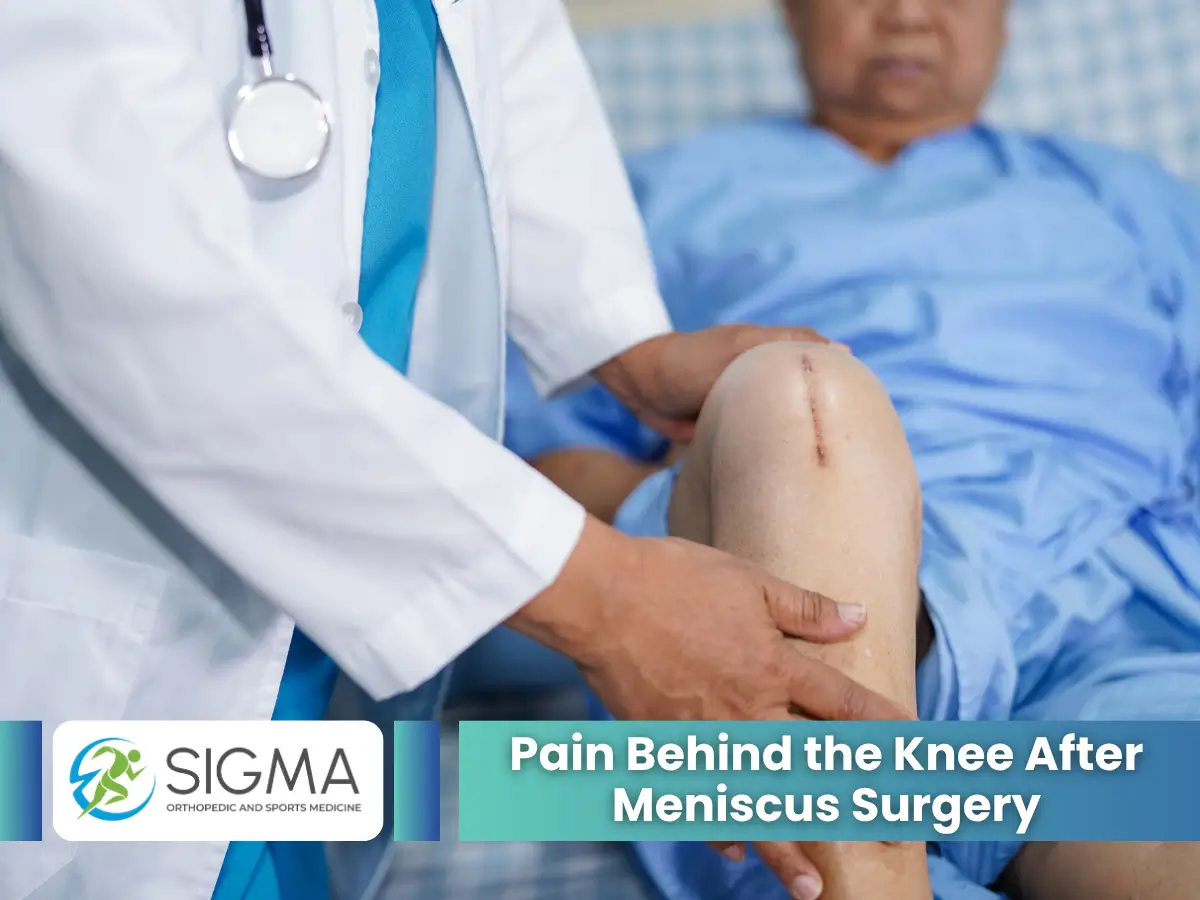
A frequent concern is lingering discomfort, often described as pain behind the knee after meniscus surgery. This pain can arise from:
- Scar tissue formation
- Inflammation of the surrounding ligaments or tendons
- Altered biomechanics post-surgery
Most cases are manageable with:
- Physical therapy focusing on flexibility and strengthening
- Low-impact exercises such as cycling or swimming
- Anti-inflammatory medications, as advised by your doctor
Persistent pain should never be ignored, as it may indicate additional knee issues or meniscus repair complications.
Sharp Pain in Knee After Meniscus Surgery: Causes and Management
Some patients experience sudden, stabbing sensations months after surgery. Sharp pain in the knee after meniscus surgery can be triggered by:
- Overuse during high-impact activities
- Improper rehabilitation techniques
- Unnoticed cartilage damage
Management strategies include:
- Targeted knee rehabilitation exercises supervised by a physical therapist
- Activity modification to prevent re-injury
- Imaging studies, such as MRI, to rule out additional tears
For more guidance, the Mayo Clinic on Meniscus Tears provides detailed, patient-friendly insights.
ACL and Meniscus Surgery Recovery Timeline
Many patients undergo combined ACL and meniscus surgery. Knowing the ACL and meniscus surgery recovery timeline can prevent frustration and avoid overexertion:
- Weeks 0–2: Focus on reducing swelling and regaining a gentle range of motion
- Weeks 3–6: Gradual weight-bearing and light strengthening exercises
- Weeks 6–12: More intensive rehab and low-impact cardio
- 3–6 months: Full functional recovery for daily activities
- 6–12 months: Return to sports or high-impact activities under supervision
Recovery is highly individualized. Close collaboration with your orthopedic specialist ensures a safe, structured return to mobility.
Meniscus Removal Long-Term Effects
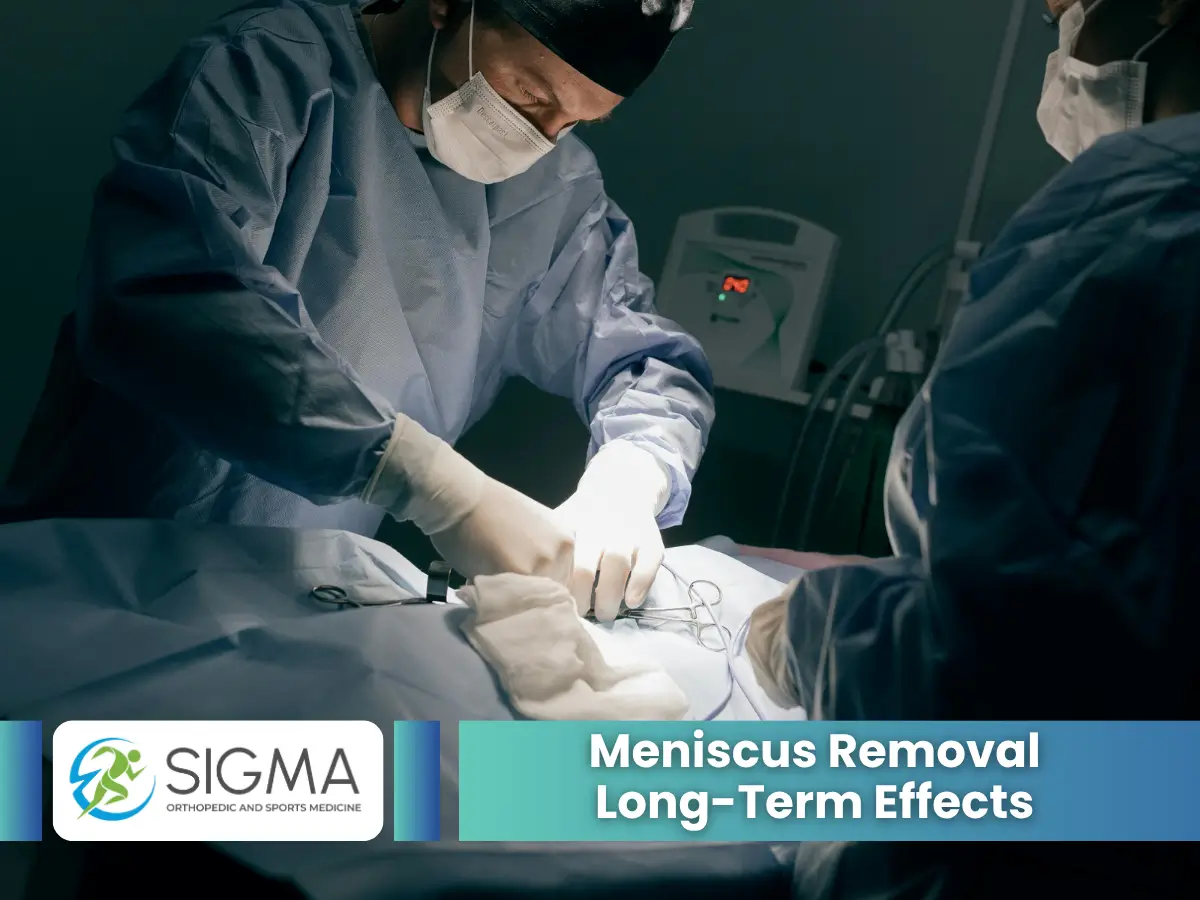
Partial or total meniscus removal may relieve immediate pain, but can lead to:
- Increased stress on articular cartilage
- Early-onset osteoarthritis
- Knee instability or reduced shock absorption
- Potential hip or ankle discomfort due to gait changes
Patients often report that combining surgery with consistent knee rehabilitation exercises improves long-term outcomes. For older adults, maintaining low-impact exercise routines and joint-friendly habits is essential.
Knee Still Hurts After Meniscus Surgery: What to Do
If your knee still hurts after meniscus surgery, it’s not unusual but warrants careful evaluation. Common causes include:
- Incomplete healing or secondary cartilage injuries
- Post-surgical inflammation
- Overuse during recovery
Steps to manage persistent pain:
- Reassess physical therapy progress
- Incorporate balance and strength training
- Consult your orthopedic surgeon for imaging or advanced interventions
The CDC’s Arthritis Resources provide tips for managing chronic joint discomfort and promoting healthy recovery.
Hip Pain After Meniscus Surgery

Sometimes, knee surgery affects other joints, resulting in hip pain after meniscus surgery. Why does this happen?
- Altered gait to compensate for knee discomfort
- Muscle imbalances due to reduced knee mobility
- Weak core or gluteal muscles
Addressing hip pain involves:
- Targeted stretching and strengthening of the hip and thigh muscles
- Maintaining proper walking and exercise form
- Consulting a physical therapist to adjust rehab exercises
Real-World Example: Recovery Journey After Meniscus Surgery
Meet Janet, a 56-year-old avid hiker who underwent partial meniscus removal. Her journey highlights common experiences and how structured care can make a difference:
- Initial Challenges: She experienced pain behind her knee after meniscus surgery and mild hip discomfort due to altered gait.
- Structured Recovery: Followed a personalized ACL and meniscus surgery recovery timeline, including:
- Low-impact cardio like cycling and swimming
- Targeted knee rehabilitation exercises for strength and flexibility
- Gradual progression back to weight-bearing activities
- Monitoring Progress: Weekly check-ins with her orthopedic team tracked improvements and addressed lingering stiffness.
- Outcome: Within six months, she regained stability, reduced sharp pain in her knee after meniscus surgery, and returned to hiking confidently.
Janet’s example shows that combining surgical care, guided therapy, and milestone tracking can minimize the long-term side effects of meniscus surgery, helping patients maintain mobility and joint health over time.
Why Choose SIGMA Orthopedics
SIGMA Orthopedics combines expertise, precision, and personalized care to optimize long-term outcomes. Their approach reduces uncertainty and improves recovery timelines:
- Board-certified orthopedic surgeons with advanced training
- Structured treatment roadmaps from diagnosis through recovery
- Multi-specialty team collaboration to address complex knee injuries
- Integration of surgical, non-surgical, and regenerative therapies
- Measured outcome tracking to ensure predictable results
Patients don’t just get surgery; they gain clarity, confidence, and guidance every step of the way.
Conclusion
Understanding the long-term side effects of meniscus surgery helps you make informed decisions and protect your knee health. From pain behind the knee after meniscus surgery to hip discomfort, a structured, evidence-based approach ensures recovery is predictable and safe. Combined with proper rehab and ongoing monitoring, patients can maintain mobility, strength, and quality of life.
Choose SIGMA Orthopedics for a patient-centered, data-driven, and collaborative approach to meniscus care. Call 833-SIGMA MD or Request an Appointment today to start your journey toward pain-free movement.
Frequently Asked Questions
What are the most common long-term side effects of meniscus surgery?
They include osteoarthritis, knee instability, persistent pain, and altered gait patterns that may affect hips or ankles.
Can the pain behind the knee after meniscus surgery be resolved?
Yes, with targeted physical therapy, low-impact exercise, and activity adjustments, most patients see gradual improvement.
How long does ACL and meniscus surgery recovery take?
Recovery can range from 6 to 12 months, with progressive rehab milestones tailored to individual needs.
Will meniscus removal lead to arthritis?
Partial or total removal increases the risk of cartilage wear over time, but proper rehab and joint protection reduce progression.
Why does hip pain occur after meniscus surgery?
Altered gait, muscle imbalances, and compensation for knee weakness can cause secondary hip discomfort, which responds to targeted therapy.