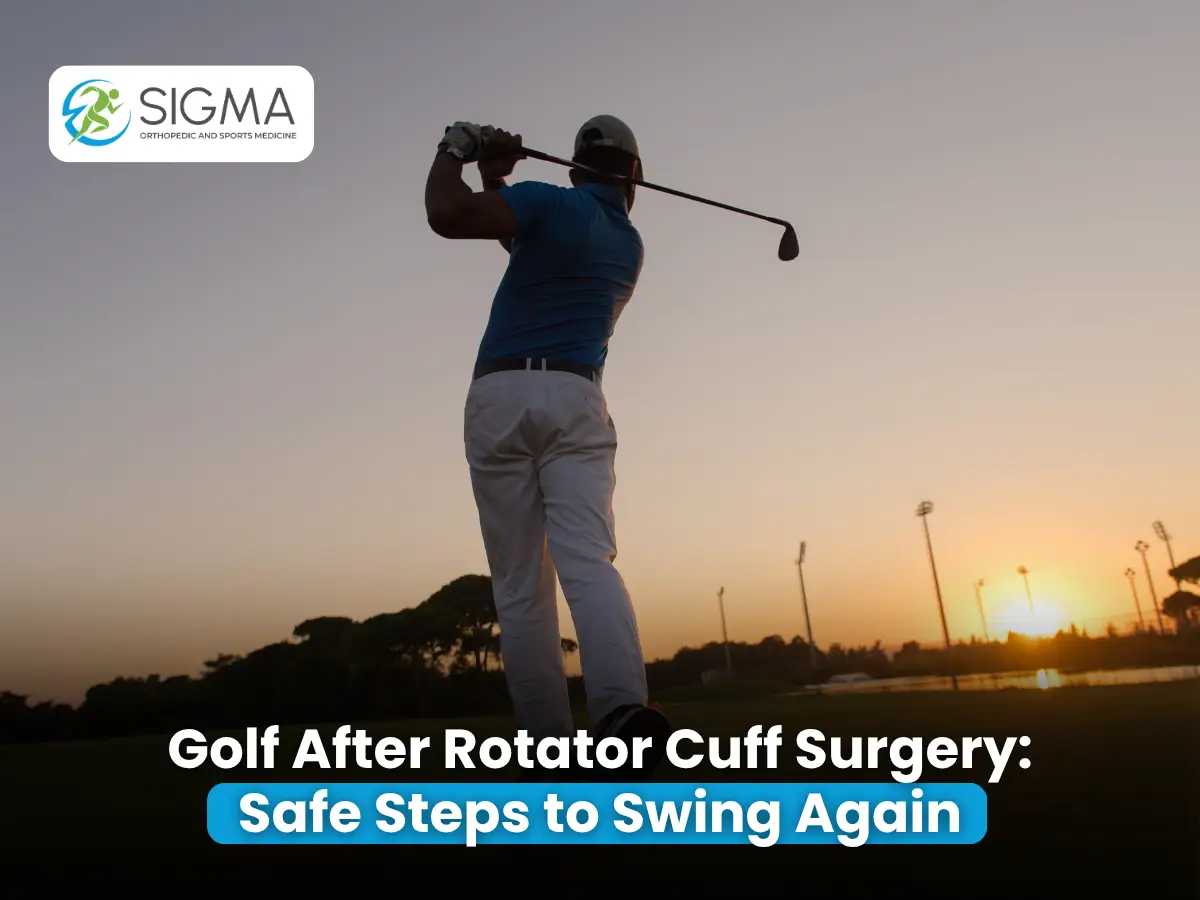
Returning to the golf course after rotator cuff surgery can feel like reclaiming a piece of your freedom. That first swing can stir excitement and anxiety in equal measure. The shoulder, a marvel of mobility, relies on a delicate balance of muscles, tendons, and ligaments, making recovery both precise and personal. Understanding the timeline, safe exercises, and realistic expectations is essential to enjoy golfing again without setbacks.
Understanding Your Shoulder: Why Rotator Cuff Health Matters
The rotator cuff consists of four tendons and muscles that stabilize your shoulder while allowing complex movements. A tear or surgical repair alters mechanics temporarily, which can impact your golf swing. Symptoms of a compromised rotator cuff include:
- Pain during overhead motion or swinging
- Weakness in lifting objects or swinging a club
- Clicking, popping, or shoulder instability
According to the National Institute of Arthritis and Musculoskeletal and Skin Diseases (NIAMS), proper post-surgery rehabilitation is crucial to restore strength and prevent future injuries.
According to the Mayo Clinic – Rotator Cuff Surgery, proper post-surgery rehabilitation is crucial to restore strength and prevent future injuries. Understanding golf after rotator cuff surgery begins with recognizing that the shoulder is resilient but requires measured recovery. Understanding golf after rotator cuff surgery begins with recognizing that the shoulder is resilient but requires measured recovery.
When Can You Play Golf After Rotator Cuff Surgery?
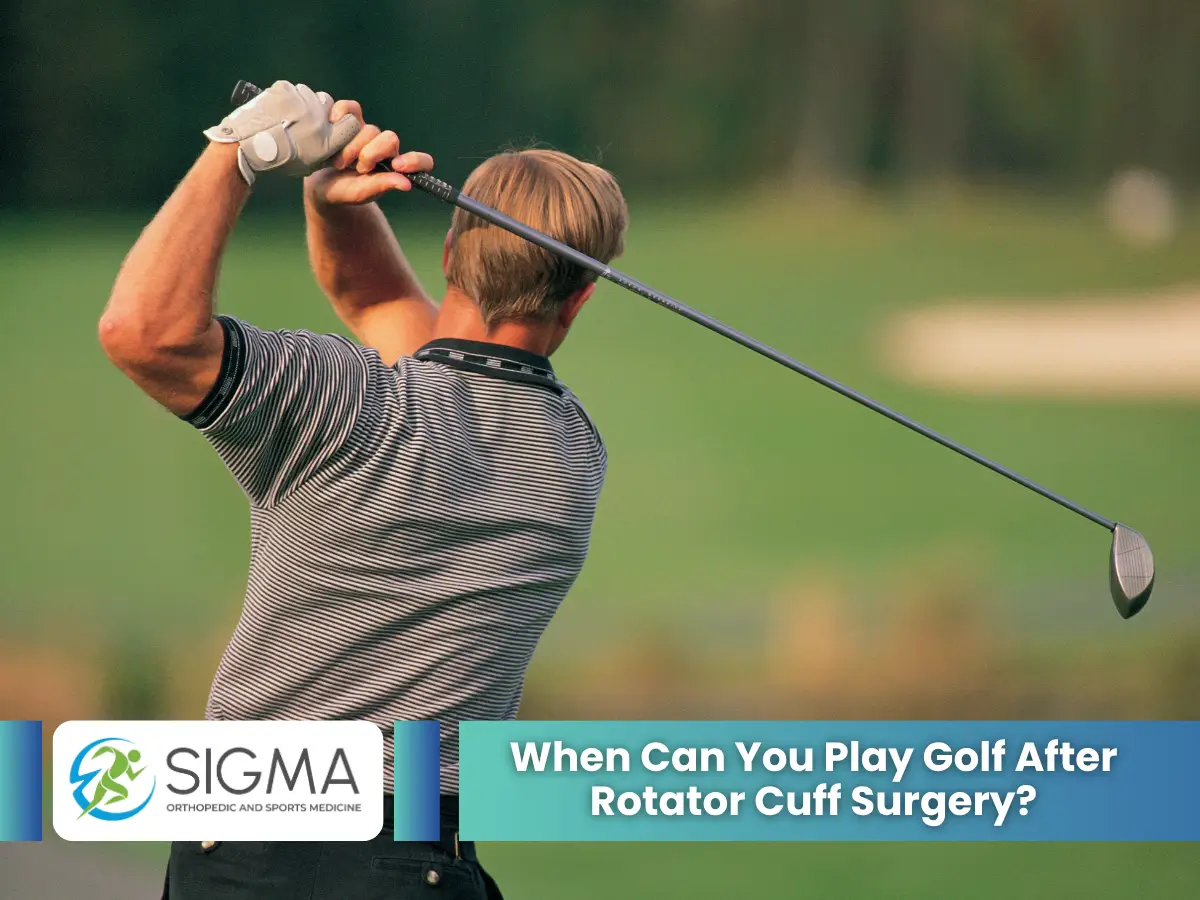
One of the most common questions is: How long after rotator cuff surgery can I golf? Recovery depends on the severity of the tear, surgical technique, and your adherence to rehabilitation. Typical milestones include:
- Weeks 0-6: Sling immobilization, passive motion exercises
- Weeks 6-12: Gradual active motion and light strengthening
- Weeks 12-16: Advanced strengthening and controlled swinging drills
Most patients safely resume golfing after rotator cuff surgery around 3-4 months post-operation, but this can vary. For minor repairs or partial tears, some may return slightly earlier, while complex repairs may require longer. The CDC recommends following structured physical therapy programs and gradual activity resumption for optimal joint health.
Can You Play Golf Three Months After Rotator Cuff Surgery?
While excitement to return is natural, experts caution against rushing. At three months, many patients are cleared for gentle swings without full power. Key points to consider:
- Focus on short irons rather than drivers
- Limit rounds to nine holes initially
- Warm up thoroughly with mobility and rotator cuff exercises
- Avoid sudden or aggressive motions that stress the repair
By respecting these guidelines, golf after shoulder surgery becomes safer and more sustainable, reducing the risk of re-injury.
Gradual Progression: Steps to Regain Your Swing
The secret to successful return is structured progression. Here’s a practical roadmap for how long after rotator cuff surgery can I play golf safely:
- Range of Motion Drills: Begin with pendulum swings and assisted shoulder rotations.
- Strength Training: Incorporate resistance bands to strengthen the rotator cuff and scapular stabilizers.
- Short Swings: Start with half swings, focusing on technique rather than distance.
- Full Swing Reintroduction: Gradually increase swing power and range over several weeks.
- Monitoring: Track pain, swelling, and fatigue. Any setbacks require temporary scaling back.
This progression ensures your return to golf is aligned with measurable outcomes and reduces anxiety about setbacks.
Tips for Golfing After Rotator Cuff Surgery
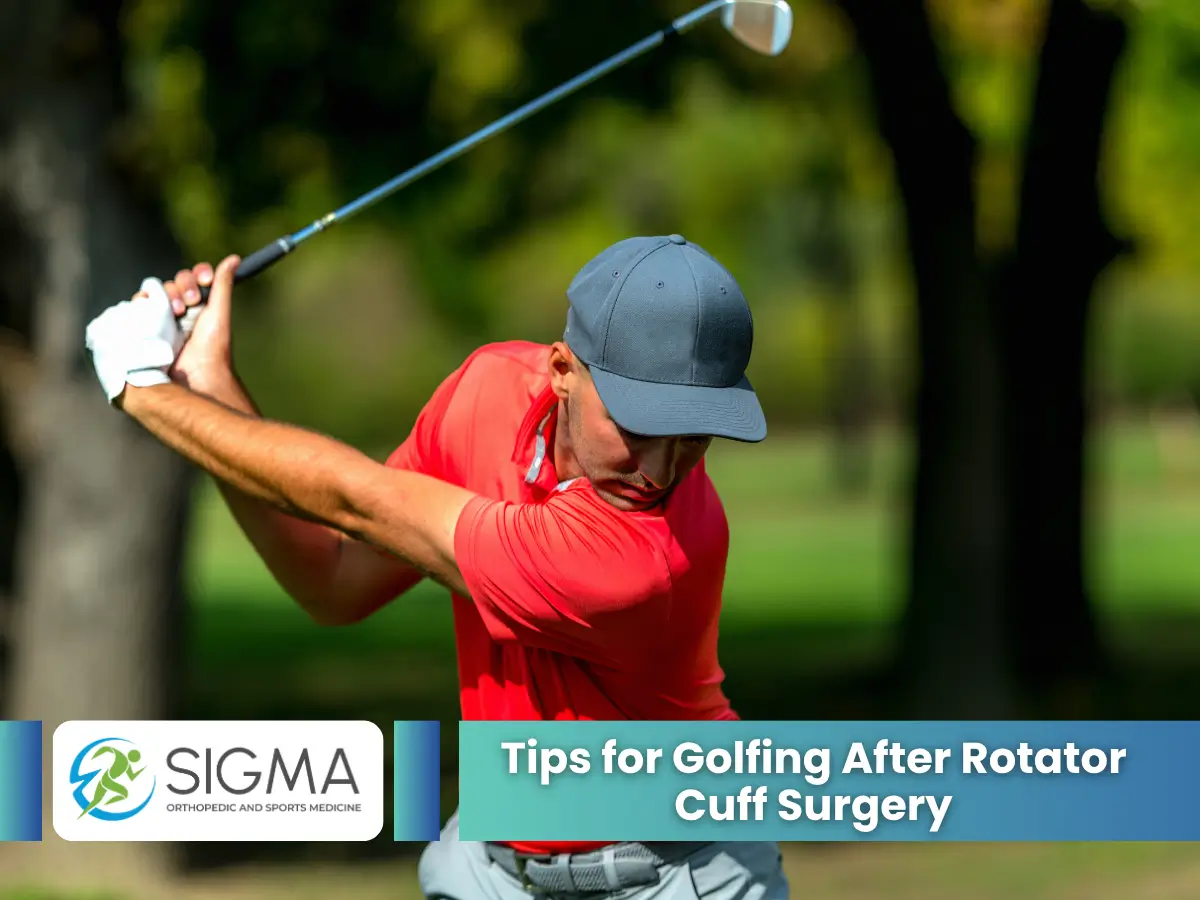
Even after your surgeon clears you for the course, consider these practical tips:
- Warm-Up Properly: Spend 10-15 minutes on mobility drills and light swings.
- Modify Equipment: Use lighter clubs or ergonomic grips to reduce stress.
- Limit Practice Rounds: Start with short sessions and avoid overexertion.
- Listen to Your Body: Pain is a warning sign. Minor soreness is normal, but sharp pain is not.
- Continue Home Exercises: Shoulder rehabilitation exercises remain critical even after clearance.
Following these strategies improves long-term outcomes and supports can you golf with a torn rotator cuff scenario when partial tears exist.
Common Challenges and How to Overcome Them
Returning to golf may trigger frustration, particularly with restricted range or fatigue. Common challenges include:
- Reduced Distance: Shoulder strength and endurance may be temporarily limited.
- Swing Mechanics Altered: Compensation can lead to elbow or wrist strain.
- Psychological Barriers: Fear of re-injury can reduce confidence.
Solutions include:
- Working with a golf-specific physical therapist
- Using biofeedback to refine swing mechanics
- Gradual exposure to course conditions
- Celebrating small milestones, like completing a half round pain-free
These steps align perfectly with Sigma Orthopedics’ philosophy: measured, data-driven, and outcome-focused care.
Why Choose Sigma Orthopedics for Post-Surgery Golf Recovery
Sigma Orthopedics stands out for patients eager to return to athletic pursuits, like golf, after shoulder surgery. Key differentiators:
- Board-Certified Specialists: Surgeons with Harvard and international training.
- Structured Treatment Roadmaps: From diagnosis to golf-specific rehabilitation.
- Measured Outcomes: Recovery tracked at every milestone.
- Multidisciplinary Approach: Integrates surgical, regenerative, and non-surgical care.
- Collaborative Care Team: Coordinated care for safe and confident return to activity.
With this approach, patients experience clarity, reduced anxiety, and predictable recovery timelines, maximizing their ability to enjoy golf after rotator cuff surgery safely.
Conclusion
Golfing doesn’t have to be off-limits after rotator cuff surgery. With structured rehabilitation, gradual progression, and careful attention to technique, returning to the course is achievable. From gentle range-of-motion exercises to full swings, your recovery can be measured, safe, and empowering. Sigma Orthopedics provides the expertise, tracking, and team-based care to make your return to golf both predictable and enjoyable.
Call 833-SIGMA MD or Request an Appointment today to start your personalized golf recovery plan.
Frequently Asked Questions
How long after rotator cuff surgery can I play golf?
Most patients can safely start gentle swings around 12 weeks, but full play may take 4-6 months depending on tear severity and therapy compliance.
Can you golf with a torn rotator cuff?
Partial tears may allow controlled swings under guidance, but full tears usually require repair for safe long-term play.
What exercises help with golfing after rotator cuff surgery?
Pendulum swings, resistance band rotations, scapular stabilization drills, and short controlled swings are foundational.
Is it safe to swing a driver soon after surgery?
No, starting with short irons or half swings reduces stress on the shoulder and prevents re-injury.
How do I know if I’m ready to return to golf after shoulder surgery?
Consult your surgeon and physical therapist. Key indicators include full pain-free range of motion, adequate strength, and controlled swing mechanics.