SIGMA SynerG™ Shoulder Injections in Bayonne, NJ: Regenerative Care Beyond Standard PRP
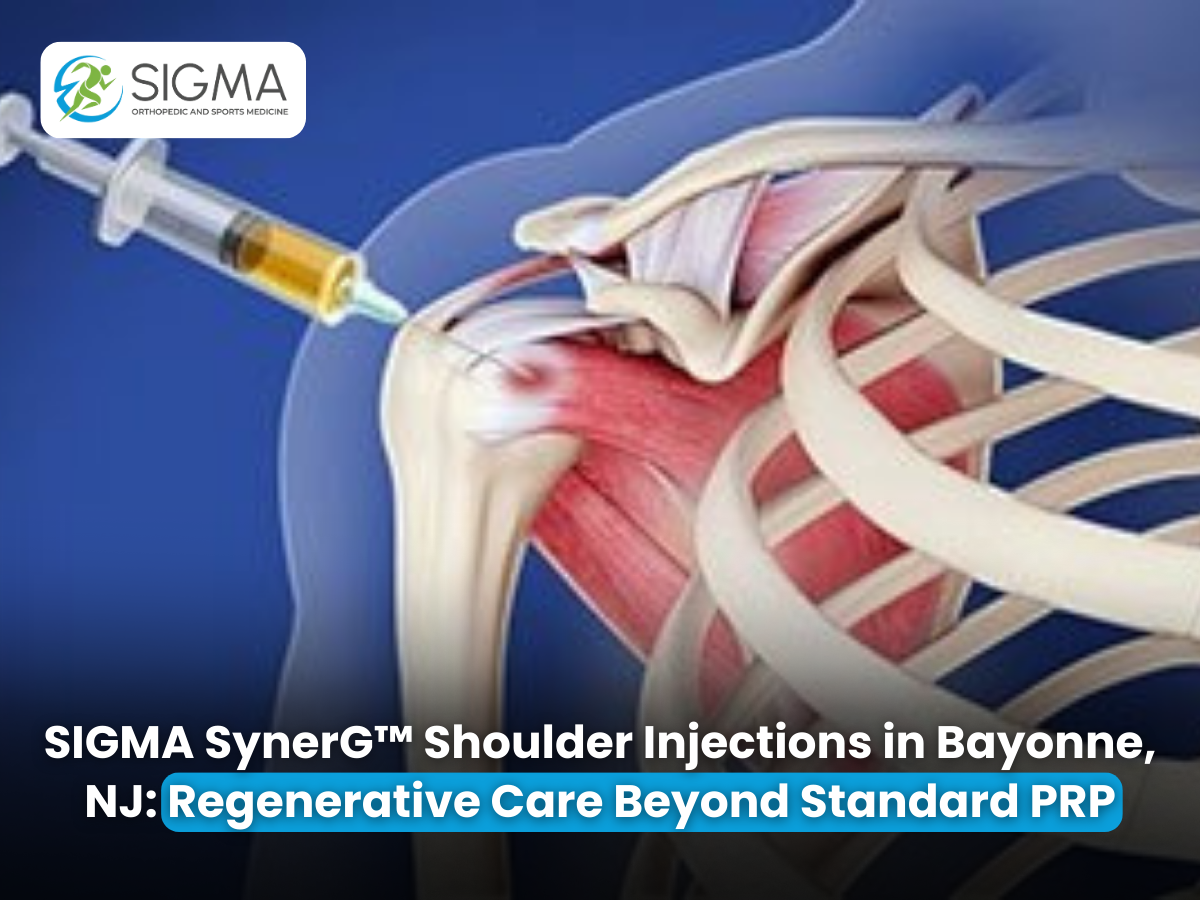
If your shoulder flares up every time you lift, throw, train, or reach overhead, you’re not dealing with a minor annoyance; you’re dealing with a problem that keeps interrupting your life. That’s why many patients search specifically for platelet-rich plasma shoulder treatment in Bayonne. They’re not just looking for temporary symptom relief; they want care that supports real tissue healing and long-term function.
PRP can be a powerful tool when the diagnosis is right, the injection is precise, and the recovery plan is structured. At SIGMA Orthopedics & Sports Medicine, PRP is never treated as a standalone product. It is delivered as part of a complete orthopedic regenerative strategy, guided by expert diagnostics and followed by a defined recovery pathway.
Educational content only. PRP candidacy must be determined through an in-person evaluation.
Why Patients Who’ve “Heard About PRP” Still Need Expert Guidance
Many patients arrive already knowing about PRP, from friends, athletes, social media, or clinics advertising it as a quick fix. What’s often missing is an explanation of why PRP works in some shoulders and fails in others.
The difference usually comes down to:
- Accurate diagnosis (what structure is actually driving symptoms)
- Injection precision (where PRP is delivered and why)
- Biologic quality and processing
- What happens after the injection
PRP done without expert evaluation is often just a shot. PRP done through an orthopedic, diagnosis-driven system is a treatment plan.
What PRP Is Actually Designed to Do
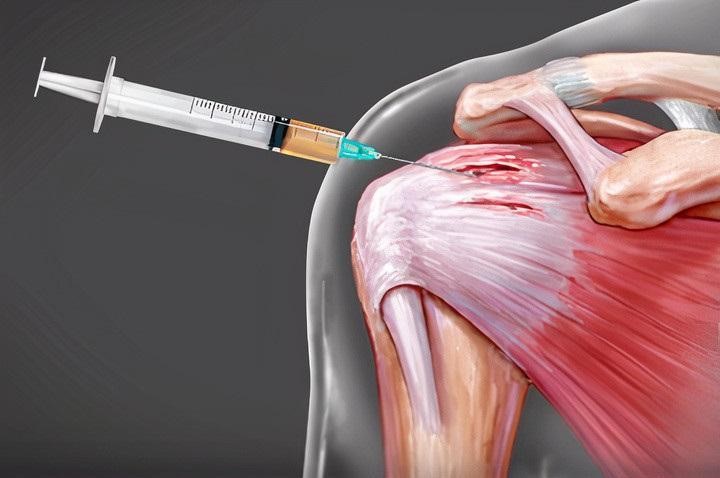
Platelet-rich plasma therapy uses a concentrated portion of your own blood that is rich in platelets, cells involved in signaling and tissue response. PRP is often referred to as a regenerative injection because it is intended to support the healing environment within irritated or overloaded tissue.
PRP is not designed for instant numbing or overnight relief. Its purpose is to:
- Support tendon and soft tissue recovery
- Reduce inflammatory reactivity
- Improve tissue tolerance to load over time
This is why PRP works best when paired with a progressive rehabilitation plan, not rest alone.
The Shoulder Problems PRP Helps Most
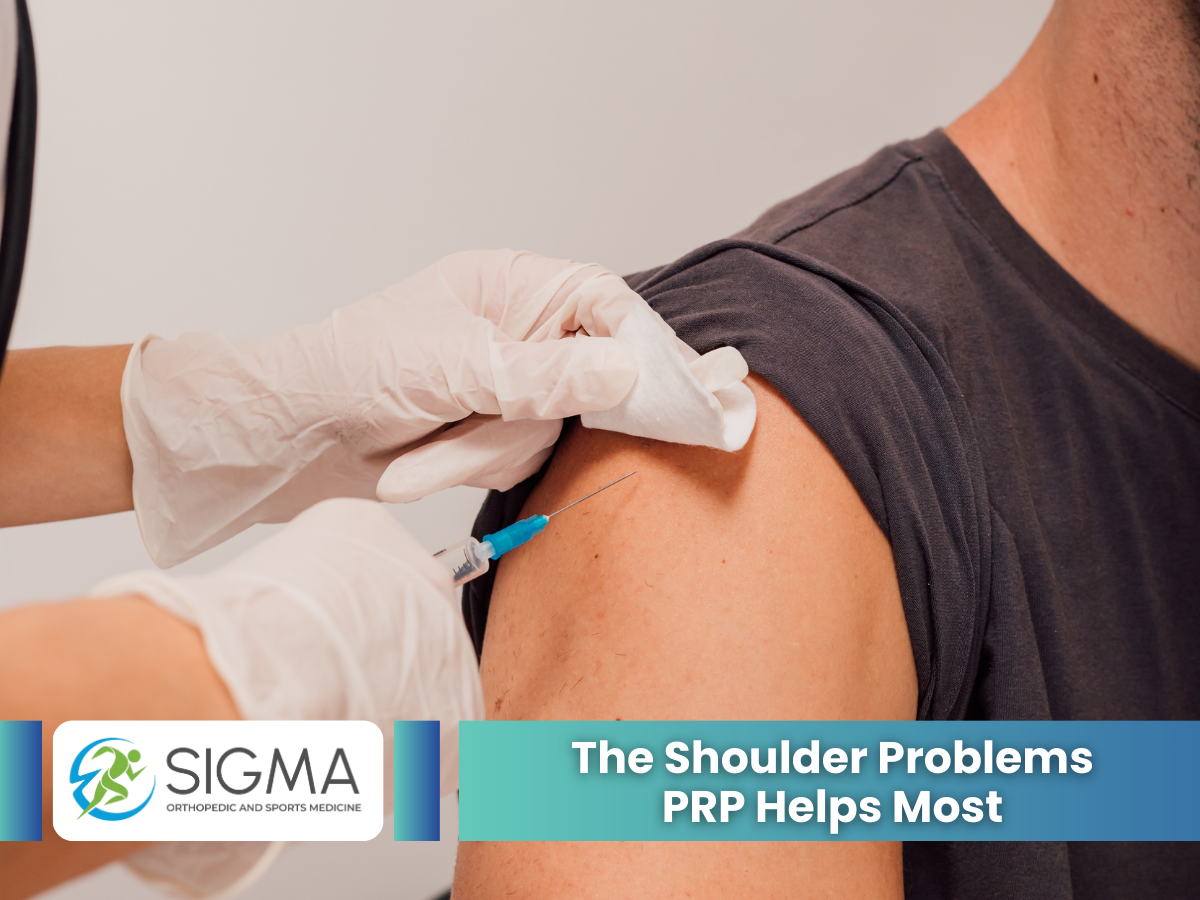
PRP shoulder treatment is most often considered for persistent, activity-related pain, especially when symptoms return as soon as training or work intensity increases.
PRP may be appropriate when the goal is to:
- Reduce repeated flare-ups instead of chasing short-lived relief
- Support biologic tendon healing while rebuilding strength
- Improve tolerance to lifting, throwing, or overhead motion
- Delay or avoid surgery when structurally appropriate
PRP is not a substitute for diagnosis. Injecting without clarity about the pain generator leads to inconsistent outcomes, regardless of where it’s performed.
How SIGMA’s SynerG™ Orthobiologic Lab Is Different
At SIGMA, PRP is delivered through the SynerG Orthobiologic Lab, an orthopedic-led regenerative medicine platform designed for precision, consistency, and integration with rehabilitation.
Unlike standard PRP offerings commonly found in med spas or chiropractic settings, SynerG™ care is defined by:
- Orthopedic surgeon evaluation before injection
- Advanced imaging integration (MRI, ultrasound) to confirm diagnosis
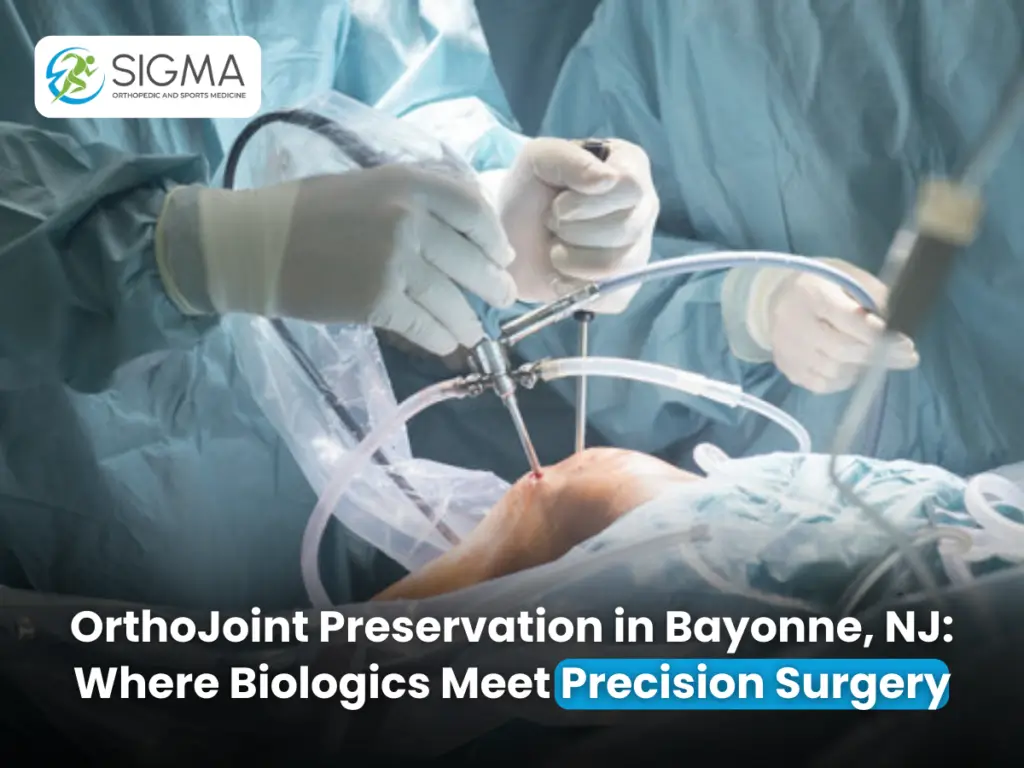
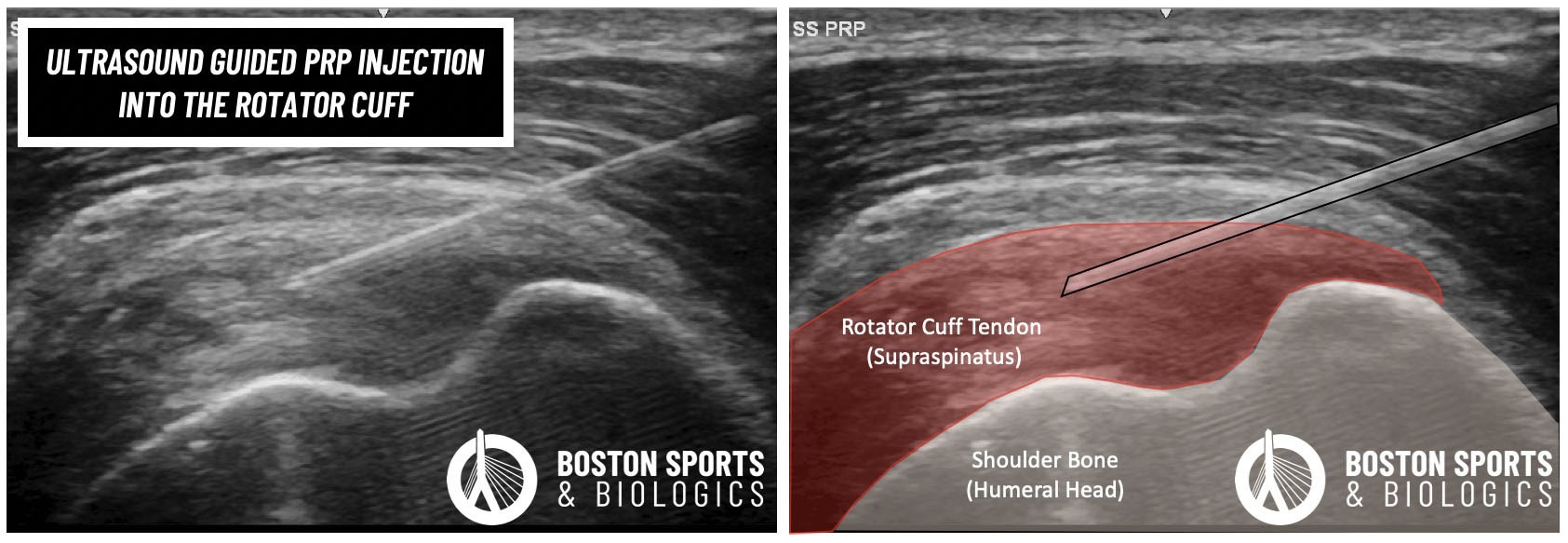
- Ultrasound-guided injection accuracy
- Diagnosis-specific PRP selection and placement
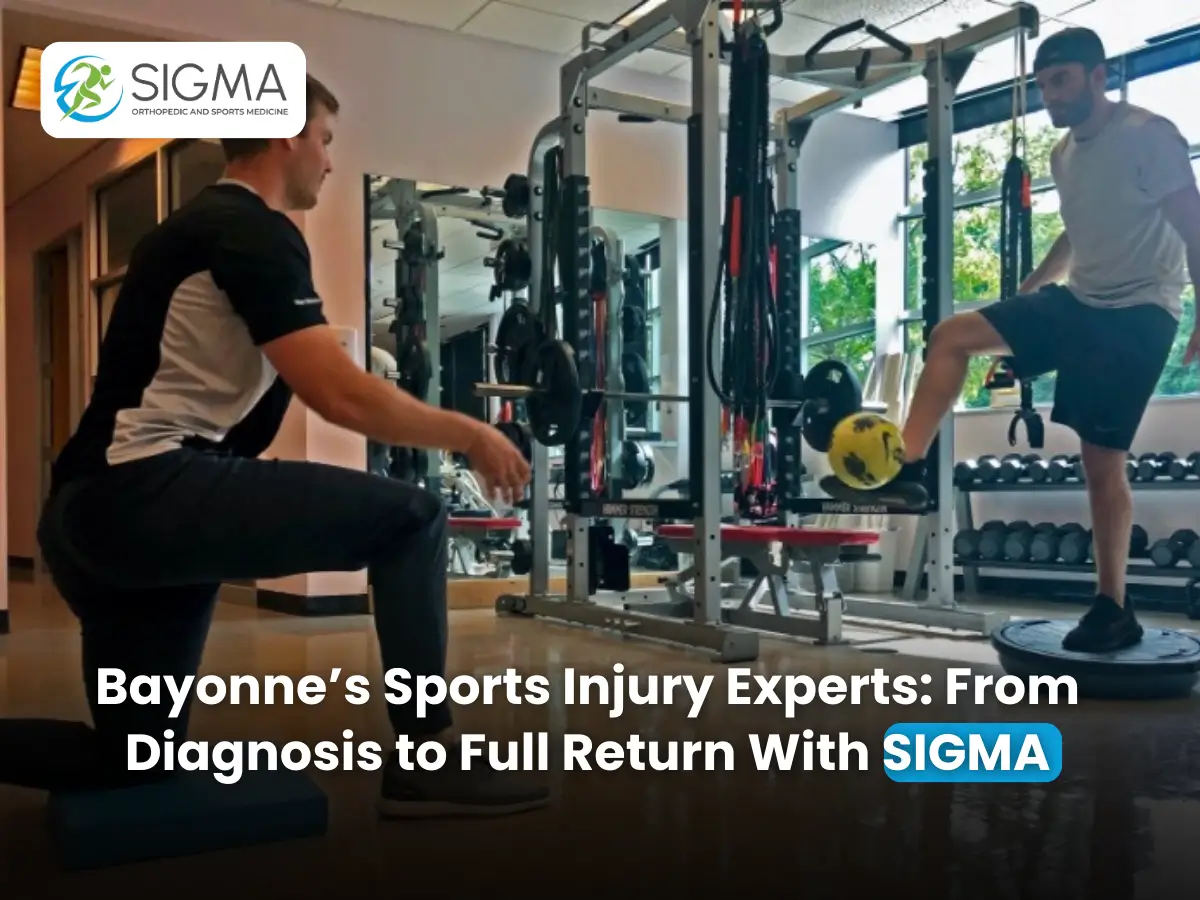
- Integration with structured rehab and return-to-function planning
PRP is not treated as a commodity; it’s treated as part of a biologic strategy.
Beyond PRP: SIGMA’s Full Regenerative Medicine Menu for the Shoulder
PRP is just one option. Depending on diagnosis, tissue quality, and goals, SIGMA’s regenerative menu may include:
- Platelet-rich plasma (PRP)
- Combination biologic strategies under the SynerG™ protocol
- Biologic augmentation of rehabilitation programs
- Biologic support around minimally invasive procedures when appropriate
Your provider determines what fits your shoulder, not what’s being marketed.
What Happens on PRP Injection Day
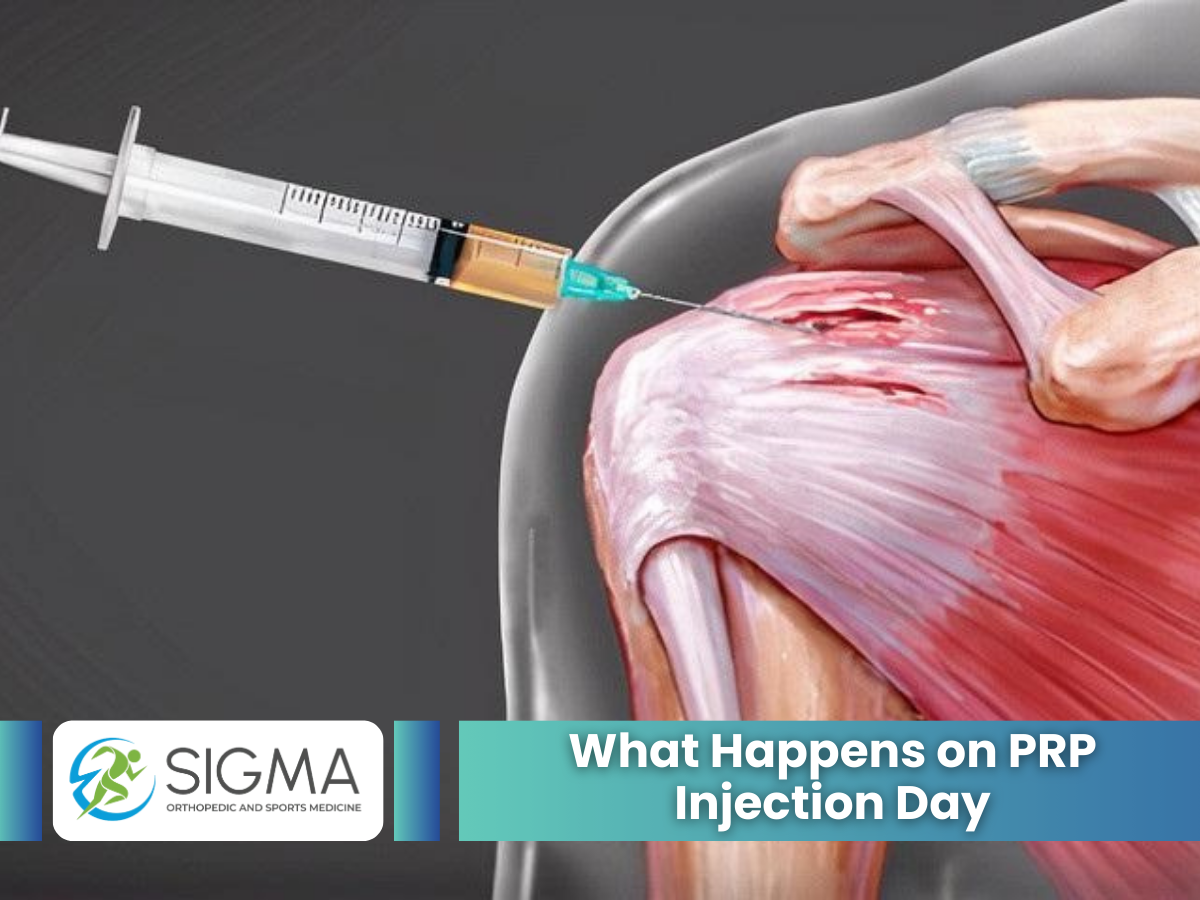
The PRP process is typically straightforward:
- Blood is drawn and processed to concentrate platelets
- The target shoulder structure is confirmed using an exam and imaging
- PRP is injected with ultrasound guidance for accuracy
- You leave with clear recovery and activity instructions
The most important part of the visit is often what comes next. PRP outcomes depend heavily on how the shoulder is managed in the weeks that follow.
PRP Recovery Expectations (Without the Hype)
PRP should be approached like a training adaptation, not a painkiller.
What many patients experience:
- Early soreness or heaviness in the shoulder
- Fluctuating symptoms over the first few weeks
- Gradual improvement in activity tolerance
- Fewer flare-ups and faster recovery after use
Success is measured by patterns, not perfect days.
Tendon Healing PRP + the 100 Days to Success™ Program
Tendons don’t heal through biology alone; they heal through progressive loading.
At SIGMA, PRP recovery is commonly guided through the 100 Days to Success™ program, a structured framework that:
- Defines recovery phases clearly
- Aligns rehab progression with tissue biology
- Tracks function, not just pain
- Reduces reinjury risk during return to activity
PRP supports the environment. The 100 Days to Success™ program changes the outcome.
Inflammation Reduction & the “Predictable Shoulder” Goal

Many patients define success not as “zero pain,” but as a shoulder that stops punishing them the next day.
PRP aims to:
- Reduce post-activity inflammation spikes
- Improve recovery between training sessions
- Create a calmer, more predictable joint
That predictability allows strength, confidence, and performance to return.
How to Track PRP Progress Correctly
Track function, not just pain:
- Sleep quality
- Reach and lift tolerance
- Training volume before flare-ups
- 24–48 hour recovery after activity
PRP progress should be guided and reassessed, not guessed.
Frequently Asked Questions
How is orthopedic PRP different from PRP at a med spa or chiropractor?
Orthopedic PRP is diagnosis-driven, image-guided, and integrated into a full treatment plan. Non-medical settings often lack advanced diagnostics, precision targeting, and structured recovery integration.
Will PRP work without rehab?
Outcomes are consistently stronger when PRP is paired with structured rehabilitation.
How long before I notice improvement?
Most patients notice gradual improvement over weeks, not days.
Is PRP a non-surgical shoulder treatment for everyone?
No. Structural instability or significant tears may require other options.
Ready to Explore Orthopedic PRP the Right Way?
If shoulder pain keeps returning and you want more than a generic injection, platelet-rich plasma shoulder treatment in Bayonne deserves a focused, expert evaluation.
At SIGMA, PRP is delivered through the SynerG™ Orthobiologic Lab, guided by orthopedic expertise, advanced imaging, and supported by the 100 Days to Success™ program, so your shoulder doesn’t just feel better, it becomes more capable.
Schedule your PRP consultation with SIGMA Orthopedics & Sports Medicine and take the next step toward structured, regenerative recovery, done right.