

Back pain has a strange way of sneaking into life. One day, it’s a dull ache after a long drive. The next is a sharp reminder every time you bend, sit, or even breathe deeply. Most people wait it out. Stretch a little. Pop a painkiller. Hope it fades.
But sometimes, your spine isn’t asking politely anymore. It’s signaling something deeper. And knowing when to see an orthopedic spine surgeon can be the difference between temporary discomfort and long-term damage.
When Back Pain Stops Being “Normal”
Not all back pain is serious. Muscles strain, discs get irritated, and the body usually heals itself. But there’s a tipping point when pain shifts from inconvenience to warning sign.
Here’s where things get real. If your pain lasts longer than a few weeks despite rest and medication, it’s no longer “just a strain.” It’s time to think beyond home remedies and consider evaluation by an orthopedic spine surgeon.
According to the National Institute of Neurological Disorders and Stroke, persistent back pain may indicate structural issues like disc herniation or nerve compression.
Nerve Symptoms You Should Never Ignore
Pain is one thing. Nerve involvement is another level entirely. When nerves are affected, your body starts behaving differently.
Watch for these signs:
- Tingling or numbness in arms or legs
- Burning or electric-like pain
- Weakness in muscles
- Pain radiating down the leg or arm
This isn’t just discomfort. It’s your nervous system under pressure. Conditions like sciatica or spinal stenosis often require specialized care from an orthopedic spine surgeon to prevent permanent nerve damage.
Loss of Mobility and Daily Function
There’s a subtle shift people often overlook. You stop doing things without realizing it.
You avoid stairs. You sit more carefully. You hesitate before lifting groceries.
When pain begins to limit your daily activities, it’s no longer just physical. It’s functional. And that’s a strong indicator that you may need the best spinal surgeon to evaluate the root cause and restore movement.
When Conservative Treatments Stop Working
Most spine conditions start with non-surgical care. Physical therapy, medications, and lifestyle changes often do the trick. But what if they don’t?
If you’ve tried:
- Physical therapy for several weeks
- Anti-inflammatory medications
- Activity modification
…and the pain still lingers or worsens, it’s time to escalate care.
This doesn’t automatically mean surgery. It means you need clarity. A structured evaluation from an orthopedic surgeon helps determine what’s actually going on instead of guessing.
Sudden or Severe Back Pain After Injury

Accidents change the game instantly. A fall, car crash, or sports injury can cause fractures, disc damage, or ligament tears.
If you experience:
- Sudden intense pain
- Difficulty standing or walking
- Pain after trauma
You shouldn’t wait. Immediate assessment by an orthopedic surgeon ensures proper diagnosis and prevents complications.
The Centers for Disease Control and Prevention (CDC) highlights that untreated injuries can lead to long-term disability if not managed early.
Changes in Bladder or Bowel Control
This is rare but critical. Loss of bladder or bowel control, combined with back pain, may indicate a condition called cauda equina syndrome.
It’s a medical emergency.
Symptoms include:
- Difficulty controlling urination
- Loss of bowel control
- Numbness in the inner thighs
If this happens, immediate care from a spine surgeon is essential. Waiting even hours can lead to permanent damage.
Chronic Pain That Disrupts Sleep
Sleep is where healing happens. But when back pain starts waking you up at night or prevents you from finding a comfortable position, something deeper is often at play.
Chronic night pain can signal:
- Advanced disc degeneration
- Inflammatory conditions
- Structural instability
At this stage, evaluation by one of the best back surgeons becomes important to understand the underlying issue and create a targeted plan.
Who Is the Best Doctor for Spine Surgery
This question comes up often, and the answer isn’t as simple as a name on a list. The top 10 spine surgeons in the United States may have impressive credentials, but the right surgeon is the one who:
- Provides a precise diagnosis
- Offers both surgical and non-surgical options
- Uses data-driven treatment planning
- Tracks measurable outcomes
In other words, the best care isn’t about popularity. It’s about precision, structure, and results.
Organizations like the American Academy of Orthopaedic Surgeons emphasize evidence-based care and individualized treatment planning as key to successful outcomes.
The Role of Early Diagnosis in Better Outcomes
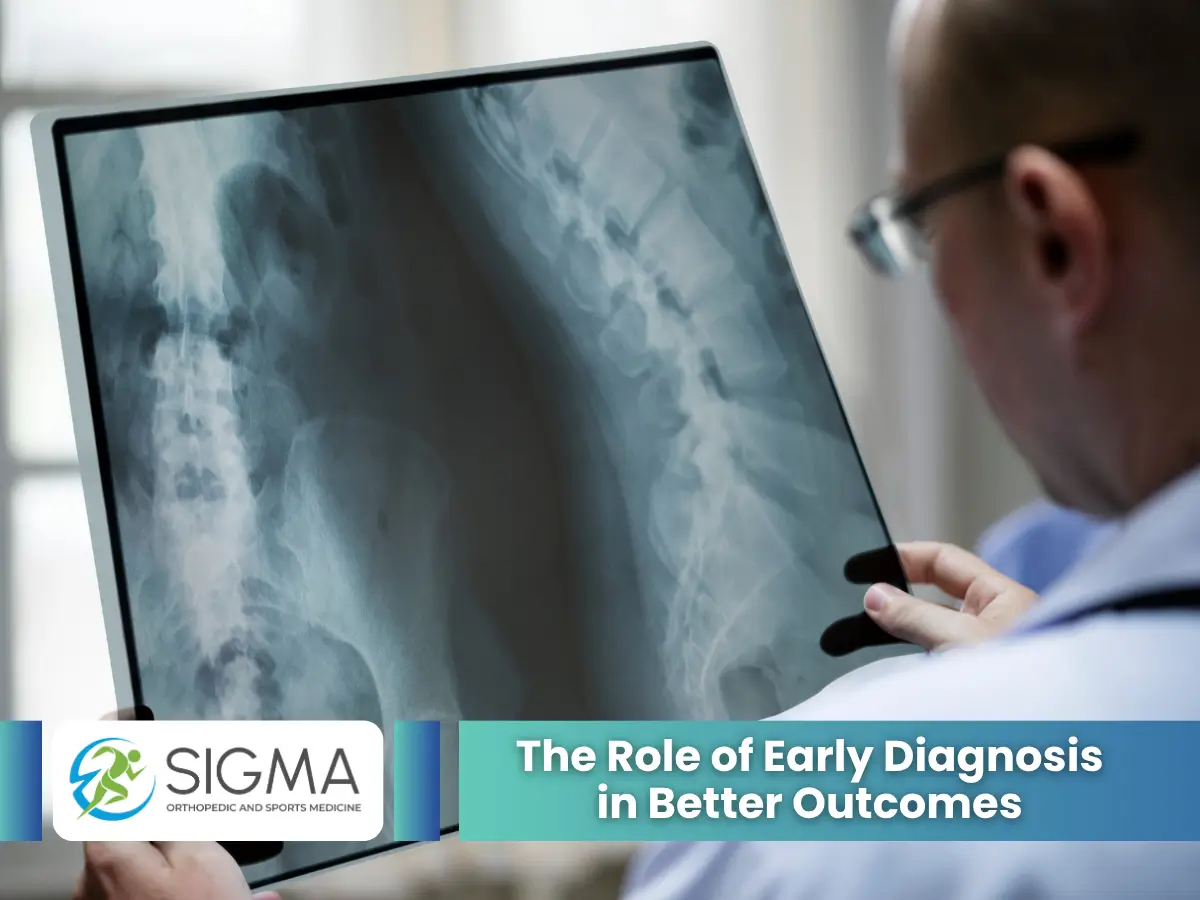
Here’s something most people don’t realize. Waiting doesn’t just prolong pain. It can complicate treatment.
A minor disc issue today can become nerve damage tomorrow. A manageable condition can evolve into one that requires surgery.
Early evaluation by an orthopedic surgeon allows:
- Accurate identification of the problem
- Prevention of progression
- More treatment options
- Faster recovery timelines
It’s not about rushing into surgery. It’s about making informed decisions early.
Things to Expect During Your Evaluation
Walking into a specialist’s office can feel intimidating. But the process is more structured than most expect.
Typically, it includes:
- Detailed medical history review
- Physical examination
- Imaging studies like MRI or X-rays
- Discussion of symptoms and goals
The goal isn’t just to diagnose. It’s to understand how your condition affects your life and what path will restore function.
Why Choose SIGMA Orthopedics

SIGMA Orthopedics approaches spine care differently. It’s not just about treating pain. It’s about defining outcomes.
Their system combines:
- Precision diagnosis to identify the exact problem
- Structured treatment pathways tailored to each patient
- Measurable outcomes tracking for accountability
- Collaboration between specialists for complete care
Patients aren’t left guessing. They know what’s happening, what comes next, and what results to expect. That clarity changes everything.
Conclusion
Back pain doesn’t always shout. Sometimes it whispers, gradually reshaping how you move, sleep, and live. Ignoring it may feel easier in the moment, but the cost often shows up later.
Recognizing the signs early and consulting an orthopedic spine surgeon can prevent complications, restore mobility, and bring life back to normal. Whether it’s nerve symptoms, persistent pain, or reduced function, your body is giving signals. Listening to them is the first step toward recovery.
Take the Next Step Toward Relief. Call 833-SIGMA MD or request an appointment today to get a clear diagnosis and a structured plan tailored to your recovery.
Frequently Asked Questions
When should I see an orthopedic spine surgeon for back pain?
If your pain lasts more than a few weeks, worsens over time, or includes nerve symptoms like numbness or weakness, it’s time to seek specialist care.
Can I avoid surgery if I visit a spine specialist early?
Yes, early diagnosis often allows for non-surgical treatments such as therapy or injections, reducing the need for surgery.
How do I choose the best spinal surgeon?
Look for experience, board certification, a data-driven approach, and a focus on personalized care rather than just reputation.
Are all back problems treated with surgery?
No, many spine conditions are managed with non-surgical methods. Surgery is only recommended when necessary and beneficial.
What tests are done before spine surgery is recommended
Doctors typically use physical exams, MRI scans, X-rays, and sometimes nerve studies to understand the condition before suggesting treatment.