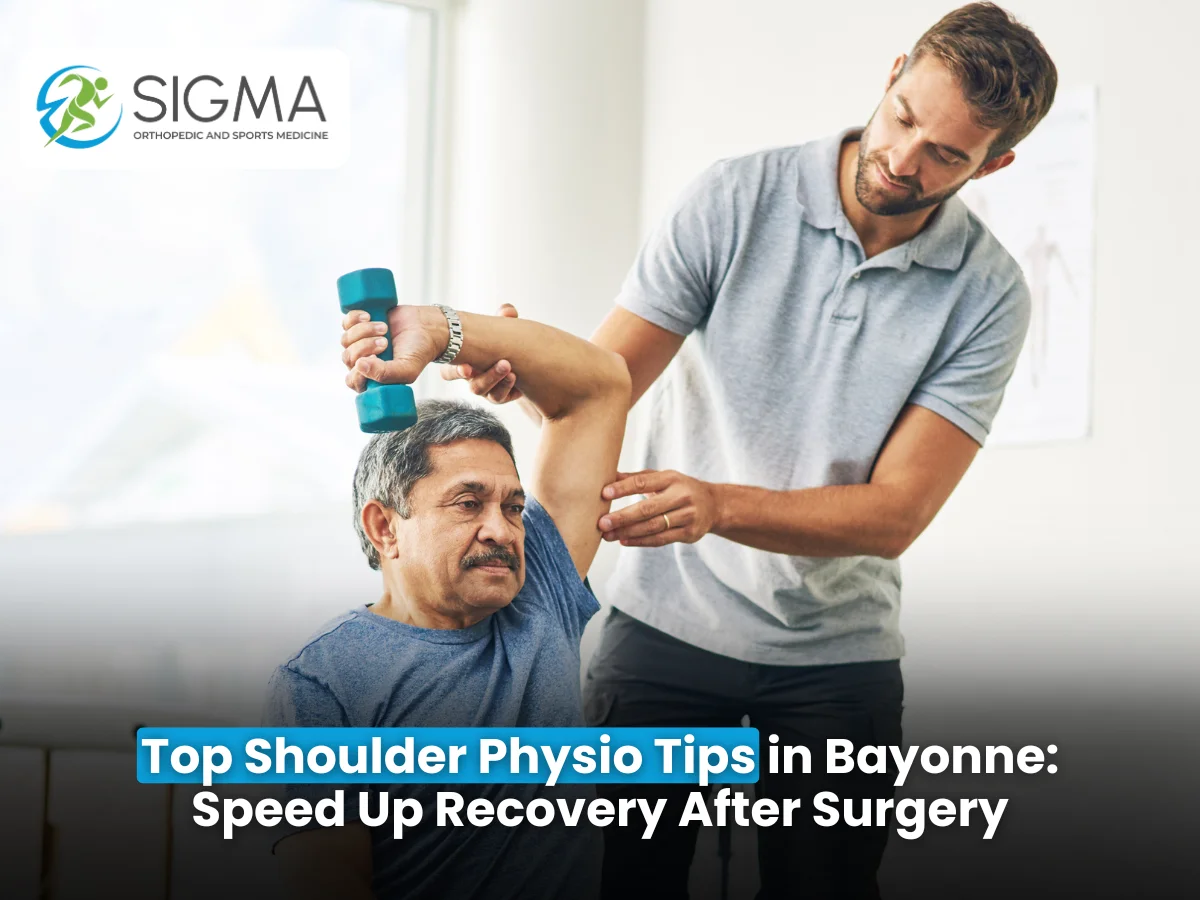
Recovering from shoulder surgery can feel like learning to use your arm all over again. Every reach, lift, or simple daily motion reminds you that healing is a journey, not a race. Yet, with the right shoulder physio Bayonne, that journey can be faster, smoother, and more empowering.
Shoulder rehabilitation isn’t just about moving the joint. It’s about regaining confidence, restoring strength, and preventing future injuries. At SIGMA Orthopedics, we focus on precision, measurable outcomes, and a patient-centered approach that turns frustration into progress.
Why Shoulder Physical Therapy Matters
Surgery can repair structural problems like rotator cuff tears, labral repairs, or shoulder instability, but fixing the tissue is only part of the journey. The shoulder is a complex joint that relies on muscles, tendons, and precise movement patterns to function smoothly. Without shoulder physical therapy, stiffness, weakness, and limited range of motion can linger for months, making everyday tasks like lifting, reaching, or even dressing challenging and frustrating.
A tailored shoulder rehabilitation program ensures that each phase of recovery is optimized, guiding the shoulder back to full functionality. Key elements include:
- Reducing pain and inflammation to support comfort during movement
- Improving mobility and range of motion to prevent stiffness
- Rotator cuff strengthening to restore stability and prevent reinjury
- Correcting compensatory movement patterns to ensure the joint moves efficiently
- Tracking measurable outcomes using tools like SIGMA Orthopedics’ PatientIQ, ensuring progress is monitored, and recovery is safe and predictable.
By combining expert-guided therapy with structured monitoring, patients not only regain motion but also rebuild confidence, ensuring a faster and more complete return to daily life or athletic activities.
Tip 1: Begin With Gentle Shoulder Movement
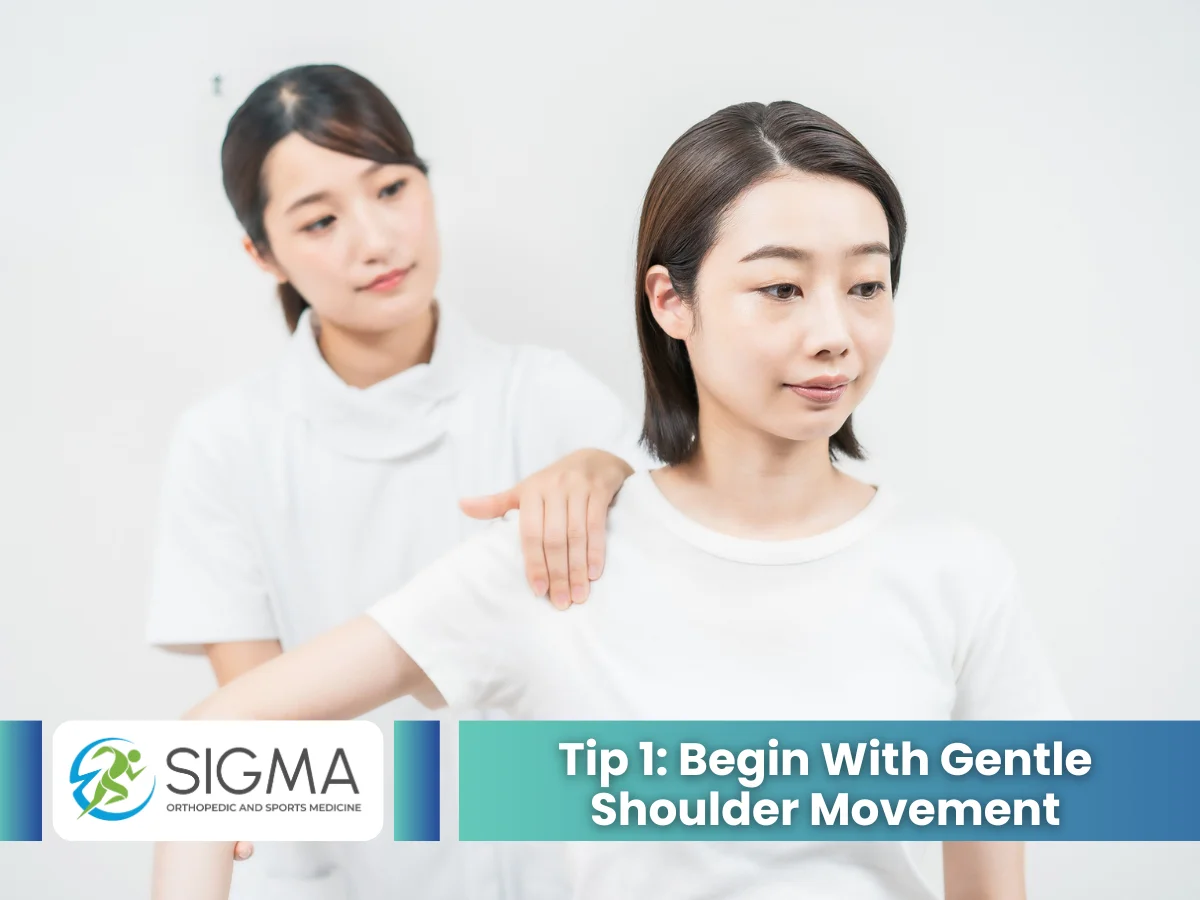
One of the most misunderstood concepts is that immobilization is always safe. While the first few days post-surgery may require protection, controlled passive motion is crucial to prevent stiffness.
- Use pendulum exercises: Lean forward and let your arm swing gently in small circles.
- Avoid lifting or resistance early on; the goal is circulation, not strength.
- Gentle movement improves synovial fluid circulation, reducing post-surgical adhesions.
Studies in the Journal of Shoulder and Elbow Surgery show that early mobilization, when guided by a professional, accelerates range of motion improvement without compromising surgical repair.
Tip 2: Gradual Strengthening with Rotator Cuff Focus
Once your surgeon clears you, it’s time to reintroduce rotator cuff strengthening. These muscles stabilize the shoulder, prevent future injuries, and support daily activities.
- Start with light resistance bands or water exercises.
- Focus on external rotation, scapular stabilization, and posture alignment.
- Increase load gradually; overworking can cause inflammation and slow recovery.
SIGMA’s post-shoulder injury therapy programs are personalized. Each patient follows a measurable progression, ensuring safe strength gains while avoiding setbacks.
Tip 3: Shoulder Mobility Exercises for Daily Function
Restoring mobility isn’t just about reaching overhead, it’s about regaining everyday freedom. Proper shoulder mobility exercises enhance joint fluidity, reduce pain, and improve functional outcomes.
- Wall slides, doorway stretches, and assisted arm raises are effective early-phase movements.
- Combine with a range of motion improvement routines to prevent frozen shoulders.
- Integrate scapular movement patterns to maintain shoulder mechanics.
Consistency is key. Small, repeated movements several times a day yield faster results than occasional intense sessions.
Tip 4: Pain Management Therapy
Pain can sabotage progress, discourage exercise, and delay healing. Effective pain management therapy includes a combination of techniques:
- Ice or cold therapy to reduce inflammation post-exercise
- Heat therapy before sessions to loosen tight muscles
- Gentle massage or myofascial release
- Education on proper movement patterns to avoid aggravating the repair
Pain control is not just comfort; it’s a recovery accelerator. Patients who manage discomfort effectively regain shoulder stability faster.
Tip 5: Strengthen Shoulder Stability
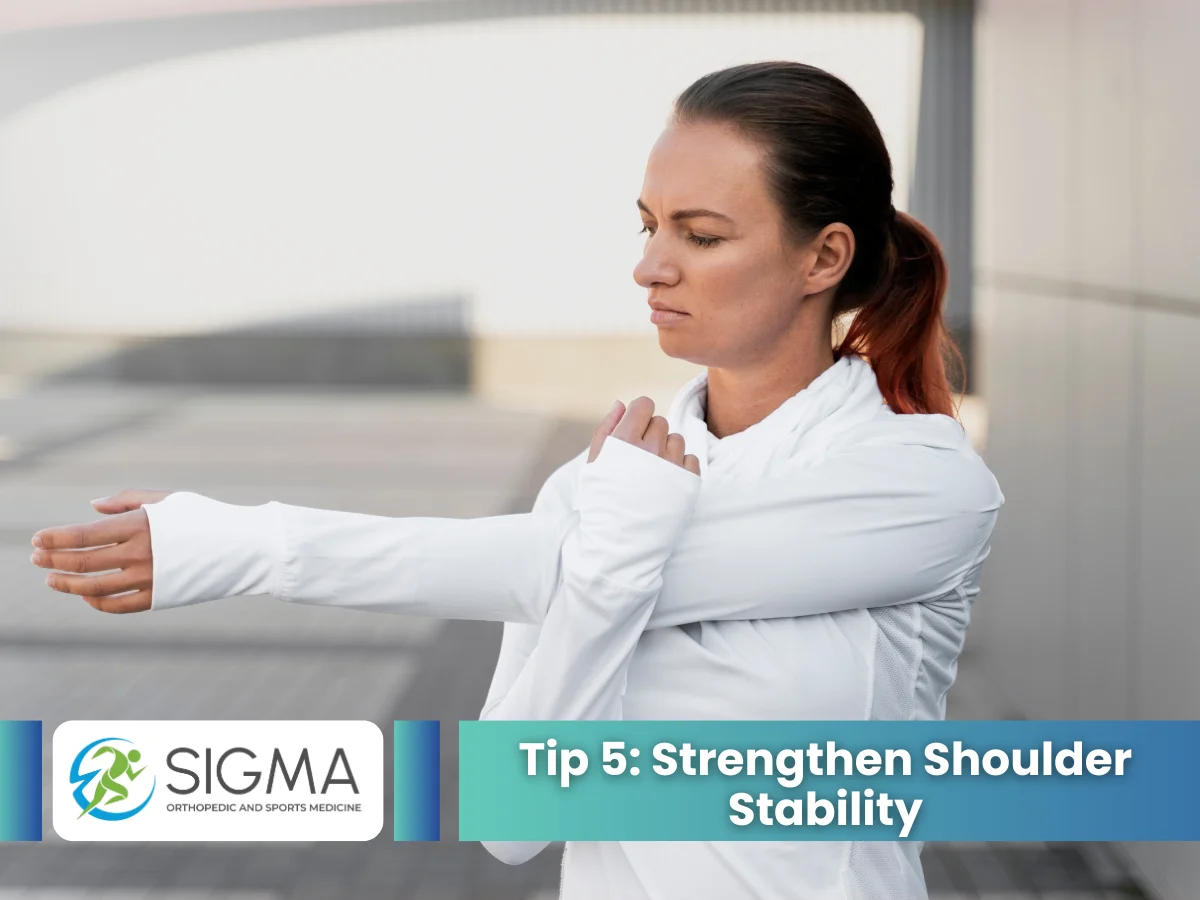
Beyond mobility and rotation, your shoulder needs stability. The glenohumeral joint relies on coordinated muscle activity. Without shoulder stability exercises, compensation patterns can form, causing new injuries.
- Incorporate scapular stabilization exercises: shoulder blade squeezes, prone Y/T/W positions
- Focus on posture correction to support proper mechanics
- Combine stability drills with light resistance for functional strength
SIGMA emphasizes precision and measurable outcomes. Every exercise targets a specific muscle, motion, or functional goal.
Tip 6: Integrate Functional Movements
Recovering shoulders should be trained for life, not just the gym. Incorporate functional exercises that mimic daily activities:
- Reaching overhead safely
- Lifting objects at waist or shoulder height
- Rotational movements simulating sports or work tasks
By practicing functional patterns, patients regain confidence in everyday life, reducing fear of reinjury.
Tip 7: Consistency Over Intensity
One of the biggest mistakes post-surgery is doing too much too soon. Consistency beats intensity in shoulder rehab:
- Short, frequent sessions are more effective than occasional long sessions
- Track progress: range of motion, strength, pain levels
- Adjust exercises based on feedback and data
SIGMA uses advanced outcome tracking tools to guide patients precisely, making rehab measurable and motivating.
Tip 8: Partner with Your Physical Therapist

A shoulder physical therapy program is only as good as its execution. Patients who actively communicate with therapists report faster recovery and fewer complications.
- Discuss pain, fatigue, and progress openly
- Follow professional guidance on exercise timing, sets, and load
- Trust the structured program to avoid improvising or skipping phases
SIGMA Orthopedics combines surgeon-led guidance with physiotherapy expertise, ensuring every movement contributes to measurable healing.
Why Choose SIGMA Orthopedics Before Your Recovery
Before committing to any program, consider the team behind it. SIGMA Orthopedics & Sports Medicine offers:
- Surgeon-led expertise from Dr. Frank McCormick
- Harvard-trained precision combined with Six Sigma methodology
- Advanced recovery tracking through PatientIQ and structured protocols
- Personalized, data-driven shoulder rehabilitation programs
- Integration of technology, evidence-based protocols, and functional outcomes
At SIGMA, your recovery isn’t just monitored, it’s engineered.
Conclusion
Post-surgery shoulder recovery doesn’t have to feel like guesswork. With the right shoulder physio Bayonne, a structured plan, and measurable milestones, patients can regain strength, mobility, and confidence.
By combining early movement, rotator cuff strengthening, mobility exercises, pain management, and functional stability drills, you create a roadmap for success that’s efficient, safe, and personalized.
Ready to rebuild strength and confidence after shoulder surgery? Schedule your consultation with SIGMA Orthopedics today and start your structured, data-driven recovery plan.
FAQs
1. How soon should I start shoulder physical therapy after surgery?
Early passive movement is recommended within days, but active strengthening typically begins once the surgeon clears you, usually 2–4 weeks post-op.
2. Can I do shoulder mobility exercises at home?
Yes, but they should follow a therapist-approved plan to avoid overstretching or re-injury. Home exercises complement clinic sessions, not replace them.
3. How long does full recovery after shoulder surgery take?
Recovery varies by procedure but generally spans 3–6 months for functional restoration, with gradual progression guided by measurable outcomes.
4. What is the role of rotator cuff strengthening in recovery?
Rotator cuff muscles stabilize the shoulder and prevent reinjury. Strengthening these muscles improves range of motion and long-term joint health.
5. How do I know if my rehab is progressing correctly?
SIGMA tracks pain, mobility, and functional performance with PatientIQ tools. Consistent improvement in these metrics signals healthy recovery and identifies areas needing adjustment.