A nagging shoulder pain that won’t quit isn’t just uncomfortable; it can silently limit your life. For athletes, weekend warriors, or anyone over 30, a Type 1 SLAP tear may be the culprit. Unlike more severe tears, this mild labrum injury often goes unnoticed until certain movements, like throwing, lifting, or reaching overhead, trigger a sharp discomfort. Understanding Type 1 SLAP tear treatment options is crucial for restoring mobility, reducing pain, and avoiding long-term complications.
What is a Type 1 SLAP Tear?
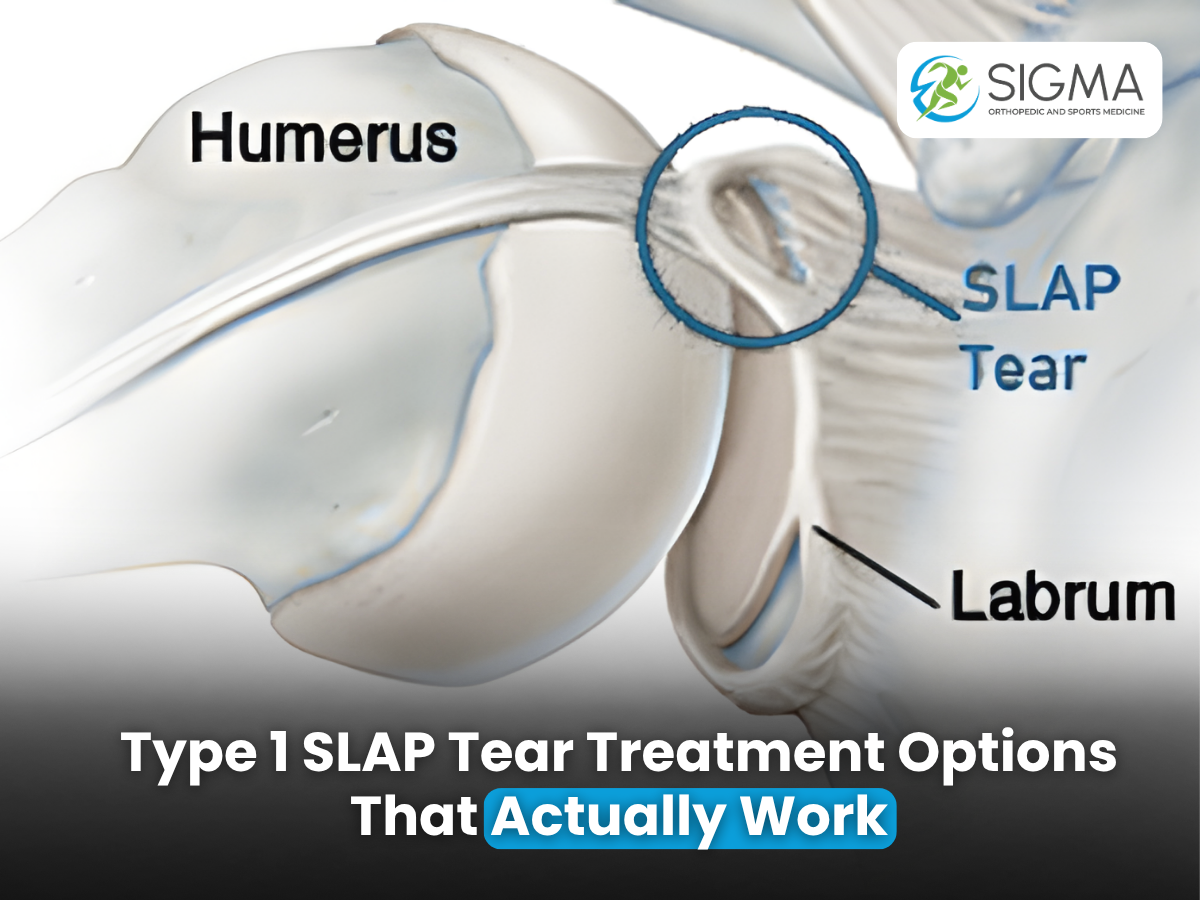
A Type 1 SLAP tear is a minor fraying of the superior labrum in the shoulder joint. The labrum, a ring of cartilage surrounding the socket, stabilizes the shoulder. In a Type 1 tear, the labrum is frayed but remains attached, unlike higher-grade tears, where the labrum may detach. Common causes include repetitive overhead activities, minor trauma, or gradual wear and tear.
The result? Pain with lifting, popping or clicking sounds, and occasional weakness. If untreated, even a mild tear can interfere with athletic performance and everyday activities like reaching for a shelf or lifting groceries.
Symptoms and Diagnosis
Detecting a grade 1 labrum tear can be tricky. Typical signs include:
- Sharp pain with overhead motions
- Popping or catching in the shoulder
- Weakness or fatigue after activity
- Occasional stiffness in the joint
Medical evaluation often includes a physical exam and imaging, such as MRI and arthrograms. According to NIAMS, early diagnosis ensures more predictable outcomes and often avoids unnecessary surgery.
Non-Surgical Type 1 SLAP Tear Treatment
Most Type 1 SLAP tears respond well to conservative treatment. Non-surgical methods focus on reducing inflammation, restoring movement, and strengthening shoulder stabilizers. Typical approaches include:
- Rest and Activity Modification: Avoid overhead lifting or repetitive motions that aggravate the tear
- Anti-inflammatory Medications: NSAIDs can help manage pain and swelling
- Physical Therapy: Targeted exercises improve rotator cuff strength and scapular stabilization
- Ice and Heat Therapy: Reduce inflammation and relieve muscle tension
Slap Tear Recovery Time Without Surgery
Recovery varies depending on severity and adherence to therapy. Typical slap tear recovery time without surgery ranges from 4 to 8 weeks for mild tears. Consistency in shoulder slap tear recovery exercises is critical to prevent lingering weakness and pain.
Mayo Clinic emphasizes that non-surgical rehabilitation can restore full function for most Type 1 tears, especially when combined with proper guidance.
Surgical Options for Type 1 SLAP Tears
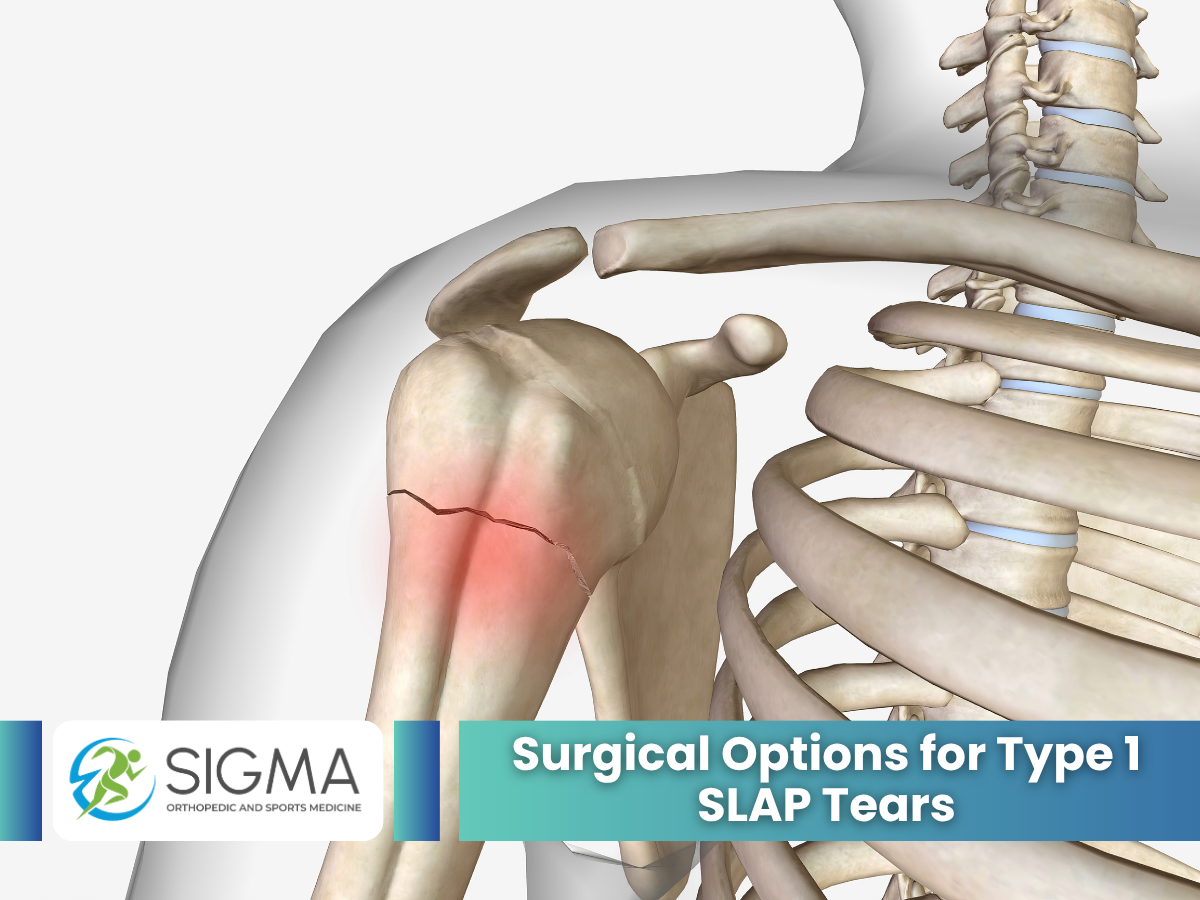
Surgery is usually reserved for cases that do not improve with non-invasive treatment or when patients have high demands, like competitive athletes. Procedures focus on debriding frayed tissue while preserving stability.
Slap Tear Shoulder Surgery Recovery Time
Recovery after surgery is gradual. Typical slap tear shoulder surgery recovery time includes:
- Immobilization: A sling for 1-2 weeks to protect healing tissue
- Physical Therapy: Gradual range-of-motion exercises start within days
- Strengthening Phase: Typically 4-6 weeks post-op, focusing on rotator cuff and scapular muscles
- Return to Activity: Most patients regain normal function by 3-4 months
The total slap tear shoulder recovery is faster than higher-grade tears due to the minimal tissue disruption in Type 1 injuries.
Type 1 SLAP Tear Recovery Time: What to Expect
Whether treated conservatively or surgically, patients often ask, “How long does it take for a SLAP tear to heal?” Recovery depends on age, overall health, and activity level:
- Grade 1 labrum tear: 4-8 weeks with therapy
- Post-surgery Type 1 SLAP tear: 3-4 months before full return to sports or strenuous activity
Adhering to structured rehabilitation exercises, such as pendulum swings, internal/external rotation with bands, and scapular stabilization drills, improves outcomes and reduces risk of re-injury.
Shoulder Rehabilitation Exercises for Type 1 SLAP Tears
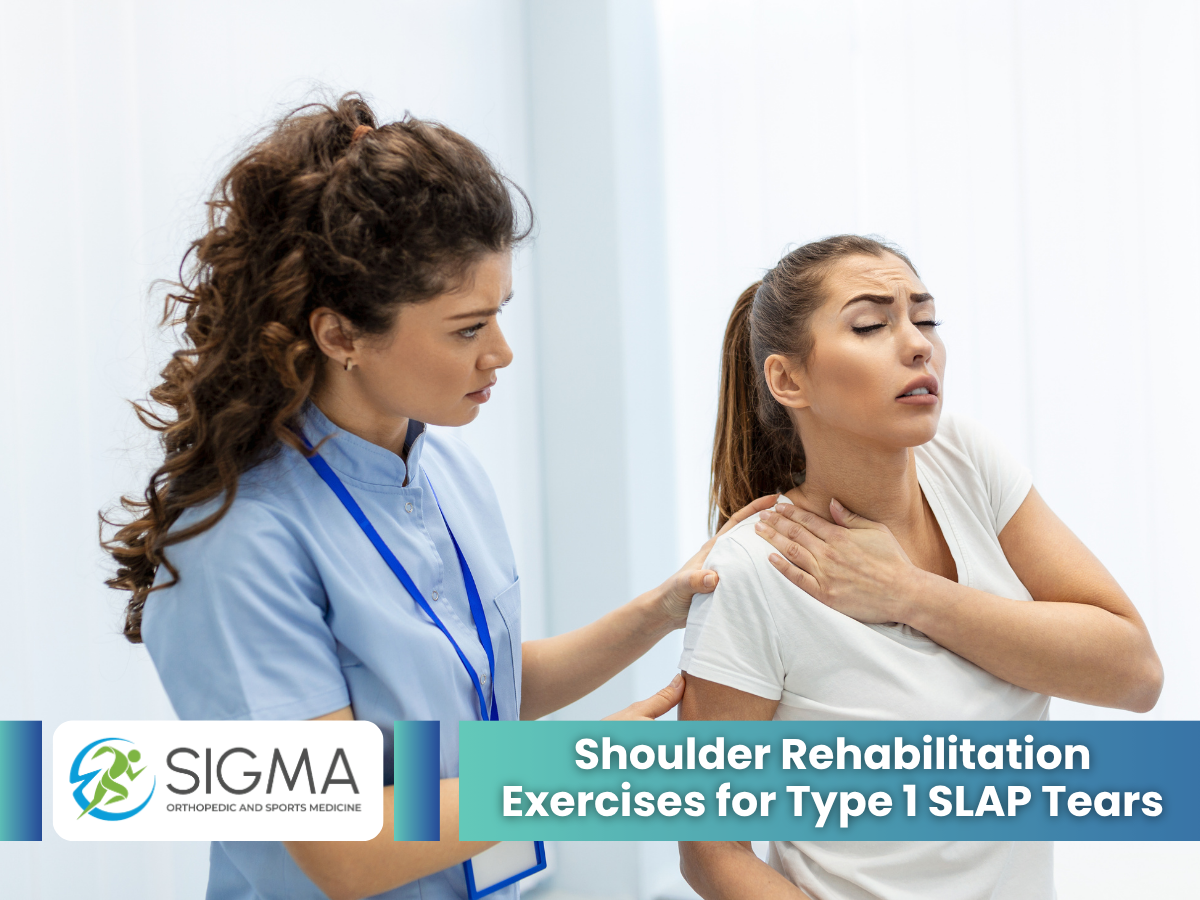
Rehabilitation is the cornerstone of both surgical and non-surgical recovery. Effective exercises focus on mobility, stability, and strength:
- Pendulum Exercises: Gentle swings to maintain joint mobility
- Rotator Cuff Strengthening: Internal and external rotations with resistance bands
- Scapular Stabilization: Wall slides and shoulder blade squeezes
- Stretching: Posterior capsule and chest stretches to relieve tightness
Consistency is key. Even minor improvements compound over time, ensuring predictable Type 1 SLAP tear recovery time and confidence in shoulder use.
Proven Type 1 SLAP Tear Treatment: Pathway to Recovery
At SIGMA Orthopedics, care is never one-size-fits-all. Patients progress through:
- Consultation & Evaluation – Thorough assessment to identify the tear and contributing factors
- Diagnosis & Personalized Plan – Tailored approach combining non-surgical, surgical, or regenerative therapies
- Advanced Treatment – Evidence-based intervention as needed
- Rehabilitation & Tracking – Outcome-focused exercises with progress milestones
- Return to Function – Long-term guidance for joint health and athletic performance
This structured system minimizes uncertainty and maximizes shoulder function, helping patients avoid setbacks and achieve measurable improvements.
Why Choose SIGMA Orthopedics
SIGMA Orthopedics combines a multi-specialty, team-based approach with evidence-driven care. Their philosophy integrates surgical precision, non-surgical therapy, and regenerative treatments, providing clarity and measurable outcomes.
Key differentiators include:
- Board-certified specialists with Harvard and international training
- Structured, milestone-based treatment plans
- Outcome tracking for every patient
- Collaborative care that coordinates all specialists under one system
Patients don’t just get treatment; they gain confidence, predictability, and a clear roadmap to recovery.
Conclusion
A Type 1 SLAP tear doesn’t have to dictate your life. Understanding the tear, following targeted slap tear recovery time strategies, and choosing the right medical team ensure pain-free mobility. Whether through non-surgical therapy or carefully planned surgery, patients regain strength, confidence, and a full range of motion.
Choose SIGMA Orthopedics for a structured, multi-specialty, and outcome-focused path to recovery. Call 833-SIGMA MD or Request an Appointment to start your journey toward shoulder strength and stability today.
Frequently Asked Questions
What is the most effective treatment for a Type 1 SLAP tear?
Most Type 1 SLAP tears respond well to conservative therapy, including physical therapy, activity modification, and anti-inflammatory medications. Surgery is rarely needed unless pain persists.
How long is SLAP tear recovery without surgery?
Recovery usually takes 4-8 weeks with structured rehabilitation exercises and avoidance of aggravating movements.
What is the SLAP tear shoulder surgery recovery time?
After surgery, patients typically return to normal activity within 3-4 months, with early physical therapy starting within days post-op.
Can a Type 1 SLAP tear heal on its own?
Yes, mild tears can often heal with non-surgical treatment, strengthening exercises, and careful management of shoulder movement.
Are injections helpful for SLAP tear shoulder recovery?
Corticosteroid or regenerative injections can reduce inflammation and pain, especially when combined with physical therapy for faster recovery.