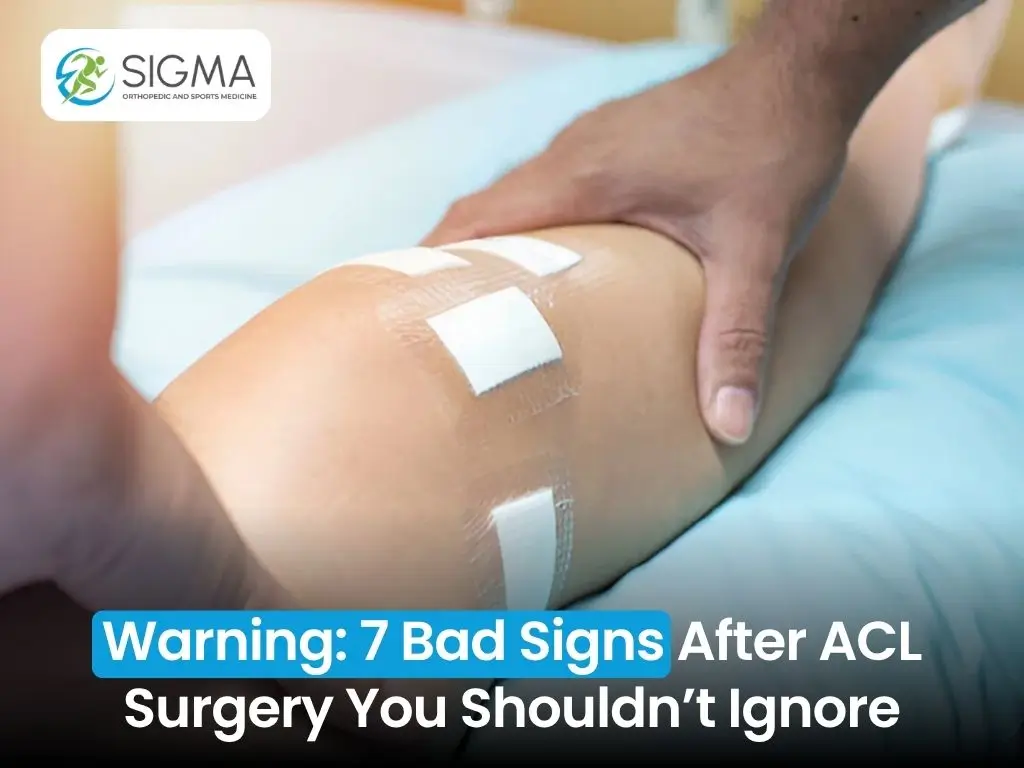
ACL surgery can feel like a ticket back to your active lifestyle, but recovery is a delicate journey. While most patients heal smoothly, certain warning signs shouldn’t be ignored. Recognizing these bad signs after ACL surgery early can prevent complications, improve outcomes, and protect your knee from future injury.
Recovery after ACL reconstruction varies widely depending on age, activity level, and whether other injuries like meniscus tears or chondromalacia patella are present. Knowing what’s normal and what isn’t is critical for anyone undergoing ACL surgery.
Understanding ACL Surgery and Recovery
Anterior Cruciate Ligament (ACL) reconstruction is a common procedure for athletes, active adults, and even weekend warriors. The surgery replaces the torn ACL with a graft, often from the patellar tendon, hamstring, or donor tissue. After surgery, rehabilitation focuses on restoring knee stability, strength, and mobility.
Recovery timelines differ based on whether this is a first ACL repair or a second ACL surgery on the same knee. According to theNational Institutes of Health, most patients gradually regain function over 6–12 months, but complications can arise if warning signs go unnoticed.
1. Persistent Swelling Beyond Expected Recovery
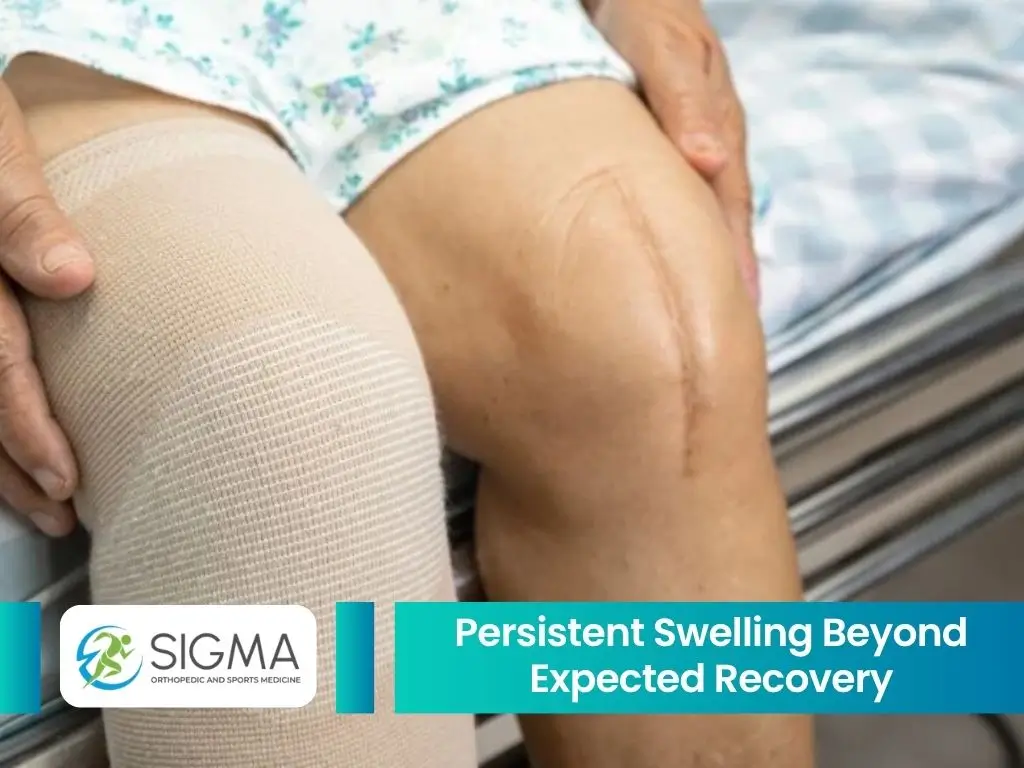
Some swelling is normal after ACL reconstruction. However, excessive or prolonged swelling is a bad sign after ACL surgery. It may indicate:
- Infection
- Hematoma (blood accumulation)
- Graft irritation
Patients should monitor for redness, warmth, and pain that worsen instead of improving. Early medical evaluation can prevent more serious complications.
2. Unusual Pain or Sharp Popping
Pain is expected, but sharp, sudden, or worsening pain is concerning. Particularly, if pain coincides with a popping sensation, it may signal a 2nd ACL tear, same knee or graft failure.
Other potential causes include:
- Torn meniscus or cartilage injury (torn ACL and meniscus)
- Improper graft placement
- Aggressive rehabilitation
Delaying assessment may prolong recovery or necessitate a second ACL reconstruction recovery timeline that is longer than usual.
3. Instability or Giving Way
One of the main goals of ACL surgery is knee stability. If the knee feels loose or gives out during normal activities, it could indicate:
- Graft failure
- Ligament laxity
- Improper healing
Patients with these symptoms may require a second ACL surgery or revision procedure. According to Mayo Clinic, early recognition is crucial for preserving long-term knee function.
4. Limited Range of Motion or Stiffness
While stiffness is common immediately after surgery, persistent difficulty bending or straightening the knee can be a bad sign after ACL surgery. Causes include:
- Scar tissue formation
- Infection or inflammation
- Coexisting injuries like ACL and meniscus tears
Structured physical therapy is essential, but sometimes surgical intervention is needed to restore full motion.
5. Signs of Infection
Infections are rare but serious. Symptoms to watch for include:
- Redness around the incision
- Fever or chills
- Pus or drainage
- Severe, escalating pain
Prompt medical care can prevent complications that could extend the 2nd ACL surgery recovery time or even affect graft success. The CDC provides guidelines on post-surgical infection warning signs and prevention.
6. Numbness or Tingling
Nerve irritation or injury can occur during ACL reconstruction. Persistent numbness, tingling, or a burning sensation may indicate:
- Nerve entrapment
- Swelling affecting the surrounding tissues
- Rare graft-related complications
Early evaluation ensures proper management and prevents permanent deficits.
7. Inability to Bear Weight or Walk Properly
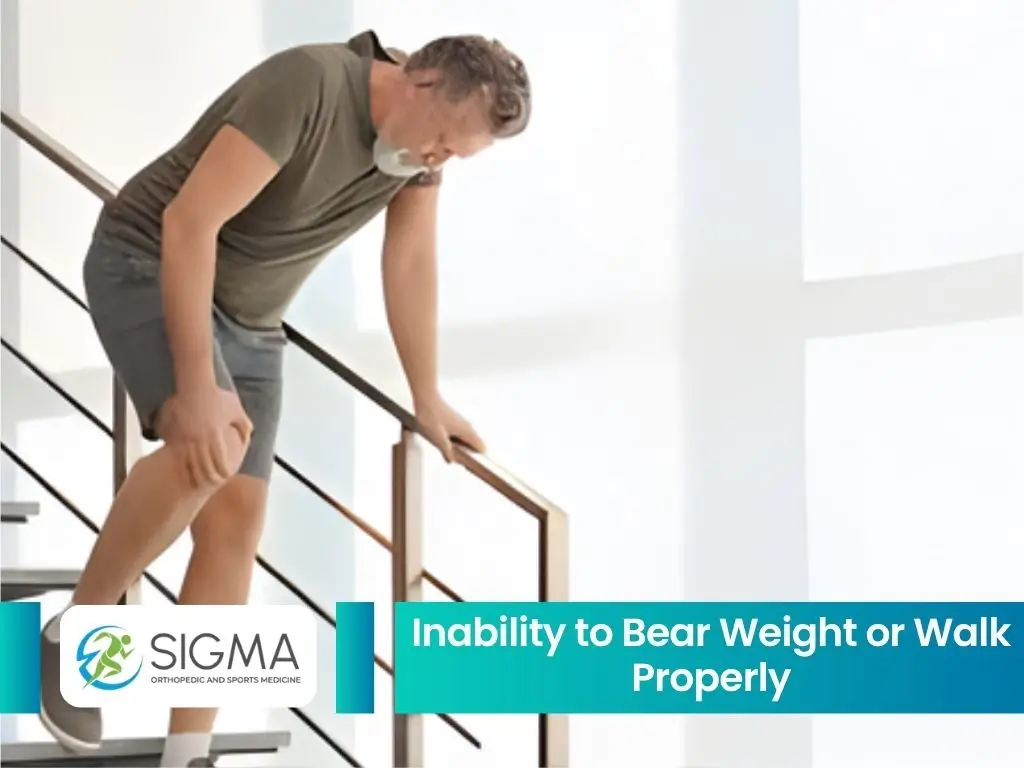
Difficulty walking or bearing weight beyond the first few weeks is a clear bad sign after ACL surgery. This could be caused by:
- Graft failure
- Associated grade 4 chondromalacia patella surgery recovery time issues
- Meniscus tears (ACL and meniscus tear)
Patients experiencing this should contact their orthopedic surgeon immediately to avoid further damage.
Preventing the Need for a Second ACL Surgery
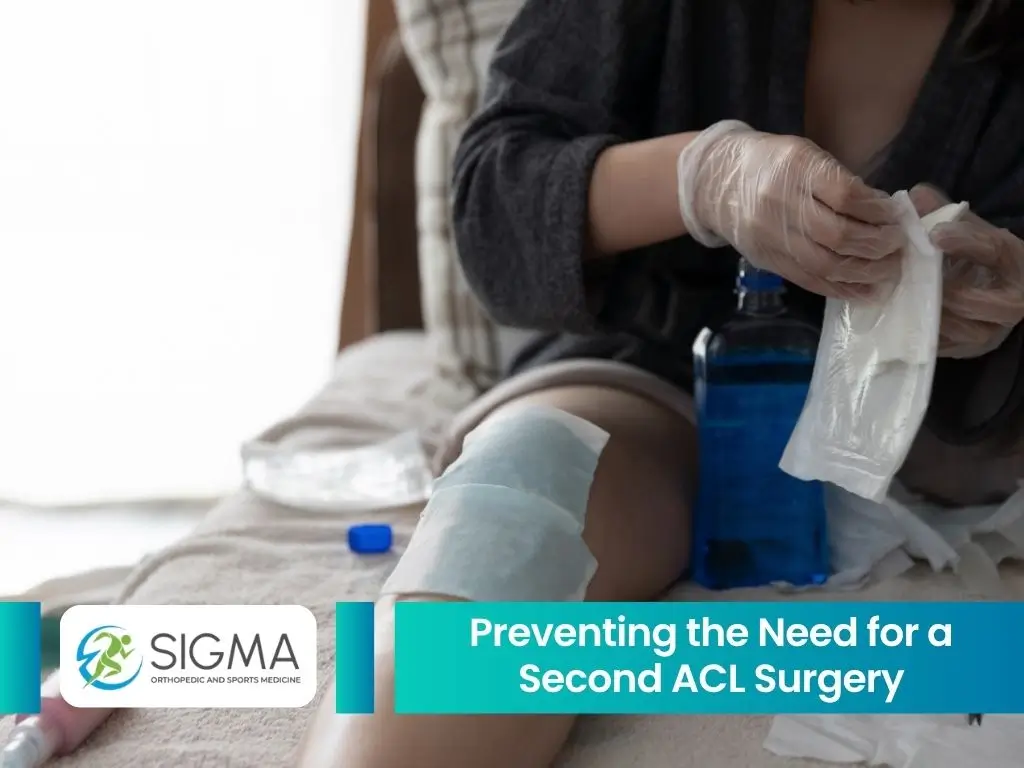
Preventive strategies significantly reduce the risk of revision procedures or 2nd ACL tear in the same knee:
- Follow rehabilitation protocols strictly
- Avoid early return to high-impact sports
- Strengthen hamstrings, quads, and hip stabilizers
- Maintain a healthy weight and joint alignment
Understanding ACL surgery recovery time and adherence to structured rehab can help avoid prolonged recovery or complications.
Why Choose SIGMA Orthopedics for ACL Care
SIGMA Orthopedics stands out for patients facing ACL injuries, including revisions and complicated recoveries. Their approach blends surgical precision with data-driven rehabilitation and collaborative care. Benefits include:
- Board-certified specialists with Harvard and international surgical training
- Personalized recovery plans tailored to the first or 2nd ACL reconstruction of the same knee
- Structured milestone tracking to measure outcomes
- Integration of regenerative therapies, non-surgical interventions, and surgical care
- Coordinated team, ensuring each step of your recovery is monitored
Choosing SIGMA ensures a safe, predictable, and measurable ACL surgery recovery timeline, giving patients confidence to return to their active lifestyle.
Conclusion
Recognizing bad signs after ACL surgery early is key to avoiding complications, reducing recovery time, and preventing additional procedures like a second ACL surgery. From persistent swelling to unusual pain, instability, infection, stiffness, nerve issues, or inability to bear weight, timely action makes all the difference.
Choose SIGMA Orthopedics for a structured, data-driven, and collaborative approach to ACL care. With board-certified specialists, advanced treatments, and outcome tracking, your recovery is precise, safe, and measurable.
Call 833-SIGMA MD or request an Appointment today to regain stability, mobility, and confidence in your knee.
Frequently Asked Questions
What are the most common bad signs after ACL surgery?
Persistent swelling, sharp pain, instability, stiffness, infection signs, numbness, or difficulty walking are the main warning signs requiring immediate evaluation.
Can a second ACL surgery be successful?
Yes, revision ACL procedures are often successful, especially when performed by experienced surgeons with a structured recovery plan. The timeline may be longer than the initial ACL surgery.
How long is the typical ACL surgery recovery time?
Most patients recover within 6–12 months, depending on age, activity level, and whether it’s a first or 2nd ACL reconstruction in the same knee.
Can ACL and meniscus tears be treated together?
Yes, surgeons often address both injuries in a single procedure, but recovery may be slightly longer than isolated ACL reconstruction.
How much does ACL surgery cost?
Costs vary based on hospital, surgeon, and rehabilitation needs. Insurance coverage and pre-op evaluations also impact expenses. Discuss specifics with your orthopedic provider.