
Shoulder pain can sneak up slowly. You might notice discomfort when reaching for a cup, lifting groceries, or even sleeping on one side. Over time, the pain can intensify, making daily tasks frustrating. Many people try rest, medications, or home remedies, but the relief is often temporary.
For those who want faster healing without invasive surgery, PRP therapy in Bayonne NJ is gaining attention. This treatment uses your own blood to stimulate tissue repair, reduce inflammation, and restore mobility. In this article, we’ll break down what PRP therapy is, who it helps, and why it’s a growing option for shoulder recovery.
Why Shoulder Injuries Can Be Hard to Heal
Shoulder injuries often involve tendons, ligaments, or cartilage. These structures have a limited blood supply, which slows natural healing. Common causes of shoulder injuries include:
- Repetitive overhead movements in sports or work
- Sudden trauma, such as falls or accidents
- Degeneration over time from aging or minor wear
Even minor injuries can progress if ignored, leading to chronic pain, reduced range of motion, and weakness. That’s why early intervention with therapies like PRP can make a significant difference.
How PRP Therapy Uses Your Body’s Own Healing Power
PRP therapy stands for platelet-rich plasma therapy. Platelets in your blood release growth factors that promote tissue repair. During treatment:
- A small amount of blood is drawn from your arm.
- The blood is spun in a centrifuge to concentrate platelets.
- The platelet-rich plasma is injected directly into the injured area under guidance.
The process triggers a natural healing response. Unlike medications, PRP targets the root of the injury and supports tissue regeneration.
Shoulder Conditions That Benefit Most from PRP Therapy
PRP therapy isn’t just for athletes; it helps anyone with shoulder tendon or ligament injuries. Common conditions include:
Rotator Cuff Tendon Damage
Partial tears or tendonitis can cause persistent pain and weakness. PRP therapy helps repair the tissue and restore shoulder strength.
Chronic Tendonitis
Overuse injuries, common in desk workers or athletes, cause inflammation. PRP reduces inflammation and supports tendon recovery.
Early-Stage Arthritis
While PRP doesn’t reverse arthritis, it can reduce pain and improve joint function naturally.
Labral Injuries and Minor Tears
For minor labral tears, PRP can accelerate healing, often preventing the need for surgery.
Step-by-Step: What to Expect During PRP Treatment
Many people hesitate to try PRP therapy because of uncertainty about the procedure, injections, or possible side effects. Understanding the full process can ease concerns and help you prepare. Here’s what typically happens during PRP therapy:
1. Initial Consultation
Your journey starts with a thorough consultation. The doctor evaluates:
- Your medical history and any previous shoulder injuries
- Current symptoms, including pain level, weakness, or limited range of motion
- Imaging studies such as X-rays or MRI to identify the exact location and extent of the injury
During this stage, your doctor will discuss whether PRP therapy is appropriate and explain the expected outcomes. Patients also get guidance on pre-treatment preparation, such as avoiding anti-inflammatory medications that may interfere with platelet activity.
2. Blood Draw and Preparation
A small amount of your blood is drawn, usually from your arm. This blood is then processed in a centrifuge to isolate platelet-rich plasma (PRP). Platelets are concentrated to deliver growth factors that stimulate tissue repair.
The process is quick, sterile, and safe. Patients often report feeling more confident knowing the treatment uses their own blood, reducing the risk of allergic reactions or complications.
3. Guided Injection
Once prepared, the PRP is injected directly into the injured tendon, ligament, or joint. Ultrasound imaging may be used to ensure precise placement.
During the injection:
- You may feel a brief pinch or pressure at the injection site.
- Local anesthetic can be used to minimize discomfort.
- The procedure is outpatient-friendly, meaning you return home immediately after the injection.
Targeted placement maximizes the healing effect and ensures that the PRP reaches the area that needs repair the most.
4. Recovery and Observation
After the injection:
- Mild soreness, swelling, or bruising at the injection site is normal for the first few days.
- You may be advised to limit strenuous activity, heavy lifting, or overhead movements for a short period.
- Many patients can resume light daily activities the same day or the next.
Healing is gradual. Platelets release growth factors over several weeks, stimulating tissue repair, reducing inflammation, and restoring shoulder mobility. Most patients notice noticeable improvements within 4–8 weeks, although full recovery may take longer depending on the injury.
Tip: Pairing PRP therapy with physical therapy can enhance results and help restore full range of motion faster.
Why PRP Therapy Can Be a Better Alternative to Surgery
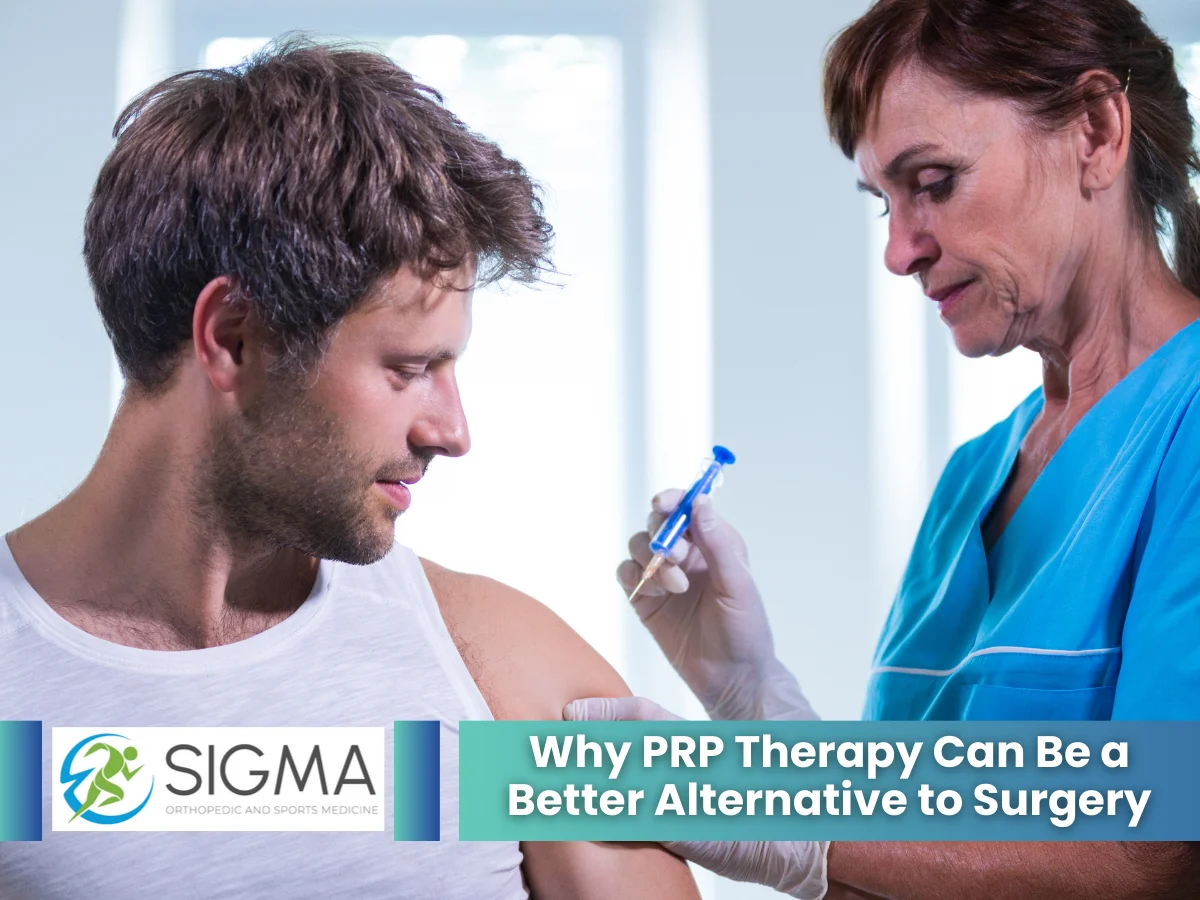
Surgery can repair severe shoulder injuries, but it also comes with challenges: longer recovery time, potential scarring, and risk of complications. For many patients, PRP therapy offers a non-surgical, natural approach to healing.
Minimally Invasive Treatment
PRP requires only a small injection, with no cuts or incisions. This reduces infection risk, shortens recovery time, and avoids hospital stays.
Natural Healing
Unlike medications that mask symptoms, PRP stimulates your body’s own repair mechanisms. Growth factors in platelets promote tissue regeneration, collagen production, and reduced inflammation.
Faster Return to Daily Activities
Since there is no surgical trauma, most patients experience gradual improvement in just a few weeks. This allows you to resume work, household chores, and light exercise sooner.
Reduced Pain and Inflammation
PRP targets the injured tissue directly, promoting long-term relief rather than temporary masking. Patients often report decreased discomfort and improved mobility after the first few weeks.
Customized Treatment
PRP therapy can be tailored to the severity and location of your shoulder injury. Depending on your condition, your provider may recommend one or multiple sessions to maximize healing.
Who Can Benefit Most from PRP Therapy in Bayonne
PRP therapy isn’t just for athletes. It can help a wide range of people seeking faster, non-surgical shoulder recovery:
- Adults with chronic shoulder pain or partial tendon tears – PRP promotes tissue repair, reduces inflammation, and restores mobility.
- People recovering from minor injuries – It accelerates healing and helps patients get back to daily activities sooner.
- Individuals seeking a natural, non-surgical option – PRP uses the body’s own platelets, avoiding surgery risks and long downtime.
- Patients with overuse injuries – From sports, work, or repetitive tasks, PRP strengthens tendons and reduces pain.
What Recovery Looks Like After PRP Therapy
Recovery is gradual but manageable:
- Days 1–3: Mild soreness or swelling is common at the injection site.
- Weeks 1–4: Inflammation begins to decrease, and gentle movement may be encouraged.
- Weeks 4–8: Most patients notice improved mobility, reduced pain, and increased strength.
- Beyond 8 Weeks: Full benefits continue as your body completes tissue repair.
Combining PRP with physical therapy can further enhance results and restore full shoulder function.
Potential Side Effects and Safety
PRP therapy is considered very safe because it uses your own blood, which eliminates the risk of allergic reactions or rejection. However, like any medical procedure, minor side effects can occur:
- Temporary soreness at the injection site – Most patients feel mild discomfort for a day or two, which can be managed with ice or over-the-counter pain relief.
- Mild swelling or bruising – Some swelling or slight bruising around the injection area is normal and usually resolves within a few days.
- Slight stiffness or tenderness – The shoulder may feel stiff for a short period as your body starts the healing process. Gentle movement or guided physical therapy can help alleviate this.
Serious complications are extremely rare, making PRP a low-risk alternative compared to surgical options. Infections, nerve damage, or tissue injury are uncommon, especially when the procedure is performed by a trained specialist.
Tip for patients: Following your provider’s post-treatment instructions, avoiding overuse of the shoulder for a few days, and gradually resuming activity can help minimize side effects and support optimal healing.
Take the First Step Toward Natural Shoulder Healing

If shoulder pain is affecting your daily life, PRP therapy may help. SIGMA Orthopedics in Bayonne offers expert evaluation, precise PRP treatments, and guided recovery plans. Using your body’s own healing potential, PRP therapy can reduce pain, restore mobility, and support faster shoulder recovery. Visit SIGMA Orthopedics today to schedule your consultation.
FAQs About PRP Therapy for Shoulder Injuries
1. How long does it take to see improvement?
Most patients notice gradual improvement within 4–8 weeks. The platelet-rich plasma stimulates tissue repair over time, so continued healing may occur for several months. Recovery speed can vary depending on injury severity, age, and adherence to rehabilitation exercises.
2. Is PRP therapy painful?
Discomfort is usually minimal. Some patients feel mild soreness or pressure at the injection site for a few days. Local anesthesia can be used to reduce discomfort, and most patients are able to resume light daily activities immediately.
3. How many sessions are needed?
The number of sessions depends on the type and severity of the injury. Many patients benefit from 1–3 sessions spaced a few weeks apart. Your provider will assess your condition and create a personalized treatment plan to maximize results.
4. Can PRP therapy prevent future injuries?
PRP therapy can strengthen tendons and ligaments by promoting tissue repair and collagen production. When combined with proper physical therapy and exercises, it may reduce the risk of re-injury or chronic degeneration over time.
5. Who is the best candidate for PRP therapy?
PRP is ideal for adults with chronic shoulder pain, tendon injuries, partial tears, overuse injuries, or early-stage arthritis. Patients seeking a non-surgical, natural treatment option often benefit the most. A medical professional can determine if PRP is right for your specific shoulder condition.