
Meniscus surgery can feel like a lifeline when knee pain starts dictating your life. But even after a successful procedure, concerns linger. One of the most common questions patients ask is how to prevent arthritis after meniscus surgery. The truth is, your recovery isn’t just about getting back to walking, running, or playing your favorite sports; it’s about protecting your joints for decades to come. Understanding the risk factors, rehabilitation strategies, and lifestyle choices is essential to keeping your knees healthy long-term.
Understanding Arthritis Risk After Meniscectomy Surgery
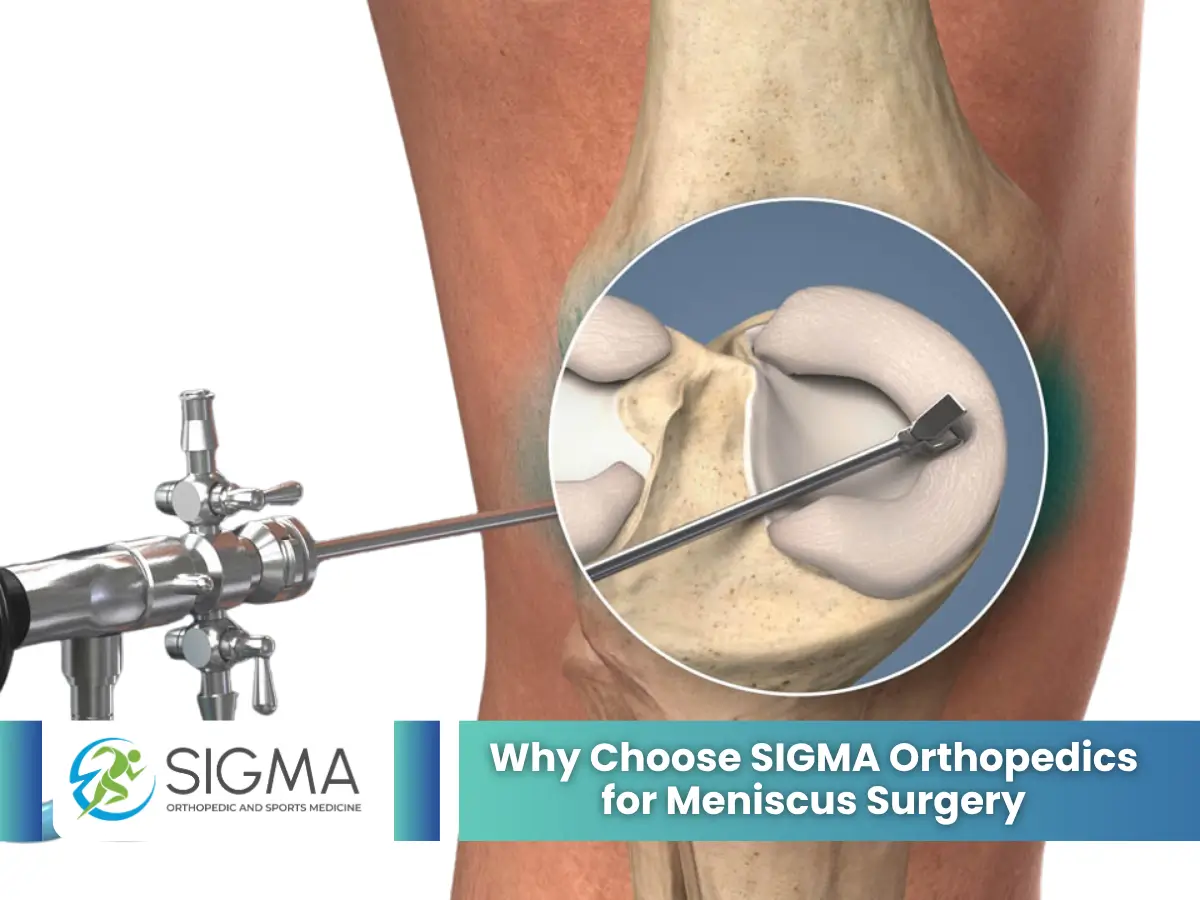
The meniscus plays a crucial role in cushioning the knee and distributing weight evenly across the joint. Removing or trimming part of this cartilage through arthroscopic meniscectomy can relieve immediate pain, but it also changes how forces move through the knee. Research shows that partial meniscectomy increases stress on the cartilage, which may accelerate degenerative changes.
Common questions include: Does meniscus surgery cause arthritis? While surgery itself doesn’t guarantee arthritis, patients with pre-existing cartilage damage or delayed rehabilitation are at higher risk. According to the National Institute of Arthritis and Musculoskeletal and Skin Diseases (NIAMS), post-surgical joint protection and structured rehabilitation are key to reducing long-term degeneration.
Early Steps to Prevent Arthritis After Meniscus Surgery
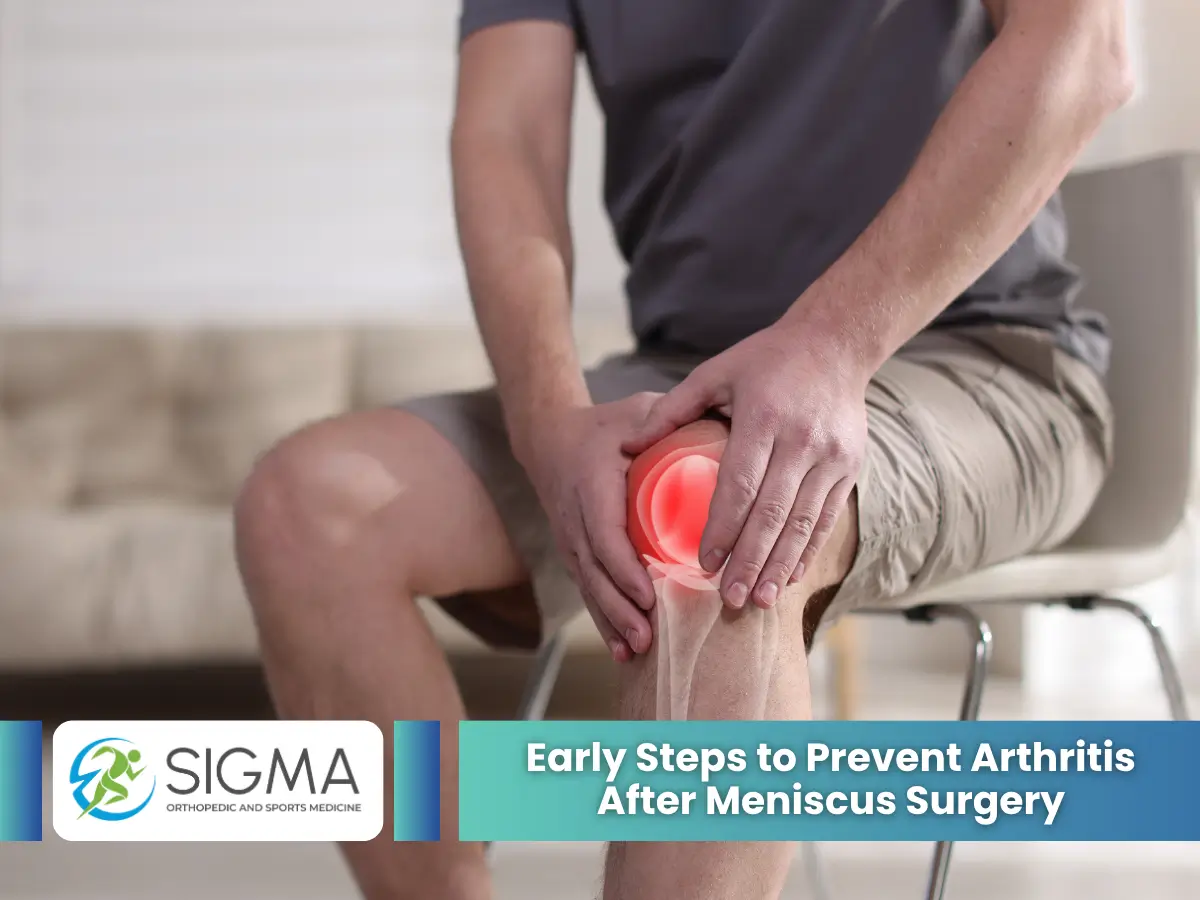
Preventing arthritis begins the moment you leave the operating room. A structured plan addresses mobility, strength, and joint health simultaneously.
- Follow post-operative instructions closely: Avoid overloading the knee and adhere to weight-bearing recommendations.
- Control inflammation: Ice therapy, anti-inflammatory medications, and temporary bracing can limit swelling that stresses cartilage.
- Start gentle range-of-motion exercises: Early movement preserves flexibility and reduces stiffness that contributes to arthritis development.
Implementing these steps early is crucial for anyone wondering how to prevent arthritis after meniscus surgery.
Optimizing Rehabilitation: Meniscectomy Surgery Recovery
Physical therapy isn’t optional; it’s essential. A well-designed program focuses on strengthening surrounding muscles to reduce load on the knee.
Key components include:
- Quadriceps and hamstring strengthening
- Hip and core stabilization exercises
- Balance and proprioception training
- Gradual progression to functional and sport-specific movements
For patients who experience hip pain after meniscus surgery, addressing hip and glute strength is particularly important. The kinetic chain from hip to knee affects load distribution, and ignoring hip muscles can accelerate cartilage wear.
Weight Management and Joint Protection
One of the most overlooked factors in long-term joint health is body weight. Extra pounds increase compressive forces on the knee, making it more susceptible to arthritis after meniscectomy surgery. Even small reductions in body weight can dramatically reduce knee stress and improve long-term outcomes.
- Maintain a healthy body mass index (BMI)
- Avoid high-impact activities too soon after surgery
- Consider low-impact cardio options like swimming or cycling
Government resources, such as the Centers for Disease Control and Prevention (CDC), highlight the importance of weight management in osteoarthritis prevention.
Nutrition for Joint Health
What you eat directly influences cartilage health and inflammation levels. Include nutrient-rich foods like:
- Omega-3 fatty acids from fish or flaxseed
- Antioxidant-rich fruits and vegetables
- Lean protein for muscle repair
- Adequate hydration to support joint lubrication
Supplements such as glucosamine or vitamin D may be beneficial, but always discuss with your orthopedic specialist before starting.
Advanced Interventions: Facet Block Injection and Other Options
Some patients may experience persistent pain even after following rehabilitation protocols. Procedures like facet block injection or targeted anti-inflammatory therapies can reduce pain, allowing better participation in exercise programs. These interventions don’t cure arthritis but help manage symptoms while protecting joint cartilage.
- Corticosteroid injections for temporary relief
- Hyaluronic acid injections to lubricate the joint
- Orthobiologics for cartilage repair (emerging research)
Mayo Clinic, Knee Surgery provides detailed overviews of post-surgical care and preventive strategies.
Avoiding Common Pitfalls
Even the best surgical outcomes can be compromised if patients fall into these traps:
- Returning to high-impact sports too soon
- Ignoring minor swelling or stiffness
- Skipping structured rehabilitation sessions
- Focusing only on the knee without addressing the hip, core, or ankle
Staying proactive and adhering to a multidisciplinary plan is central to answering the question of how to prevent arthritis after meniscus surgery.
Why Choose SIGMA Orthopedics for Meniscus Surgery
SIGMA Orthopedics offers a multi-specialty, team-based approach that combines surgical precision with data-driven recovery plans. Key advantages include:
- Board-certified specialists with Harvard and international training
- Personalized meniscectomy surgery and rehabilitation plans
- Measured outcomes tracking for predictable recovery
- Integration of non-surgical, surgical, and regenerative care
- Collaborative team approach, ensuring each joint receives attention
Patients don’t just get surgery; they gain clarity, confidence, and measurable recovery timelines, reducing uncertainty and maximizing long-term joint health.
Long-Term Strategies to Keep Knees Healthy
Even after completing a structured rehabilitation plan, ongoing habits help maintain joint health:
- Regular low-impact exercise (swimming, cycling, elliptical)
- Continued strength training for quads, hamstrings, and hip muscles
- Maintaining a healthy weight
- Using proper footwear and avoiding uneven terrain when possible
These strategies reinforce your recovery and help prevent degeneration, answering the long-term question of how to prevent arthritis after meniscus surgery.
Conclusion
Arthritis isn’t inevitable after meniscus surgery, but prevention requires vigilance, strategy, and collaboration. From carefully guided rehabilitation to targeted exercises, weight management, nutrition, and advanced interventions like facet block injections, patients can maintain mobility and minimize joint degeneration. Understanding arthritis after meniscus surgery empowers you to make choices that protect your knees today and tomorrow.
Choose SIGMA Orthopedics for structured, outcome-driven care. Our expert team ensures every patient receives clarity, confidence, and a predictable recovery. Call 833-SIGMA MD or request an appointment today to safeguard your knees.
Frequently Asked Questions
What is the risk of arthritis after meniscus surgery?
Partial meniscectomy increases stress on the knee cartilage. Risk is higher in patients with pre-existing degeneration, delayed rehab, or obesity. Early rehab and weight management reduce this risk.
How long is the recovery after meniscectomy surgery?
Recovery varies but typically ranges from 6 weeks to 3 months for basic activities. Full return to sports or high-impact activities may take up to 6 months.
Does meniscus surgery cause arthritis?
Surgery itself doesn’t cause arthritis, but removing part of the meniscus alters joint mechanics, potentially accelerating cartilage wear if precautions aren’t followed.
Can hip pain occur after meniscus surgery?
Yes, altered movement patterns and compensation can cause hip pain after meniscus surgery. Strengthening hip and core muscles is critical for full recovery.
What exercises help prevent arthritis after meniscus surgery?
Focus on:
- Quadriceps and hamstring strengthening
- Hip and core stabilization
- Balance and proprioception drills
- Low-impact cardio like swimming or cycling