
Shoulder pain changes everything. You feel it when you reach for a cup, lift a grocery bag, or try to sleep without shifting around. Many people in Bayonne deal with this pain every day and try to push through it because they think it will fade on its own. Yet it often gets worse with time. If this sounds familiar, you are not alone.
Rotator cuff injuries are common, and they affect active adults, busy workers, parents, and athletes. The pain can slow down your day. It can limit your strength. It can leave you wondering why simple movements now feel like major tasks. This is when many people start looking for a trusted rotator cuff surgeon in Bayonne, NJ, so that they can get real answers and steady relief.
SIGMA Orthopedics & Sports Medicine helps patients understand their symptoms, choose the right treatment, and regain shoulder strength with care that feels clear and supportive. This guide explains how rotator cuff repair works, what you can expect, and how SIGMA helps patients get back to normal life with confidence.
Why the Rotator Cuff Matters for Everyday Shoulder Movement?
Your rotator cuff is a group of four small muscles that keep your shoulder joint stable. These muscles also help you lift your arm, rotate it, and reach behind your back. When one of these muscles or its tendon tears, the shoulder loses strength. You may feel sharp pain or constant soreness.
Daily tasks grow hard because the shoulder is a complex joint. This is why even small tears can lead to big problems. Early diagnosis and proper treatment keep the injury from getting worse.
Common Causes of Rotator Cuff Injuries
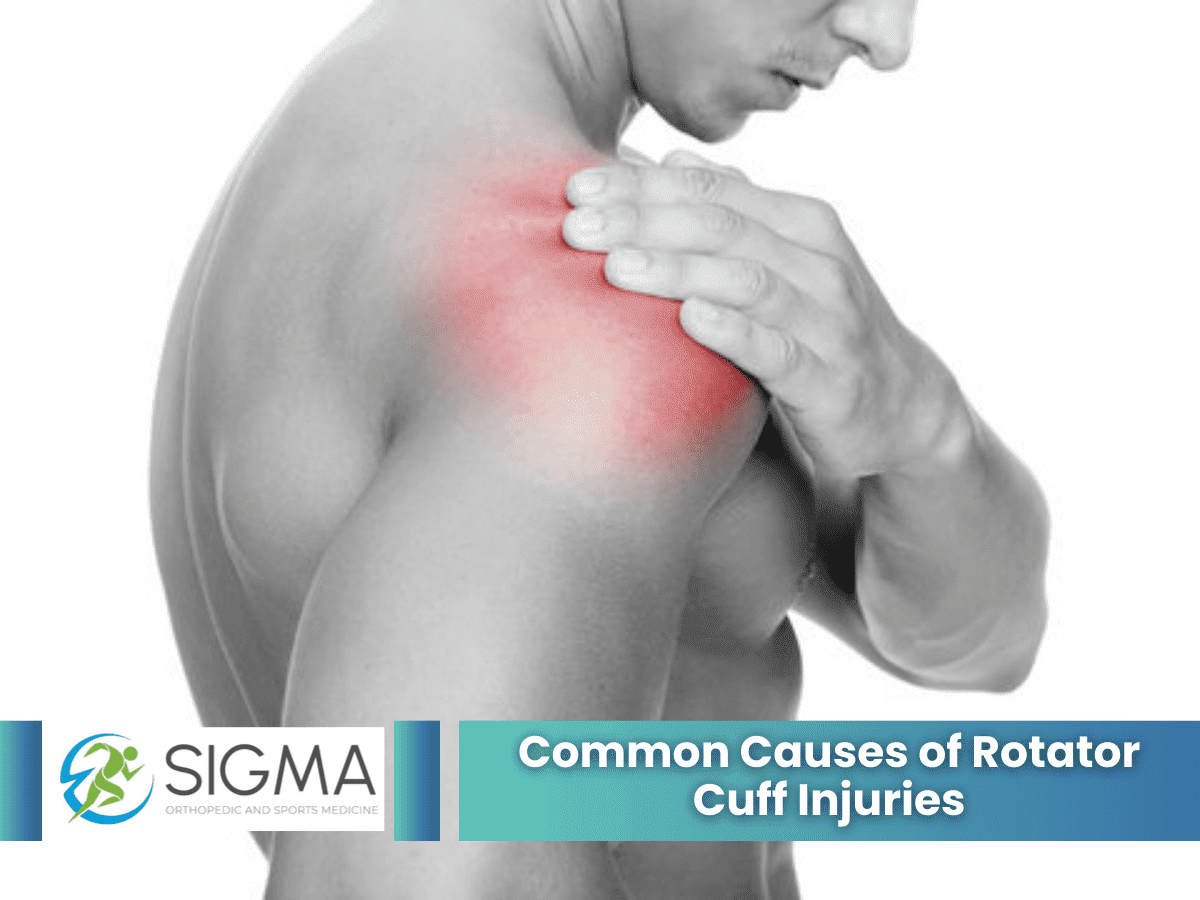
Many patients in Bayonne deal with shoulder injuries due to work, sports, or aging. The most common causes include:
Wear and Tear
Age affects the rotator cuff. Tendons become thin over time. This leads to a higher chance of tearing, even during simple tasks.
Sports Injuries
Tennis, baseball, swimming, weightlifting, and basketball place stress on the shoulder. Repeated overhead motion increases the risk of tendon damage.
Sudden Trauma
Falls, heavy lifting, or a direct impact can cause a tear.
Poor Shoulder Mechanics
Weak muscles or improper movement patterns strain the rotator cuff.
No matter the cause, treatment is important. Many patients try rest or home care first. Yet if pain does not improve, rotator cuff surgery in Bayonne NJ may be the next step.
Signs You May Need Rotator Cuff Surgery

Not every tear requires surgery. Some patients improve with physical therapy and targeted exercise. Still, certain symptoms point to a more serious issue. These include:
Pain That Keeps You Awake
If shoulder pain wakes you at night or makes it hard to sleep on one side, it may be a serious tear. Constant discomfort that persists for weeks or months often signals that conservative care isn’t enough.
Pain While Lifting Your Arm
Difficulty or sharp pain when raising your arm, reaching overhead, or carrying objects can indicate tendon damage. This type of pain affects daily activities and may worsen without intervention.
Weakness in the Shoulder
A torn rotator cuff often causes noticeable weakness. You might struggle to lift even light items or perform routine tasks like dressing, grooming, or lifting groceries.
Loss of Range of Motion
If your shoulder cannot move fully in different directions, the tendon may be significantly damaged. Limited mobility can affect work, sports, and daily life.
Popping or Clicking During Movement
A popping, snapping, or grinding sensation can be a sign of tendon injury or fraying. While not always painful, these sounds indicate instability in the shoulder joint.
Pain Lasting More Than a Few Months
When pain does not improve after weeks of rest, anti-inflammatory treatment, or therapy, surgery may be necessary. Persistent symptoms can indicate a full-thickness or worsening tear.
Recognizing these signs early is important. Consulting an orthopedic specialist like SIGMA Orthopedics ensures accurate diagnosis and treatment before the tear becomes more severe.
Patients with these signs often consider rotator cuff surgery in Bayonne NJ to prevent long-term damage.
Types of Rotator Cuff Tears
Before considering rotator cuff surgery in Bayonne NJ, it helps to understand the type of tear you may have. Knowing this can guide treatment decisions and set realistic expectations for recovery.
Partial Tear
A partial tear means the tendon is damaged but not completely separated from the bone. You may still lift your arm, but pain and weakness are common. Daily activities like reaching overhead or lifting objects can become uncomfortable. Physical therapy sometimes helps, but surgery may be needed if symptoms persist.
Full-Thickness Tear
A full thickness tear occurs when the tendon fully detaches from the bone. This type of tear often causes noticeable weakness and limits shoulder movement. Pain may be constant, especially at night. Patients with full thickness tears often need surgery to restore strength and prevent further damage.
Massive Tear
A massive tear involves more than one tendon and significantly reduces shoulder function. Lifting, rotating, or even simple tasks like brushing your hair can be very difficult. Recovery is more complex and usually requires surgery combined with a structured rehabilitation plan. Early treatment is crucial to regain motion and strength.
Each tear type requires a specific repair method. SIGMA Orthopedics evaluates your injury carefully and recommends the most effective approach for your situation, ensuring the best outcome possible.
Why Many Patients Choose Rotator Cuff Surgery
Surgery becomes an option when conservative care stops working. Many patients choose surgery because they want to:
Reduce Constant Pain
Persistent shoulder pain can disrupt sleep, work, and daily activities. Surgery helps repair the tendon and remove inflammation, which often results in noticeable pain relief. Patients can finally perform simple movements without constant discomfort.
Improve Strength
Tendon tears weaken the shoulder, making it difficult to lift objects or perform normal tasks. Surgical repair restores the connection between tendon and bone, helping patients regain strength gradually. This allows them to handle daily routines and physical activities more comfortably.
Restore Shoulder Stability
A torn rotator cuff can make the shoulder feel unstable or loose. Surgery secures the tendon and rebuilds the shoulder’s support system. This reduces the risk of further injury and gives patients confidence in their movements.
Prevent the Tear from Growing
Rotator cuff tears often worsen over time if left untreated. Surgery stops the tear from expanding and prevents additional tendons from being affected. Early repair can reduce complications and improve long-term outcomes.
Maintain an Active Lifestyle
Many patients choose surgery to get back to sports, hobbies, or physically demanding jobs. By repairing the tendon and following a guided recovery plan, surgery helps people return to the activities they enjoy without limitations.
If you want to return to work, sports, or daily activities, surgery may help you get there faster.
What Happens During Rotator Cuff Surgery
Most procedures follow a simple timeline.
Step 1: Anesthesia
You stay comfortable through the entire procedure.
Step 2: Arthroscopy
A small camera is inserted into your shoulder. The surgeon sees the tear without large incisions.
Step 3: Tendon Repair
The tendon is prepared and attached back to the bone.
Step 4: Closing the Incisions
Small stitches close the area. The shoulder is protected with a sling.
The entire process is focused on restoring function and reducing pain.
What Recovery Looks Like After Surgery
Recovery depends on the size of your tear and your health. SIGMA guides each patient through the process with:
Phase 1: Shoulder Protection
You will wear a sling for a few weeks to protect the repair.
Phase 2: Guided Physical Therapy
Therapists help you regain movement and reduce stiffness.
Phase 3: Strength Training
You start building strength to support the shoulder.
Phase 4: Return to Daily Activities
Most people return to normal life within a few months.
SIGMA stays with you throughout your recovery so you never feel lost or unsure.
How SIGMA Supports Active Patients in Bayonne
Many patients want to return to sports, gym training, or physical jobs. SIGMA creates personalized recovery plans that match your activity level. These plans help active patients regain confidence as they return to movement.
They also focus on joint health education. They teach patients how to protect their shoulder in the future. This helps you avoid reinjury and stay active with less pain.
How SIGMA Restores Shoulder Strength After Rotator Cuff Surgery
Choosing the right surgeon can make all the difference. Patients in Bayonne trust SIGMA Orthopedics because the clinic combines expertise, modern techniques, and patient-centered care. Here’s how SIGMA helps you regain strength and move with confidence:
Skilled Orthopedic Surgeons
SIGMA’s team has years of experience repairing rotator cuff injuries. Their expertise ensures accurate diagnosis, precise surgery, and personalized treatment for every patient. You can trust that your shoulder is in capable hands.
Modern Surgical Tools
The clinic uses advanced surgical equipment and minimally invasive techniques. This approach reduces tissue damage, lowers the risk of complications, and supports faster healing.
Clear and Honest Guidance
SIGMA provides patients with step-by-step information about their surgery and recovery. Understanding the process helps you feel confident and prepared for each stage.
Focused Recovery Plans
Post-surgery care is crucial for restoring strength and mobility. SIGMA offers structured rehabilitation programs designed for your injury type, lifestyle, and activity level.
Shorter Downtime
With precise surgical techniques and guided recovery, patients often return to daily activities sooner. Pain decreases faster, and shoulder function improves steadily.
Long-Term Support
SIGMA does not stop at surgery. They continue monitoring progress, adjusting therapy, and answering questions to ensure lasting results and healthy shoulder function
Ready To Restore Your Shoulder Strength?
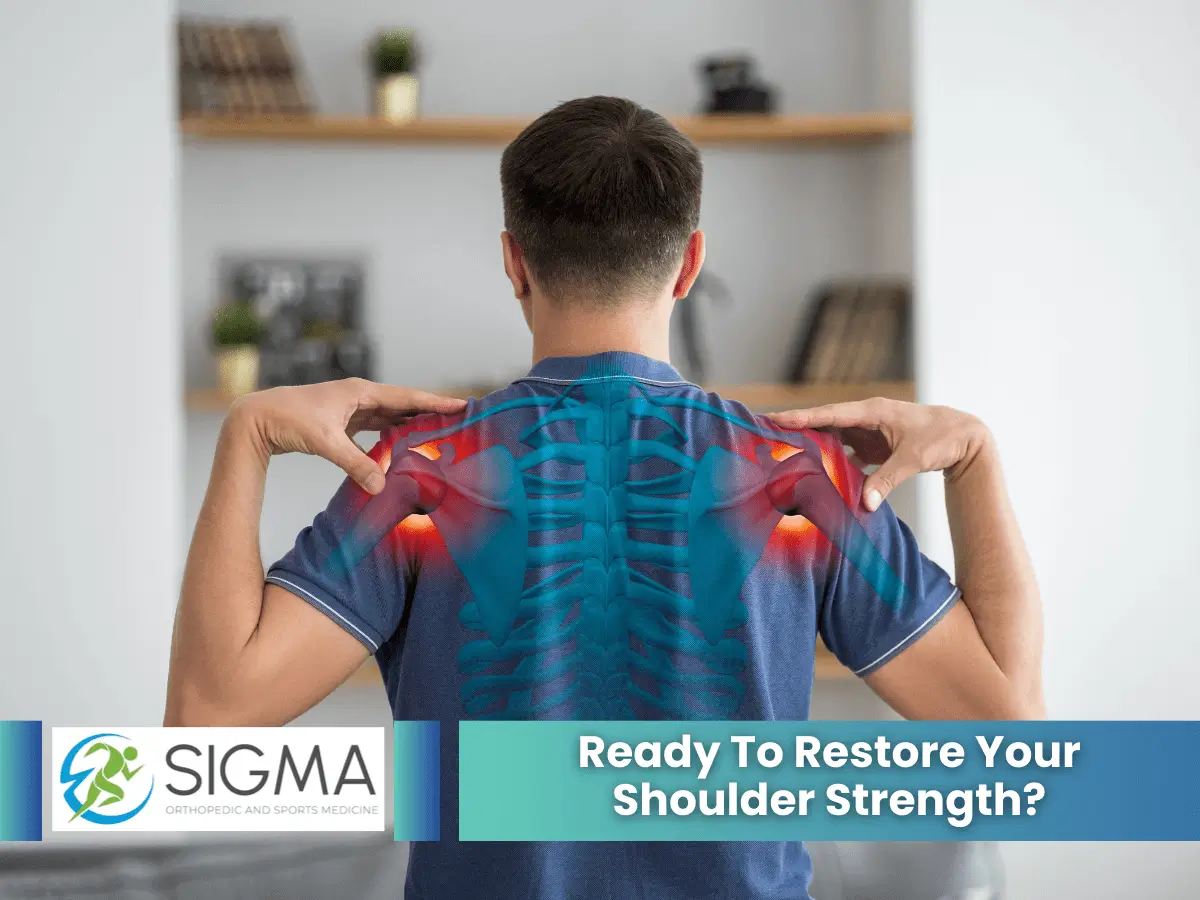
If shoulder pain limits your life, now is the right time to take action. SIGMA Orthopedics offers skilled rotator cuff surgery in Bayonne NJ with a clear focus on patient comfort and steady recovery. Their team is ready to guide you from your first visit to your full return to strength. Visit their clinic site at https://sigmaortho.health/ and schedule your consultation today.
Frequently Asked Questions
1. How do I know if I need rotator cuff surgery?
If you have pain for many months or weakness that limits movement, surgery may help. Imaging tests confirm the tear.
2. How long does recovery take?
Most patients recover in three to six months. Large tears may take longer.
3. Is rotator cuff surgery painful?
There is some discomfort, but pain control methods help you stay comfortable. Most patients feel better within weeks.
4. Can a rotator cuff tear get worse if untreated?
Yes. Tears often grow larger over time and may cause more weakness.
5. Will I need physical therapy after surgery?
Yes. Physical therapy helps you regain movement and strength. It is a key part of recovery.