Shoulder pain can make even simple tasks feel impossible. Reaching overhead, carrying groceries, or even getting a good night’s sleep may become difficult. Many people avoid treatment because they worry about surgery, long recovery, or invasive procedures. For those seeking a safer, natural solution, platelet plasma treatment in Bayonne NJ offers a non-surgical way to stimulate healing and regain shoulder strength.
PRP therapy uses your own blood’s platelets to target injured tissues, reduce inflammation, and promote repair. Patients often notice gradual improvement over weeks, making it an attractive option for people who want to avoid the risks and downtime of surgery. In this article, we’ll cover exactly how PRP works, who can benefit, what the procedure involves, and how recovery typically unfolds.
How Platelet Plasma Treatment Promotes Natural Shoulder Healing
Platelet plasma treatment, also known as PRP therapy, works by harnessing the body’s own healing mechanisms. Blood contains platelets that release growth factors and proteins essential for tissue repair. When concentrated and injected into an injured area, these platelets stimulate repair of tendons, ligaments, and other soft tissues.
Unlike medications that simply mask pain, PRP addresses the source of the problem. The therapy reduces inflammation, promotes collagen production, and gradually restores shoulder function. Because it uses your own blood, the risk of allergic reactions or complications is extremely low. Patients appreciate that PRP provides a natural, non-surgical path to recovery, making it an ideal choice for chronic injuries, overuse injuries, or early-stage degeneration.
Who Can Benefit from PRP Therapy in Bayonne
PRP therapy isn’t just for athletes or those with severe injuries. It can help a wide range of adults who experience shoulder pain or reduced mobility. People with chronic tendon injuries often find that PRP improves strength and function while reducing inflammation. Those recovering from minor strains or repetitive stress injuries benefit from faster healing compared to rest alone.
Patients seeking a non-surgical solution often choose PRP because it avoids the risks of surgery and allows a quicker return to daily activities. Even older adults with early degenerative changes in the shoulder can experience pain relief and improved joint function. Ultimately, a medical professional can determine whether PRP is appropriate, ensuring the therapy aligns with the patient’s condition and recovery goals.
Step-by-Step: What Happens During PRP Therapy
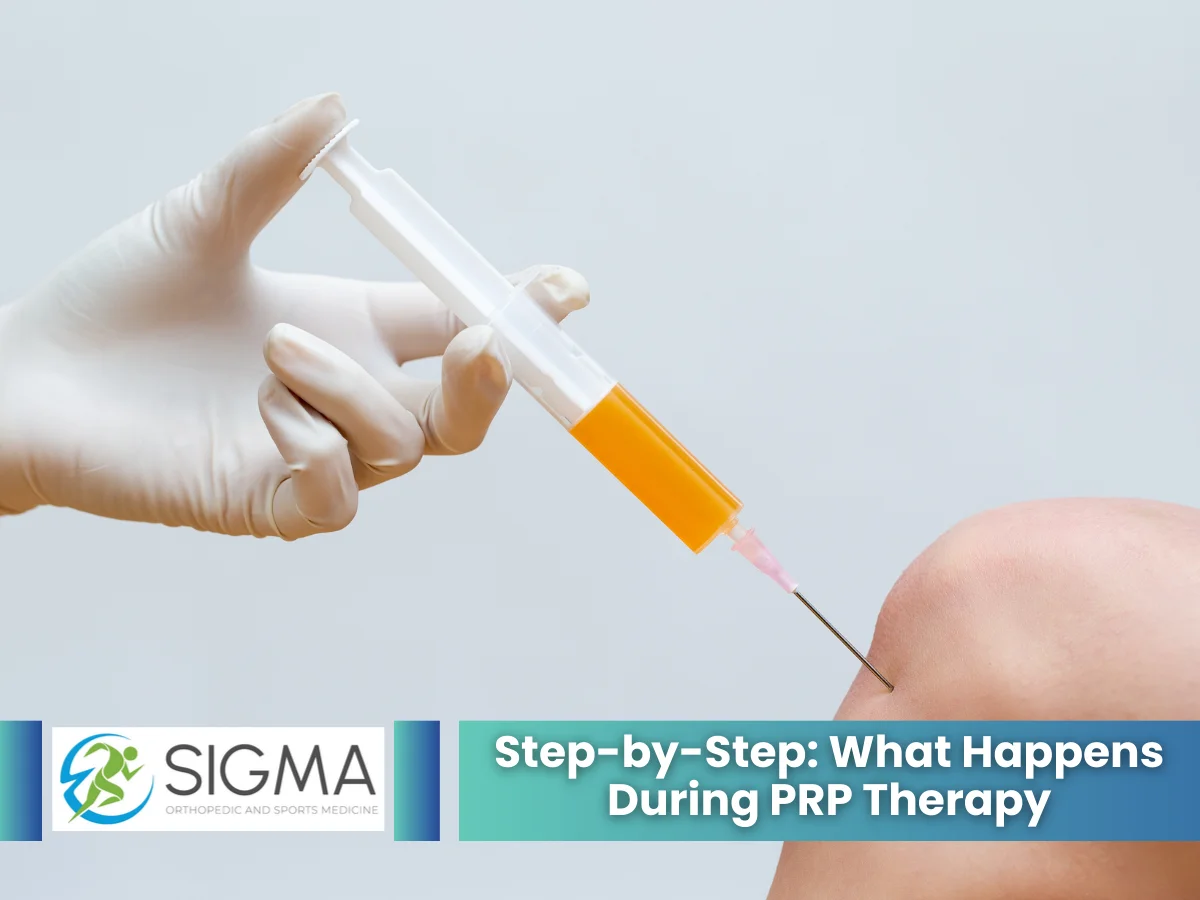
Many patients are understandably nervous about injections. Knowing the steps can make the process feel easier. PRP therapy usually begins with a consultation where your doctor reviews your medical history, examines your shoulder, and may use imaging such as an MRI to understand the injury fully.
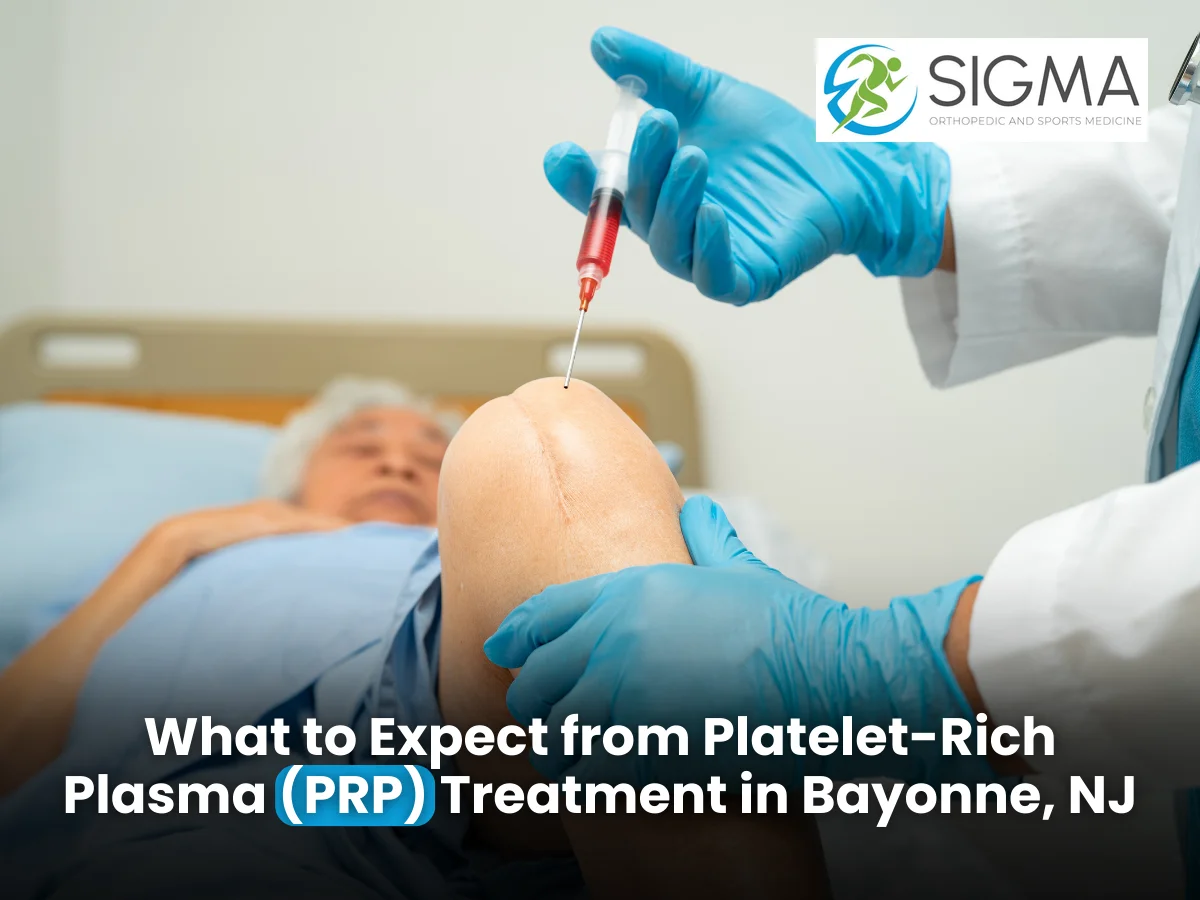
Next, a small sample of blood is drawn from your arm. This blood is processed in a centrifuge to concentrate the platelets. The resulting platelet-rich plasma is carefully injected into the injured area, often using ultrasound guidance to ensure precision. The procedure typically takes less than an hour, and most patients experience only mild discomfort during and after the injection.
After the treatment, patients may feel slight soreness or stiffness, which usually subsides within a few days. As the platelets stimulate tissue repair, gradual improvement occurs over several weeks. Combining PRP with guided physical therapy can enhance results and support faster recovery.
Conditions Treated with PRP Therapy
PRP therapy is effective for several common shoulder conditions. Partial rotator cuff tears and tendonitis respond particularly well, as the therapy promotes tendon repair and reduces inflammation. Overuse injuries caused by repetitive work or sports can also benefit, as PRP accelerates healing and restores mobility.
Patients with early-stage arthritis may notice reduced joint inflammation and improved comfort, although PRP cannot reverse advanced degenerative changes. Minor ligament or labral injuries can heal faster when treated with PRP, especially when paired with a structured rehabilitation plan.
Overall, PRP offers a flexible treatment option for people who want to improve shoulder function naturally without surgery.
Recovery Timeline After PRP Therapy

Recovery after platelet plasma treatment occurs gradually. Most patients experience mild soreness or swelling in the first week, which can be managed with ice or over-the-counter pain relief. Gentle movement is encouraged early to prevent stiffness.
By the third or fourth week, inflammation typically decreases, and patients notice improved comfort during daily activities. Between four and eight weeks, mobility and strength continue to improve, and most patients can resume normal routines with greater ease. Full tissue repair may continue for several months, especially when therapy is combined with physical rehabilitation exercises.
Patients appreciate PRP because it allows gradual, natural healing without the extended downtime associated with surgery.
Safety and Potential Side Effects
PRP therapy is generally safe, with very low risk because it uses the patient’s own blood. Some minor side effects may include temporary soreness, mild swelling, or short-term stiffness in the treated area. Serious complications are extremely rare.
Following your provider’s instructions after treatment helps minimize side effects and supports optimal healing. Avoiding overuse of the shoulder in the first few days and gradually resuming physical activity ensures a smoother recovery process.
Why PRP Therapy Is a Viable Alternative to Surgery

Surgery is sometimes necessary, but it comes with longer recovery, scarring, and potential complications. PRP therapy provides a minimally invasive alternative that stimulates the body’s own healing process. Patients often experience gradual improvements in pain, strength, and mobility within weeks.
PRP is particularly valuable for those seeking a natural, low-risk solution before considering surgical intervention. It promotes targeted healing, reduces inflammation, and supports long-term tendon and ligament health.
Take the First Step Toward Shoulder Healing
If shoulder pain limits your daily life, platelet plasma treatment in Bayonne NJ can provide a natural path to recovery. SIGMA Orthopedics offers expert evaluation, precise PRP injections, and guided recovery plans to restore shoulder strength and mobility.
Schedule your consultation at SIGMA Orthopedics today and start your journey toward a stronger, pain-free shoulder.
FAQs About Platelet Plasma Treatment in Bayonne
1. How long does it take to see results?
Most patients notice gradual improvement within 4–8 weeks, with continued tissue repair over several months.
2. Is PRP therapy painful?
Discomfort is minimal. Mild soreness at the injection site is normal and usually resolves in a few days.
3. How many sessions are required?
One to three sessions are typical, depending on the severity of the injury. Your provider will personalize your plan.
4. Can PRP therapy prevent future injuries?
PRP strengthens tendons and ligaments, helping reduce the risk of re-injury when combined with physical therapy.
5. Who is the best candidate for PRP therapy?
Adults with chronic shoulder pain, tendon injuries, overuse injuries, or early-stage arthritis benefit most.