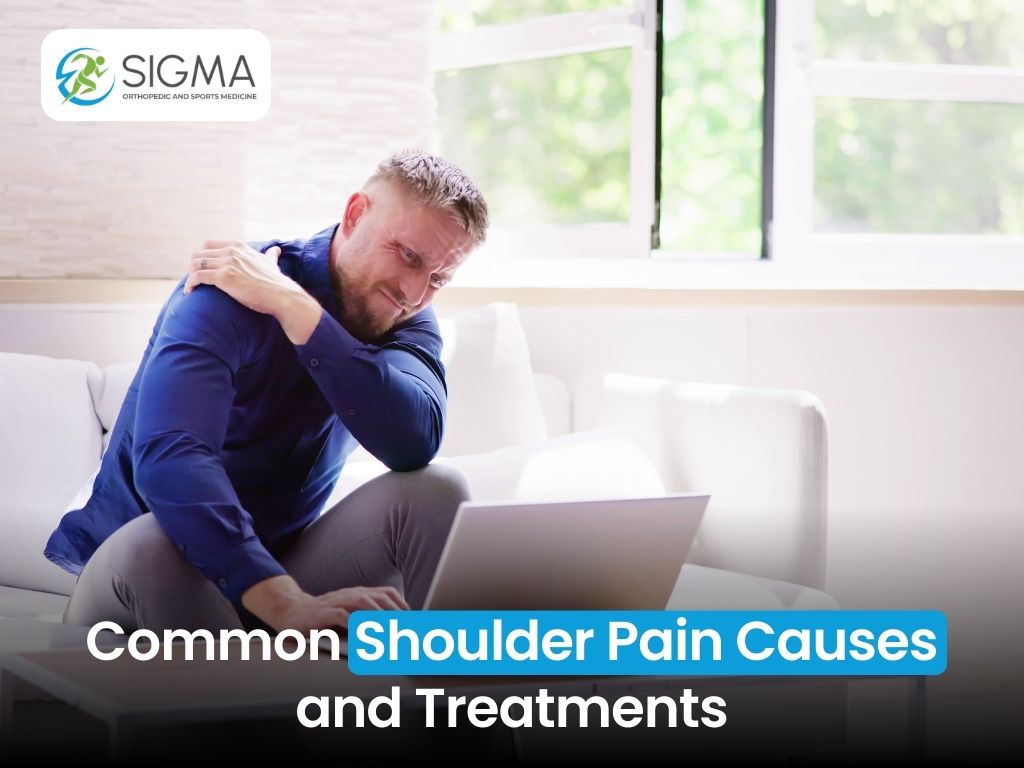
Shoulder pain is one of those nagging aches that can turn the simplest tasks, reaching for a cup, tossing a ball, or even brushing your hair, into a test of patience. For many, it starts subtly, a twinge when lifting, a dull ache at night. But behind that discomfort often lies a complex network of muscles, tendons, and ligaments, each vulnerable to injury or degeneration. Understanding shoulder pain causes and treatment is the first step toward reclaiming your mobility and strength.
Understanding Shoulder Pain: Why It Happens
The shoulder is a marvel of engineering: a ball-and-socket joint capable of an astonishing range of motion. But that mobility comes with a price. Unlike the hip, which trades movement for stability, the shoulder sacrifices stability to move freely, leaving it prone to injury. Common culprits include:
- Rotator cuff tears or inflammation – tiny tendons fray or tear, especially in repetitive overhead movements.
- Shoulder impingement – when tendons get pinched during arm elevation, causing pain and restricted motion.
- Labrum injuries – the cartilage lining the socket can rip during falls, sports, or sudden jerks.
- Frozen shoulder (adhesive capsulitis) – stiffness and inflammation slowly restrict movement, sometimes after immobilization.
- Arthritis or degenerative changes – wear-and-tear over the years can inflame joints, causing constant soreness.
Even daily habits, such as slouching at a desk, poor posture, or sleeping awkwardly, can amplify minor injuries into chronic pain. According to the National Institute of Arthritis and Musculoskeletal and Skin Diseases, understanding the exact cause is crucial because treatment depends on it. Identifying the shoulder pain causes and treatment early can prevent complications and accelerate recovery.
Rotator Cuff Treatment: Restoring Strength and Function
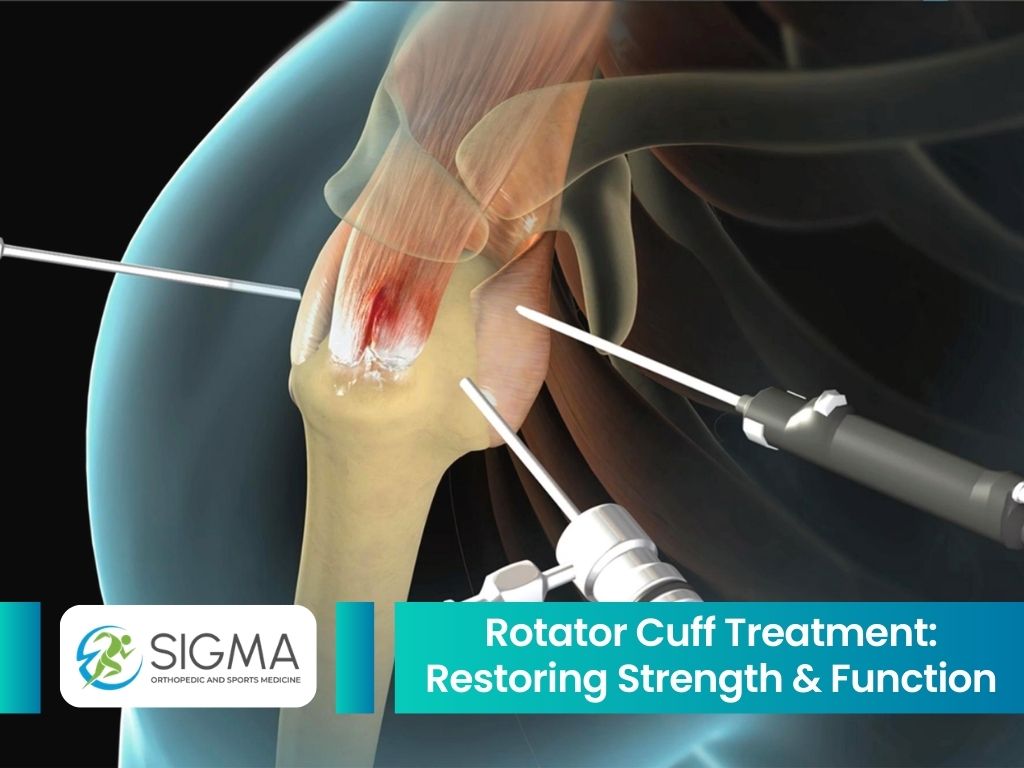
Rotator cuff injuries rank among the most common shoulder issues, especially in athletes and older adults. The rotator cuff is a group of four muscles stabilizing the shoulder and enable overhead motion. When torn or inflamed, daily tasks become painful, and the shoulder may feel weak or unstable.
Treatment options vary depending on severity:
- Conservative approaches – rest, anti-inflammatory medications, and ice/heat therapy.
- Physical therapy – targeted shoulder rehabilitation exercises to restore strength and flexibility.
- Advanced interventions – corticosteroid injections or regenerative treatments like orthobiologics.
- Surgical repair – in severe tears or failed conservative management.
A patient at SIGMA Orthopedics described, “After six weeks of focused rehab, my overhead reach returned, and I didn’t even need surgery.” This structured, outcome-driven approach ensures patients not only heal but also regain confidence in shoulder movement, demonstrating effective shoulder pain causes and treatment in practice.
Shoulder Impingement Therapy: Pinpointing the Problem
Shoulder impingement occurs when tendons or bursae are compressed against the bones during arm elevation. Swimmers, painters, and desk workers often experience this condition. Symptoms include:
- Pain when lifting the arm
- Swelling or tenderness on the outer shoulder
- Reduced range of motion
Treatment typically involves shoulder impingement therapy focusing on:
- Stretching tight muscles
- Strengthening rotator cuff and scapular stabilizers
- Anti-inflammatory medications
- Lifestyle modifications like adjusting overhead work
Early therapy often prevents the need for surgery. Government-backed resources, such as the Centers for Disease Control and Prevention (CDC), recommend ergonomic adjustments and gradual strength training to reduce impingement risk.
Frozen Shoulder Recovery: Regaining Mobility
Frozen shoulder, or adhesive capsulitis, is deceptively slow. You may notice stiffness that worsens over weeks, eventually limiting everyday tasks. Recovery requires patience and a structured plan:
- Gentle shoulder rehabilitation exercises to maintain mobility
- Pain management with medications or ice/heat
- Occasionally, corticosteroid injections to reduce inflammation
- In severe cases, surgical or arthroscopic release
SIGMA Orthopedics emphasizes a measured, milestone-driven approach. One patient shared, “I couldn’t raise my arm for months. With guided exercises and weekly tracking, I finally regained motion within three months.” Measurable outcomes like these reduce uncertainty and keep recovery on track.
Labrum Tear Treatment: Restoring Stability and Function
The labrum is a cartilage ring deepening the shoulder socket. Tears often occur in athletes, especially those throwing or lifting, or after falls. Symptoms include:
- Clicking or popping sensations
- Instability or “looseness.”
- Pain with overhead motion
Treatment options include:
- Non-surgical rehab emphasizing rotator cuff strengthening
- Activity modification to avoid aggravating movements
- Surgical repair in severe or persistent tears
Structured rehabilitation ensures the shoulder heals while preserving long-term function and performance, aligning with SIGMA’s goal of predictable outcomes.
Shoulder Rehabilitation Exercises: Strengthening for Life
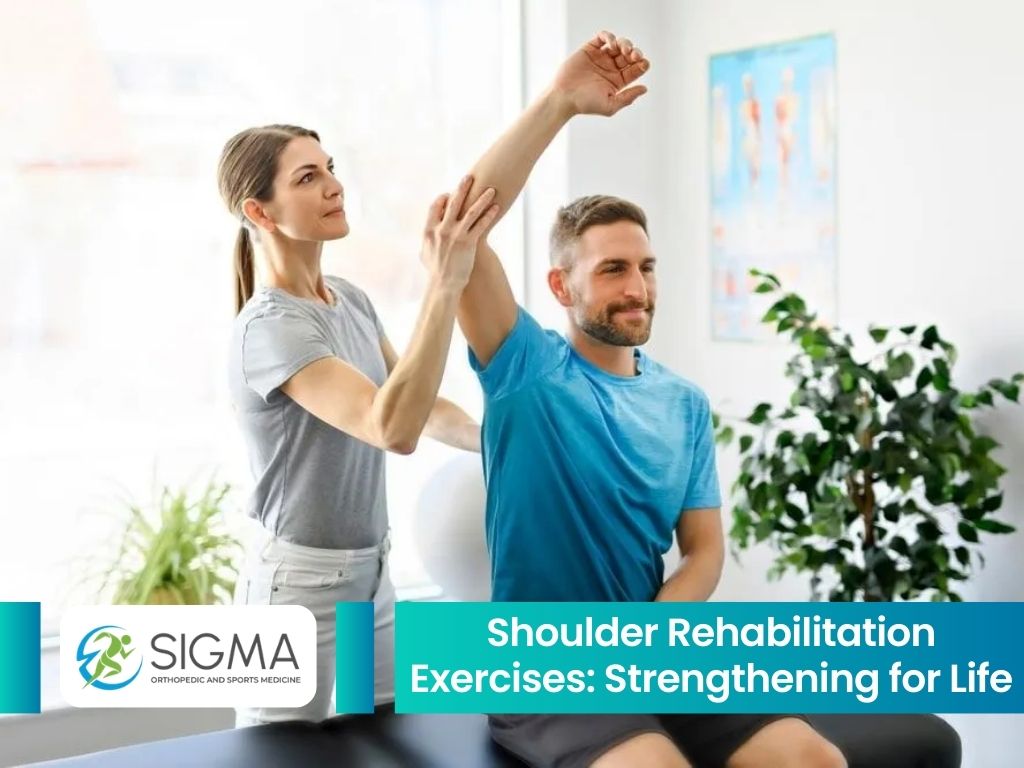
Regardless of the underlying cause, rehabilitation exercises are the cornerstone of shoulder recovery. Proper guidance helps patients regain:
- Strength
- Flexibility
- Range of motion
- Stability for daily and athletic activities
Key exercises often include:
- Pendulum swings
- Internal and external rotation with resistance bands
- Scapular stabilization drills
- Wall slides
Consistency is critical. Even small improvements compound, creating measurable progress that reduces fear of re-injury. SIGMA Orthopedics tracks these outcomes meticulously, giving patients clarity at every step.
Why Choose SIGMA Orthopedics for Shoulder Care
SIGMA Orthopedics stands apart with a multi-specialty, team-based approach. Their philosophy blends surgical precision with data-driven decision-making, ensuring patients receive the right care at the right time. Key differentiators:
- Board-certified specialists with Harvard and international surgical training
- Structured treatment roadmaps from diagnosis to recovery
- Measured outcomes tracking to ensure therapy effectiveness
- Integration of non-surgical, surgical, and regenerative care
- Collaborative care team coordinating across disciplines
Patients don’t just get treatment, they gain clarity, confidence, and measurable recovery timelines, making shoulder pain causes and treatment predictable and effective.
Proven Approach to Shoulder Pain: Pathway to Recovery
At SIGMA Orthopedics, care is never one-size-fits-all. Patient’s experience:
- Consultation & Evaluation – thorough assessment to pinpoint the exact pain source
- Diagnosis & Personalized Plan – tailored treatment combining non-surgical, surgical, or regenerative methods
- Advanced Treatment – evidence-based therapy or surgery when appropriate
- Rehabilitation & Tracking – milestone-based exercises with outcome monitoring
- Return to Function – ongoing guidance ensures long-term joint health
This structured, precision-driven system reduces uncertainty, prevents complications, and maximizes mobility.
Conclusion
Shoulder pain doesn’t have to control your life. Understanding the root causes and accessing targeted, evidence-based treatments makes recovery predictable and achievable. From rotator cuff treatment to shoulder impingement therapy, frozen shoulder recovery, labrum tear treatment, and guided shoulder rehabilitation exercises, the right care restores strength, mobility, and confidence.
Choose SIGMA Orthopedics for a structured, measurable, and collaborative path to recovery. With board-certified specialists, advanced treatments, and outcome-focused protocols, every patient gets clarity, safety, and predictable results.
Call 833-SIGMA MD or Request an Appointment today to start your journey toward pain-free shoulders.
Frequently Asked Questions
What are the most common causes of shoulder pain?
The most frequent causes include rotator cuff tears, shoulder impingement, labrum injuries, frozen shoulder, arthritis, and poor posture. Identifying the exact cause ensures targeted shoulder pain causes and treatment.
How long does frozen shoulder recovery usually take?
Recovery typically ranges from 3 to 12 months. Early and structured shoulder rehabilitation exercises speed progress, minimize stiffness, and improve outcomes.
Can rotator cuff tears heal without surgery?
Many minor tears respond well to rest, physical therapy, anti-inflammatory medications, and activity modification. Surgery is reserved for severe or non-responsive cases.
What is the best treatment for labrum tears?
Treatment depends on severity: mild tears may improve with rehab and strengthening, while more significant tears may require arthroscopic repair combined with structured therapy.
Are injections effective for shoulder pain?
Yes, corticosteroid or regenerative injections can reduce inflammation and pain, especially when combined with physical therapy and rehabilitation exercises.