If you have a hip replacement coming up, the length of the operation is often the first thing you want to know. It helps to think of two separate clocks. One measures the operation itself. The other measures your whole day at the hospital, from the moment you check in to the moment you are settled afterward. This guide walks through both, then covers what you can do in the weeks before surgery to make the day go smoothly.
How long does hip replacement surgery take?
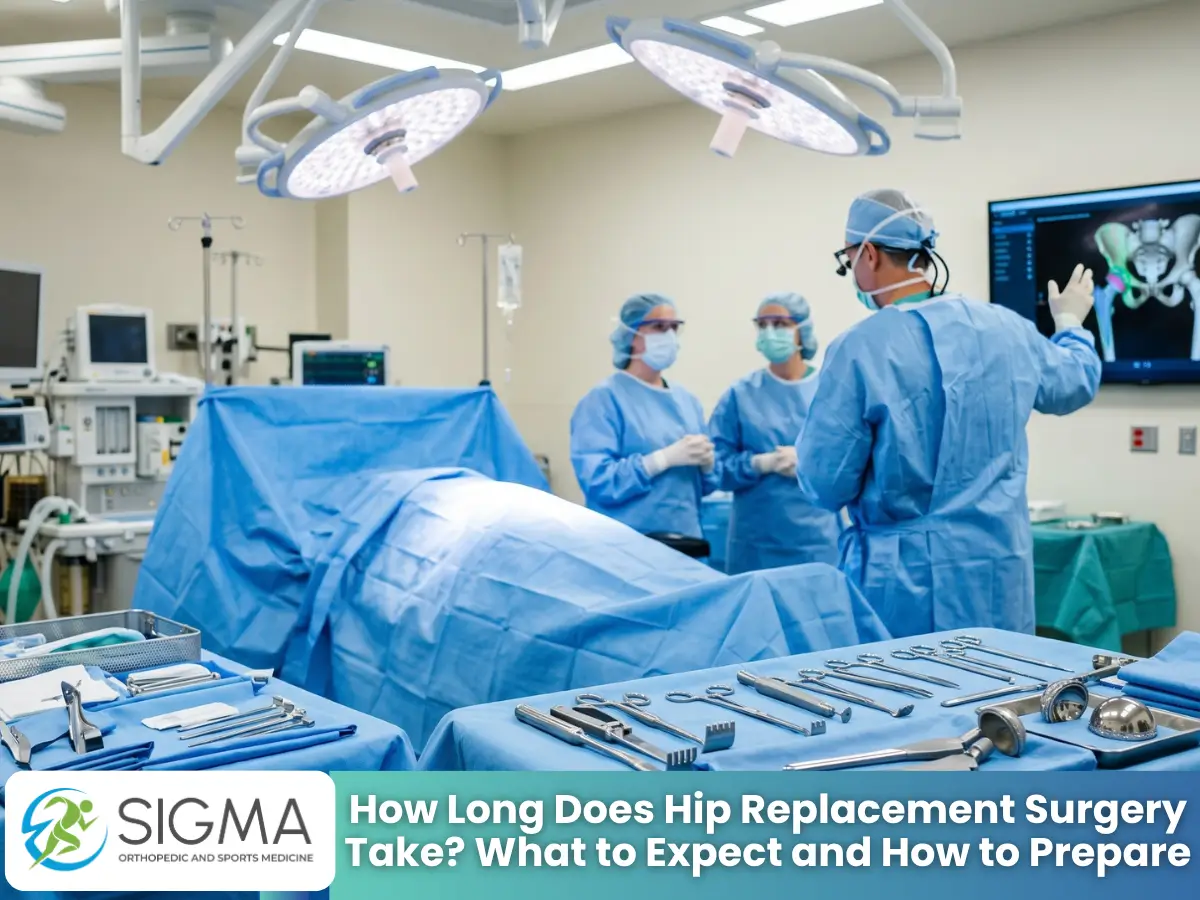
For most people, the operation itself lasts one to two hours. That is the time between the first incision and the final stitch or staple. When people search for hip replacement surgery time, this is usually the number they are after.
Some operations are shorter, and some run longer. A straightforward case in a healthy patient tends to sit at the lower end of the range. Surgeons do not aim to be fast for its own sake, though. The goal is to place the new joint in exactly the right position, check that your leg lengths match, and make sure the hip moves smoothly before closing. Those checks take minutes, and they matter for how the hip feels for years.
Your surgery day, hour by hour

The total hip replacement surgery time on your schedule will look much longer than the operation, because several steps happen before and after it. Here is a typical day. Your hospital or surgery center will give you exact arrival times.
| Stage | What happens | Typical time |
|---|---|---|
| Check-in and pre-op | Paperwork, vital signs, gown, IV line, final questions with your surgeon and anesthesia team | 1 to 2 hours |
| Anesthesia and positioning | Anesthesia is given and you are positioned on the operating table | 20 to 40 minutes |
| The operation | The damaged joint surfaces are removed and the implant is placed | 1 to 2 hours |
| Recovery room | Nurses monitor you as anesthesia wears off and pain is brought under control | 1 to 2 hours |
| Going home or to your room | Same-day discharge for some patients; others stay one or two nights | Varies |
If someone is waiting for you, let them know the hospital may call the surgery “finished” well before they can see you. The recovery room stage is normal and important. A phone charger and something to read make the wait easier.
What can make the operation take longer
The hip replacement operation time can stretch past two hours for reasons that have nothing to do with anything going wrong. Common ones include:
- Previous surgery on the same hip, which can leave scar tissue or old hardware to remove
- Unusual hip anatomy, such as a deformity from childhood hip problems
- Severe arthritis with significant bone loss
- A higher body weight, which can make reaching the joint more involved
- Weaker bone, which may need extra steps to secure the implant
Your surgeon can usually tell you before surgery whether your case is likely to take longer. It is a good question to ask at your pre-op visit.
Do they put you to sleep for hip replacement surgery?
Not always. Many hip replacements are done under spinal anesthesia. The anesthesiologist numbs you from the waist down with an injection in your lower back. You also receive sedation through your IV, so most people drift into a light sleep and remember little or nothing of the operation. You are breathing on your own the whole time.
General anesthesia, where you are fully asleep with your breathing supported, is the other option. Your anesthesia team may recommend it based on your health, your spine, or your preference. Many patients also receive a nerve block or local numbing medicine around the hip to reduce pain in the first hours after surgery.
Both approaches are safe and common. The right choice depends on your medical history, and you will talk it through with the anesthesia team before the day of surgery.
What happens during the operation, step by step
Knowing the sequence can take some of the mystery out of the day. A typical total hip replacement follows these steps:
- Opening the hip. The surgeon makes an incision and reaches the joint, moving or separating muscles depending on the surgical approach.
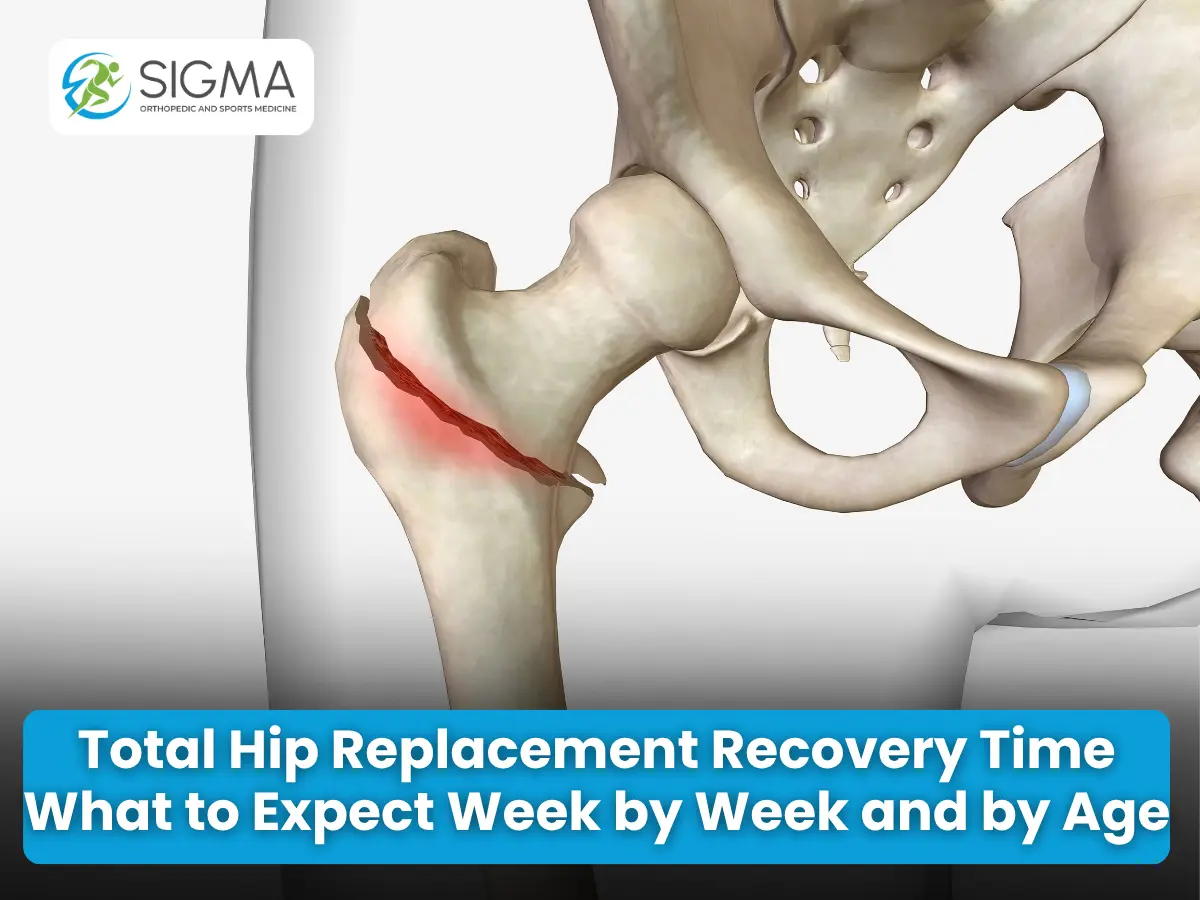
- Removing the damaged ball. The worn top of the thighbone (the femoral head) is removed.
- Preparing the socket. The damaged cartilage in the hip socket is cleared, and a new metal cup is fitted, often with a smooth liner inside.
- Placing the stem. A metal stem is fitted into the thighbone, and a new ball is attached to its top.
- Testing the new joint. The surgeon moves the hip through its range, checks stability and compares leg lengths.
- Closing. The incision is closed and a dressing is applied.
How to prepare in the weeks before surgery

What you do before surgery has a real effect on how surgery day goes and how you feel afterward. Most preparation falls into three areas.
Medical and home preparation
- Pre-surgery clearance. You may need blood tests, an EKG, or a visit with your primary care doctor to confirm you are ready for surgery.
- Medication review. Bring a full list of everything you take, including supplements. Some blood thinners and anti-inflammatory medicines need to be paused before surgery. Only stop a medicine when your care team tells you to.
- Dental work. Finish any planned dental work before surgery, since infections elsewhere in the body can affect a new joint.
- Stop smoking. Smoking slows wound healing. Even a few weeks without it helps.
- Set up your home. Clear walkways of rugs and cords, put everyday items at waist height, and arrange a firm chair with arms. A raised toilet seat, a shower chair and a long-handled grabber can make the first weeks much easier.
- Line up help. Plan for someone to drive you home and stay with you for the first few days.
Pre-op exercises for hip replacement
Stronger muscles going into surgery make it easier to get up and moving afterward. If you are wondering which exercises to do before hip replacement, these simple moves are a good starting point. Check with your surgeon or physical therapist first, and stop any exercise that sharply increases your hip pain.
- Chair push-ups. Sit in a sturdy chair with armrests and press up through your hands until your bottom lifts slightly. This builds the arm strength you will use with a walker or crutches.
- Quad sets. Lie on your back with your legs straight. Tighten the muscle on the front of your thigh, pressing the back of your knee toward the bed, and hold for five seconds.
- Seated knee extensions. Sit in a chair and slowly straighten one knee, hold for a few seconds, then lower it.
- Standing side leg lifts. Hold a counter for balance and slowly lift one leg out to the side, keeping your toes pointed forward.
- Low-impact cardio. A stationary bike with light resistance, pool walking or short walks keep your heart and lungs in shape.
Aim for a few sets of ten on most days, as long as your hip tolerates it. Consistency matters more than intensity.
The night before and the morning of
Follow your team’s instructions about when to stop eating and drinking. These rules exist to keep you safe under anesthesia, so take them seriously. You may be asked to wash with a special antiseptic soap the night before or the morning of surgery. Leave jewelry and valuables at home, wear loose clothes that are easy to put on over a bandage, and bring your ID, insurance card, medication list and any walking aid you have been told to bring.
How SIGMA plans your surgery
At SIGMA Orthopedics, hip replacement is planned before you ever reach the operating room. Through precision surgical planning, Dr. Frank McCormick and his team prepare for your anatomy ahead of the day, so decisions about implant size and position are made deliberately rather than on the fly.
Preparation also extends beyond the operation. SIGMA patients receive guidance on nutrition before surgery, along with tools such as cold therapy and compression devices that support comfort and circulation afterward. Outcomes are tracked with patient-reported measures, so progress can be measured rather than guessed.
What comes after surgery
The operation is one day. Getting your strength and confidence back takes longer, and knowing what to expect helps you plan time off work, help at home and your first weeks of therapy. For a stage-by-stage look at what the following weeks feel like, read our guide to total hip replacement recovery week by week. If hip pain is limiting your life and you want to know whether a hip replacement is right for you, book a consultation with SIGMA Orthopedics.
Frequently asked questions
Can I go home the same day as my hip replacement?
Some patients can. Same-day discharge depends on your overall health, how well your pain is controlled, whether you can walk safely with a walker, and whether you have help at home. Others stay one or two nights in the hospital.
How long will I be in the recovery room?
Most people spend one to two hours in the recovery room while nurses check vital signs, manage pain and wait for anesthesia to wear off. Spinal anesthesia can take a few hours to fully wear off before your legs feel normal again.
Will I feel anything during surgery?
No. Whether you have spinal anesthesia with sedation or general anesthesia, you should not feel pain during the operation. With spinal anesthesia, some people are aware of pressure or sounds, but most are sedated enough to sleep through it.
How far ahead should I start exercising before surgery?
Starting four to six weeks before surgery gives your muscles time to respond, but any amount of safe exercise helps. Even a week or two of daily practice makes the movements feel familiar when you do them again after surgery.
Disclaimer: This content is for informational purposes only and does not constitute medical advice. Always seek the advice of a qualified healthcare provider with any questions you may have regarding a medical condition or before starting any new medication. Never disregard professional medical advice or delay in seeking it because of something you have read in this blog.