
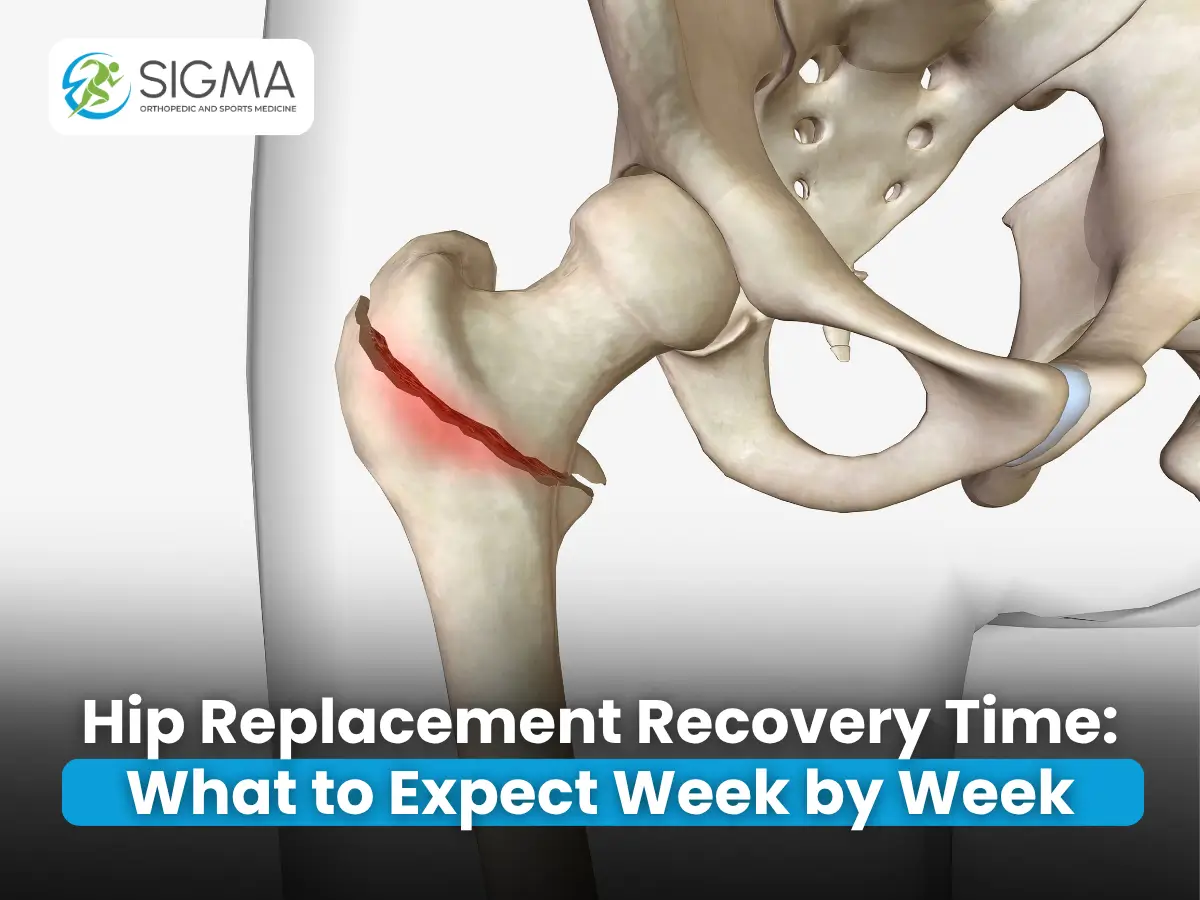
Hip pain has a way of shrinking life without asking permission. One day you’re climbing stairs, the next even standing feels like a negotiation. When the joint finally gives in, hip replacement becomes less of a choice and more of a turning point. Still, the biggest question lingers in almost every patient’s mind: how long is recovery really going to take?
The truth is, hip replacement recovery time isn’t a straight line. It moves like tides, sometimes fast, sometimes frustratingly slow. But when guided properly, the journey is predictable, measurable, and surprisingly empowering.
Is hip replacement major surgery?
Yes, and there’s no sugarcoating it. Hip replacement is considered major surgery because it involves replacing a damaged ball-and-socket joint with an artificial implant.
But major doesn’t mean dangerous in today’s medical world. According to the National Institute of Arthritis and Musculoskeletal and Skin Diseases (NIAMS), hip replacement is one of the most successful orthopedic procedures for restoring mobility and reducing chronic pain.
The real challenge isn’t the surgery itself. It’s what comes after. Most patients don’t struggle because of the operation. They struggle with expectations.
Types of hip replacement
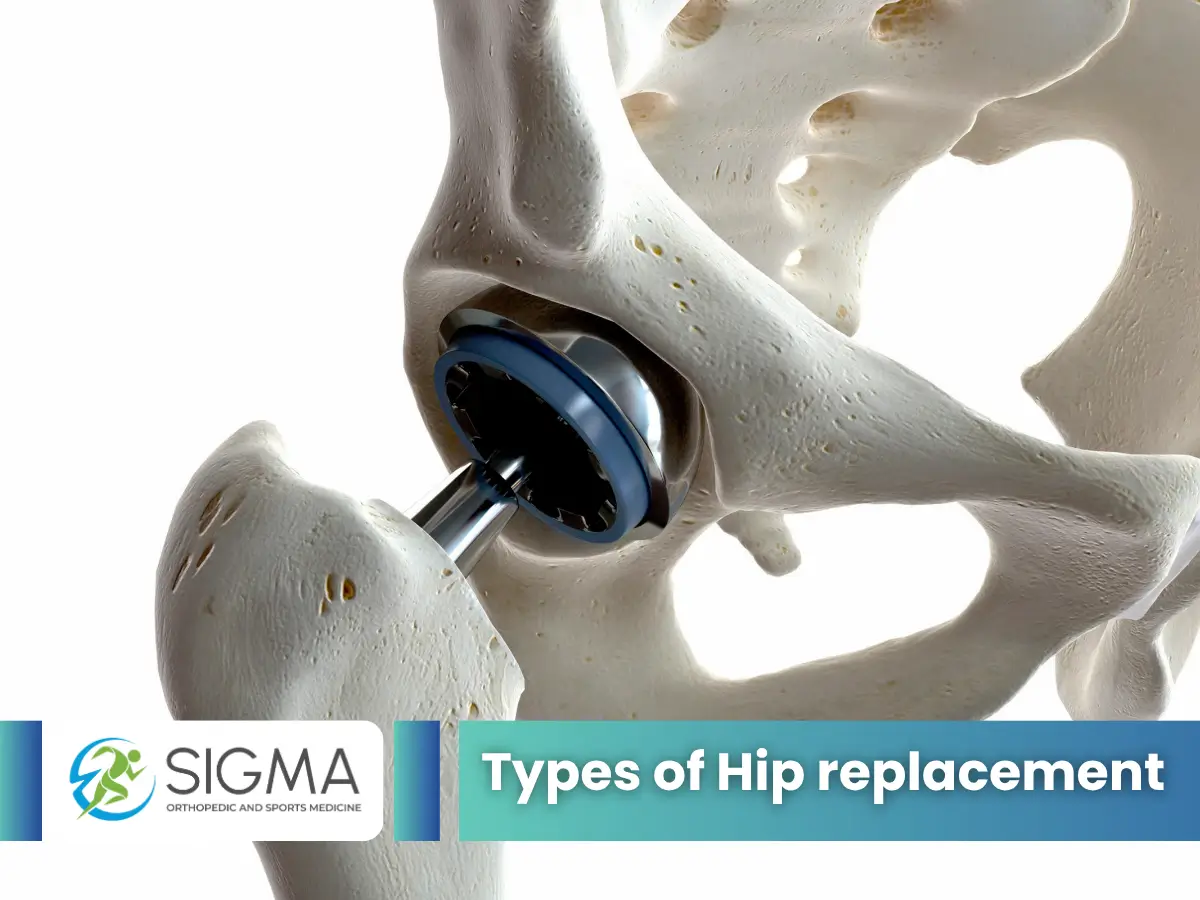
Not all hip replacements are the same. The approach depends on damage, age, and mobility goals.
Total hip replacement
Both the ball and socket are replaced. This is the most common option for severe arthritis or joint collapse.
Partial hip replacement (partial arthroplasty)
Only the femoral head (ball) is replaced. Often used in fractures or localized damage. You may also hear it called partial hip arthroplasty.
Minimally invasive hip replacement
Smaller incisions, less muscle disruption, and faster early mobility, though not suitable for all cases.
Each type slightly changes hip replacement recovery time, but the healing stages remain similar.
Week 1–2: The “wake-up” phase
This is where reality sets in. The surgery is done, but the body is still catching up.
Pain is present but controlled. Most patients are encouraged to stand and take a few assisted steps within 24–48 hours. It feels strange, like learning to walk in a borrowed body.
Expect:
- Swelling around the hip
- Assisted walking with a walker or crutches
- Fatigue that feels heavier than expected
- Pain that improves daily, not instantly
Here, structured rehabilitation matters more than strength.
Even basic movement signals the brain: the joint is safe again.
Week 3–6: The rebuilding phase
This is where progress starts showing its face again.
Walking becomes smoother, sleep improves, and stiffness slowly loosens its grip. Many patients begin physical therapy focused on controlled movement patterns.
This stage often defines long-term outcomes.
Common focus areas:
- Gentle strengthening exercises
- Balance training
- Gradual reduction of walking aids
- Improving hip flexibility
For older adults, especially those searching for hip replacement recovery time 70 year old, this phase may move more slowly but remains highly effective with consistency.
According to the American Academy of Orthopaedic Surgeons (AAOS), early movement significantly reduces complications and improves long-term joint function.
Is hip replacement painful?
The honest answer: yes, but not the kind of pain people imagine.
It’s not sharp agony. It’s more like deep soreness mixed with tightness, especially in the first two weeks.
Pain usually comes from:
- Muscle healing around the joint
- Swelling pressure
- Body adapting to a new mechanical structure
The surprising part? Most patients report that arthritis pain before surgery was far worse than recovery pain.
By week 3, many start saying the same thing: “This is easier than what I was living with before.”
Week 6–12: The freedom phase
This is where life starts feeling normal again, just slightly upgraded.
Walking becomes more natural. Some patients resume driving, light work, and daily routines without assistance.
The focus shifts from healing to rebuilding strength.
Key improvements:
- Better balance
- Reduced stiffness
- Improved endurance
- More natural gait
At this stage, structured physiotherapy becomes less about recovery and more about optimization.
Think of it like tuning an instrument after repair. The structure is fixed; now it just needs refinement.
Double hip replacement recovery time
When both hips are replaced either simultaneously or in stages, recovery becomes more complex.
Simultaneous surgery can shorten overall rehab time but demands more initial support. Staged surgery spreads recovery but extends the total timeline.
Typical expectations:
- First 6 weeks: significantly limited mobility
- 3 months: basic independence restored
- 6 months: near full functional recovery
The key factor is not age alone, but consistency in rehabilitation and overall health condition.
Partial hip replacement recovery insights
With partial procedures like partial hip arthroplasty, recovery is often slightly quicker in the early phase.
Why? Less bone and joint structure is replaced.
However, muscle adaptation and balance training still take time, especially in older adults or fracture-related cases.
The body doesn’t care how advanced the surgery is. It cares how well you retrain movement.
3–6 months: The silent strengthening phase
This stage doesn’t feel dramatic, but it’s crucial. You’re walking, living, moving, but internal strength is still developing. Muscles around the hip are stabilizing the new joint.
Skipping rehab here is like stopping halfway through building a bridge.
Focus areas:
- Endurance walking
- Strength training
- Stability exercises
- Returning to low-impact activities
Patients often underestimate this phase because pain is mostly gone. But function is still evolving.
Is hip replacement major surgery? Long-term perspective
Medically, yes, but functionally transformative.
Most long-term studies show high success rates, with significant improvement in quality of life, especially when rehab is followed properly.
The National Institutes of Health (NIH) highlights that hip replacement dramatically improves mobility and reduces chronic pain in patients with severe arthritis.
Why choose Sigma Orthopedics?

Recovery is not just about surgery. It’s about structure.
At Sigma Orthopedics, the approach is built around precision and predictability. Instead of guessing recovery timelines, patients move through a defined pathway.
What sets it apart:
- Board-certified orthopedic specialists
- Structured recovery roadmaps
- Measured outcome tracking
- Team-based rehabilitation planning
- Integration of surgical and non-surgical expertise
This isn’t just treatment. It’s guided recovery with accountability at every step.
Patients aren’t left wondering what’s next. They’re shown.
Conclusion
Hip replacement recovery time isn’t just a medical timeline. It’s a personal rebuild.
Week by week, the body relearns trust, movement, and strength. The early days feel slow, sometimes uncertain, but progress compounds quietly. Then one day, stairs stop feeling like obstacles, and walking stops feeling like effort.
That’s the shift patients wait for.
With structured care, clear guidance, and disciplined rehabilitation, recovery becomes less about limitation and more about return.
If hip pain is already shaping your daily life, it’s time to take control of the next chapter.
Call 833-SIGMA MD or request an appointment with Sigma Orthopedics and start a recovery plan designed around clarity, precision, and measurable results.
Frequently Asked Questions
What is the average hip replacement recovery time?
Most patients recover basic mobility within 6–12 weeks, while full recovery may take 3–6 months, depending on health and rehabilitation consistency.
How long does it take for a 70-year-old to recover?
For older adults, especially those searching for hip replacement recovery time 70 year old, recovery may take slightly longer, often 3–6 months for full function.
Can I walk after hip replacement surgery?
Yes, most patients begin assisted walking within 24–48 hours after surgery to support faster recovery and prevent stiffness.
When can I drive after a hip replacement?
Many patients can resume driving within 4–6 weeks, depending on strength, reaction time, and doctor approval.
What slows down hip replacement recovery?
Lack of physiotherapy, poor mobility habits, excess weight, and medical conditions like diabetes can slow healing and recovery progress.