
Understanding the Meniscus
The knee contains two pieces of cartilage called menisci. These structures sit between the thigh bone and shin bone. Their main job is to absorb shock and stabilize the joint. They also help distribute weight evenly during movement. Without healthy cartilage, the bones experience more stress. As a result, pain and joint irritation become more likely. The meniscus also supports smooth knee motion. Therefore, even a small injury can affect walking, bending, or twisting. According to Johns Hopkins Medicine, healthy meniscus tissue plays an important role in protecting the knee joint from excessive wear.
What Is a Meniscus Tear?
A meniscus tear occurs when the cartilage inside the knee becomes damaged. The injury may involve a small frayed area or a larger split in the tissue. In younger people, tears often happen suddenly during sports. Twisting the knee while the foot stays planted is a common cause. Older adults may develop tears gradually. Over time, cartilage weakens and becomes easier to damage during everyday movement. The severity of the injury varies widely. Some tears remain small and stable, while others interfere with normal knee function. The American Academy of Orthopaedic Surgeons explains that meniscus injuries are among the most common knee conditions in both athletes and older adults.
Common Meniscus Tear Symptoms
Recognizing meniscus tear symptoms early helps prevent further joint damage. However, symptoms differ depending on the size and location of the injury. Pain is usually the first noticeable issue. Many people feel discomfort along the inner or outer side of the knee. Swelling often appears within several hours after the injury. In some cases, swelling develops more gradually over the next day. Another common problem involves limited movement. The knee may feel stiff or difficult to bend fully. Some people also experience a locking sensation. This happens when damaged cartilage interferes with smooth joint movement.
In addition, clicking or popping sounds may occur during activity. These signs suggest irritation inside the joint. Weakness and instability are also possible. Many patients describe the feeling that the knee may suddenly give out. Athletes often seek evaluation fromsports injury experts after sudden knee twisting injuries.
Knee Cartilage Tear Symptoms That Should Not Be Ignored
Certain warning signs deserve immediate medical attention. Persistent symptoms can indicate more significant joint damage.
Important knee cartilage tear symptoms include:
- Ongoing swelling that does not improve
- Difficulty straightening the knee
- Pain during twisting movements
- Joint locking during walking
- Sudden knee instability
These symptoms may affect sports performance, exercise, and even normal daily tasks.
Causes of Meniscus Injury
Sports and Meniscus Injuries
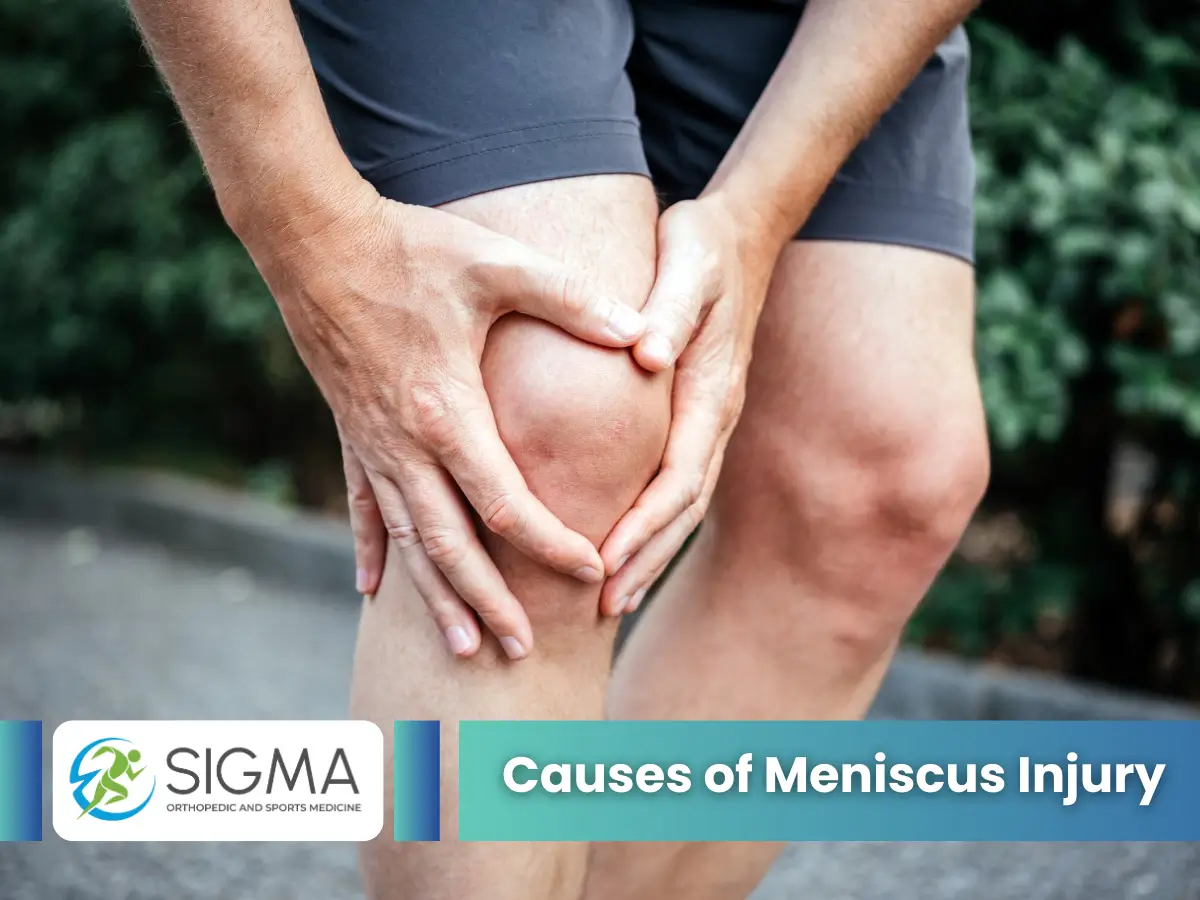
Sports-related injuries are especially common in younger adults. Quick turns and sudden stops create strong rotational force within the knee. Athletes often injure the meniscus during contact situations. However, non-contact twisting injuries happen frequently as well. Poor landing technique also raises injury risk. Therefore, strength training and proper movement mechanics play an important role in prevention. Coaches and trainers should recognize early warning signs. Prompt evaluation helps reduce the chance of worsening damage. Following effectivesports medicine tips can also help reduce knee injury risk during training and competition.
Degenerative Meniscus Tears in Older Adults
Not all tears result from major injuries. In many older adults, the cartilage slowly weakens with age. Over time, years of joint stress reduce tissue flexibility. As a result, the meniscus becomes more vulnerable to damage. Simple movements like kneeling or standing may trigger pain. Some people cannot identify a specific injury event at all. Degenerative tears are common after age forty. However, symptoms still vary from person to person. Many patients researchingmeniscus repair over age 50 want to understand how age affects treatment decisions and joint health. Research from the National Institutes of Health also shows that aging cartilage becomes more vulnerable to degeneration and tearing.
How Doctors Diagnose a Meniscus Tear
MRI and Imaging Tests
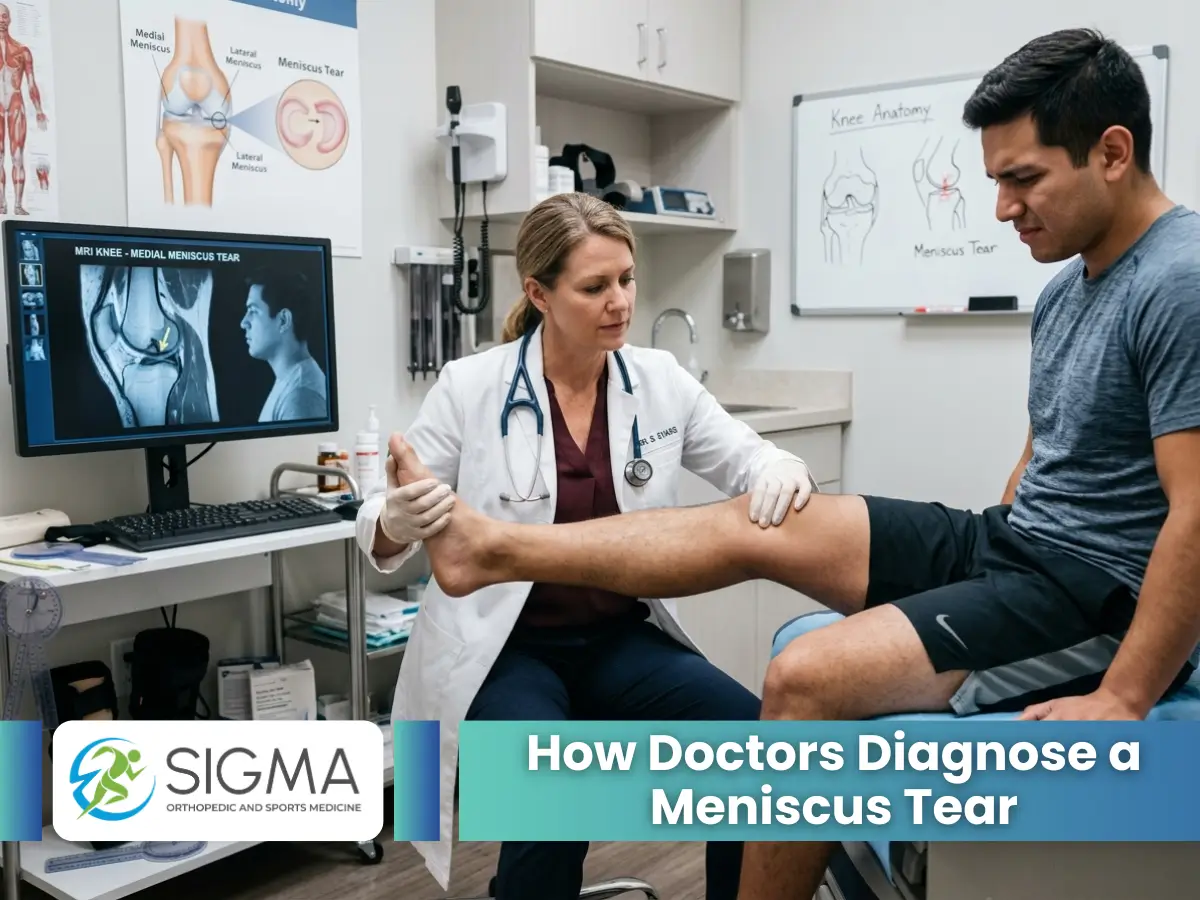
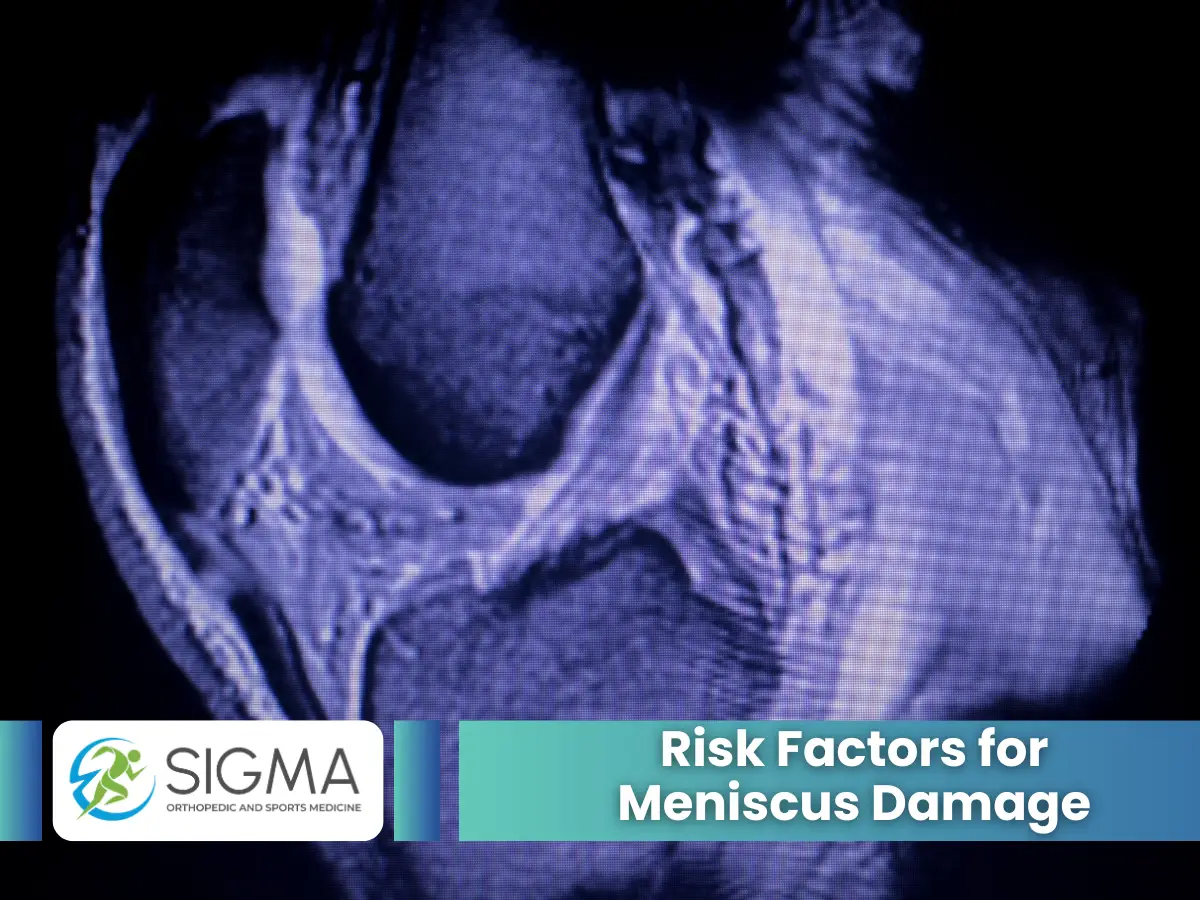
MRI scans provide detailed images of soft tissue structures inside the knee. Therefore, they remain the most reliable tool for identifying meniscus injuries.
The scan helps determine:
- Tear location
- Tear size
- Tissue condition
- Associated joint damage
In some cases, X-rays are also performed. Although they cannot show cartilage tears directly, they help rule out arthritis or fractures. Ultrasound may occasionally assist in evaluation as well. The Cleveland Clinic explains that MRI imaging remains one of the most accurate tools for confirming cartilage injuries.
Why Early Diagnosis Matters
Many people delay evaluation because symptoms seem manageable at first. However, untreated cartilage injuries may worsen over time. A small tear can gradually become larger. In addition, ongoing instability increases stress across the entire joint. Delayed treatment may also contribute to long-term joint wear. Therefore, early diagnosis often improves overall outcomes. Athletes especially benefit from early assessment. Prompt care supports safer return to activity and reduces reinjury risk.
Conditions That Mimic a Meniscus Tear
Several knee problems produce similar symptoms. Therefore, professional evaluation is important. Ligament injuries sometimes cause instability and swelling. Arthritis may also create stiffness and pain during movement. In addition, tendon irritation around the knee can resemble cartilage damage. Because symptoms overlap, imaging and physical examination help identify the true cause.
Risk Factors for Meniscus Damage
Preventing Meniscus Injuries
Although some injuries cannot be avoided, prevention strategies still help reduce risk. Strong leg muscles improve joint support and control. Therefore, regular strengthening exercises are beneficial. Flexibility also plays an important role. Tight muscles can alter movement mechanics and increase joint stress. Athletes should focus on proper technique during training. Good form reduces excessive twisting force inside the knee. Warming up before activity is equally important. It prepares muscles and joints for movement demands. Targeted patellar tracking disorder exercises may also improve knee stability and movement control.
Living With a Meniscus Tear
Some people continue daily activities despite mild symptoms. However, others struggle with walking, climbing stairs, or exercise. The impact depends on the severity and location of the injury. Small tears may remain manageable for long periods. Larger tears often interfere with normal movement patterns. In addition, repeated irritation may increase swelling and discomfort. Understanding the condition helps patients make informed decisions about care and activity levels. Patients considering future procedures should also understand thelong-term side effects of meniscus surgery before making treatment decisions.
When to See a Specialist
Persistent knee symptoms should never be ignored. Medical evaluation becomes important when pain affects normal movement.
You should seek professional care if:
- Swelling continues for several days
- The knee locks repeatedly
- Walking becomes difficult
- Pain interferes with daily activities
- Instability increases during movement
Early assessment often prevents additional joint damage.
Final Thoughts
A meniscus tear can affect every part of daily life, from walking to exercise and work activities. While some injuries remain mild, others create lasting instability and pain. Recognizing symptoms early allows faster diagnosis and better treatment planning. In addition, understanding the causes helps reduce future injury risk. Modern imaging and physical evaluation make diagnosis more accurate than ever. As a result, patients receive more targeted care based on their specific condition. At Sigma Orthopedics and Sports Medicine, patients receive focused orthopedic care designed to improve knee function, mobility, and long-term joint health through accurate diagnosis and personalized treatment planning.
Call to Action
If knee pain, swelling, or locking affects your daily activities, professional evaluation can help identify the cause. Patients seeking advanced orthopedic care can contact Sigma Orthopedics today to discuss symptoms and explore the right treatment options.
Frequently Asked Questions
What does a meniscus tear feel like?
Many people feel pain along the side of the knee. In addition, swelling, stiffness, and locking sensations are common.
Can a meniscus tear happen without sports?
Yes, age-related cartilage wear can lead to tears during simple daily movements.
How is a meniscus tear diagnosed?
Doctors use physical examination and imaging tests like MRI scans to confirm the injury.
What activities make symptoms worse?
Twisting, squatting, running, and deep bending often increase knee discomfort and instability.
Is swelling always present with a meniscus tear?
Not always. Some tears cause immediate swelling, while others develop symptoms gradually over time.