
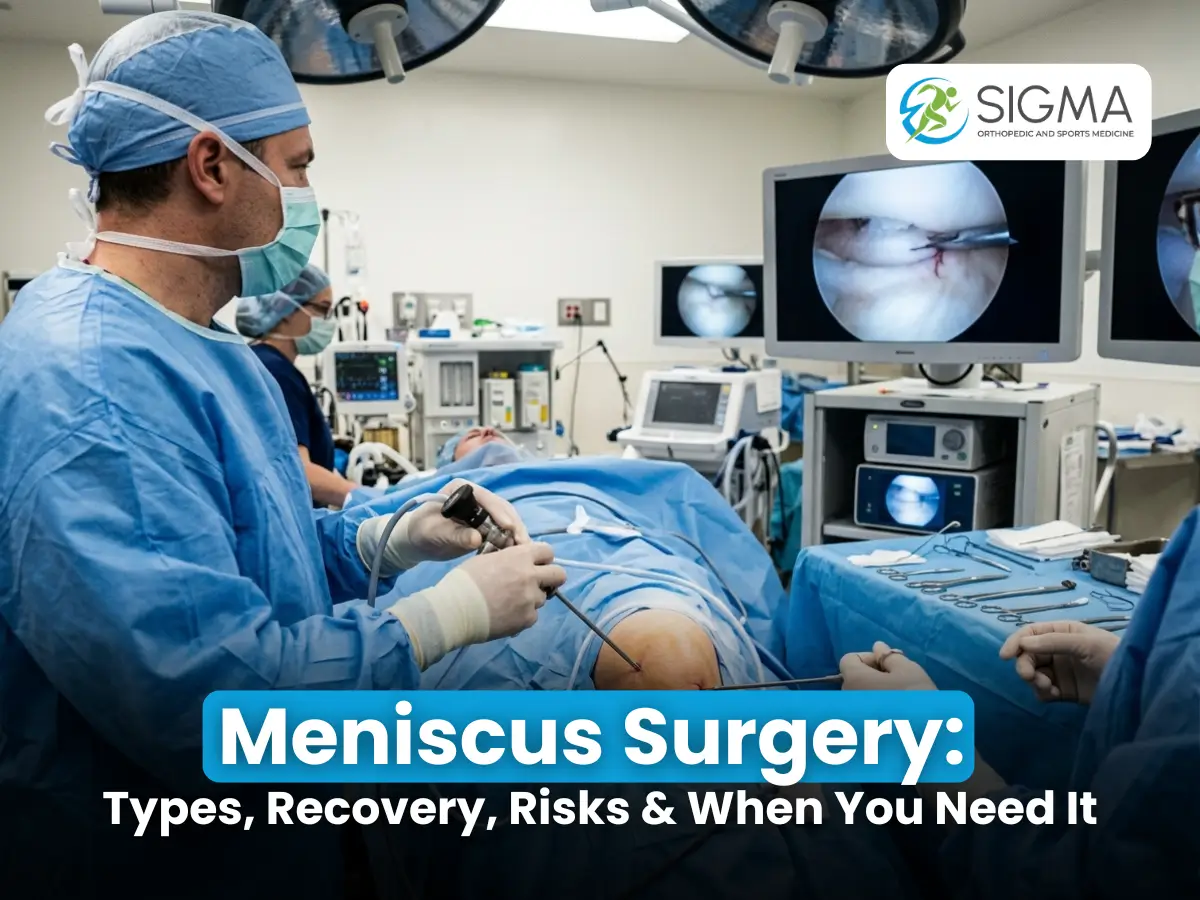
A simple knee twist can change how you move for months. One moment feels normal, yet the next brings pain, stiffness, and limited motion. When this happens, many people start considering meniscus surgery to restore normal knee function.
This procedure focuses on repairing or removing damaged cartilage inside the joint. As a result, it helps improve stability and reduce discomfort. However, many patients feel unsure about what the process involves and whether it is necessary.
So, this guide explains everything in clear terms. You will understand how the procedure works, what types exist, and what to expect before and after treatment.
What Is Meniscus Surgery?
Meniscus surgery treats damage to the cartilage that cushions the knee joint. This cartilage acts as a buffer between the thigh bone and shin bone. When it tears, movement becomes painful and less stable.
Doctors perform surgery to either repair the tear or remove the damaged portion. According to the Cleveland Clinic, an orthopaedic surgeon will either repair or remove the damaged section of the meniscus, with the goal of restoring stability and reducing pain. In most cases, surgeons use arthroscopic meniscus surgery, which involves small tools and a camera. Therefore, the procedure causes less disruption to surrounding tissue.
Understanding the Role of the Meniscus
The knee contains two menisci that support smooth movement. They distribute weight evenly across the joint and protect the bones from direct contact.
However, when the cartilage is damaged, the joint loses balance. As a result, stress increases on the surrounding structures. Over time, this can lead to further joint problems if not addressed.
The American Academy of Orthopaedic Surgeons (AAOS) notes that meniscus tears are among the most common knee injuries, affecting athletes and non-athletes alike at any age. Athletes often experience sudden injuries, while older adults may develop tears gradually. In both cases, proper treatment helps maintain joint function.
When Is Surgery Necessary?
Not every knee issue requires surgery, yet some conditions make it the best option. The decision depends on how the injury affects your movement and daily life.
Surgery becomes more likely when the knee locks during movement or fails to move smoothly. In addition, persistent swelling and ongoing pain often signal deeper structural problems. The Mayo Clinic advises that if the knee remains painful despite rehabilitative therapy, or if locking occurs, surgical intervention may be the right next step.
Active individuals often choose surgery sooner because they need full knee stability. If you are unsure what is causing your knee pain and whether surgery is warranted, understanding the best treatment options for knee pain backed by research can help you have a more informed conversation with your doctor.
Types of Meniscus Surgery
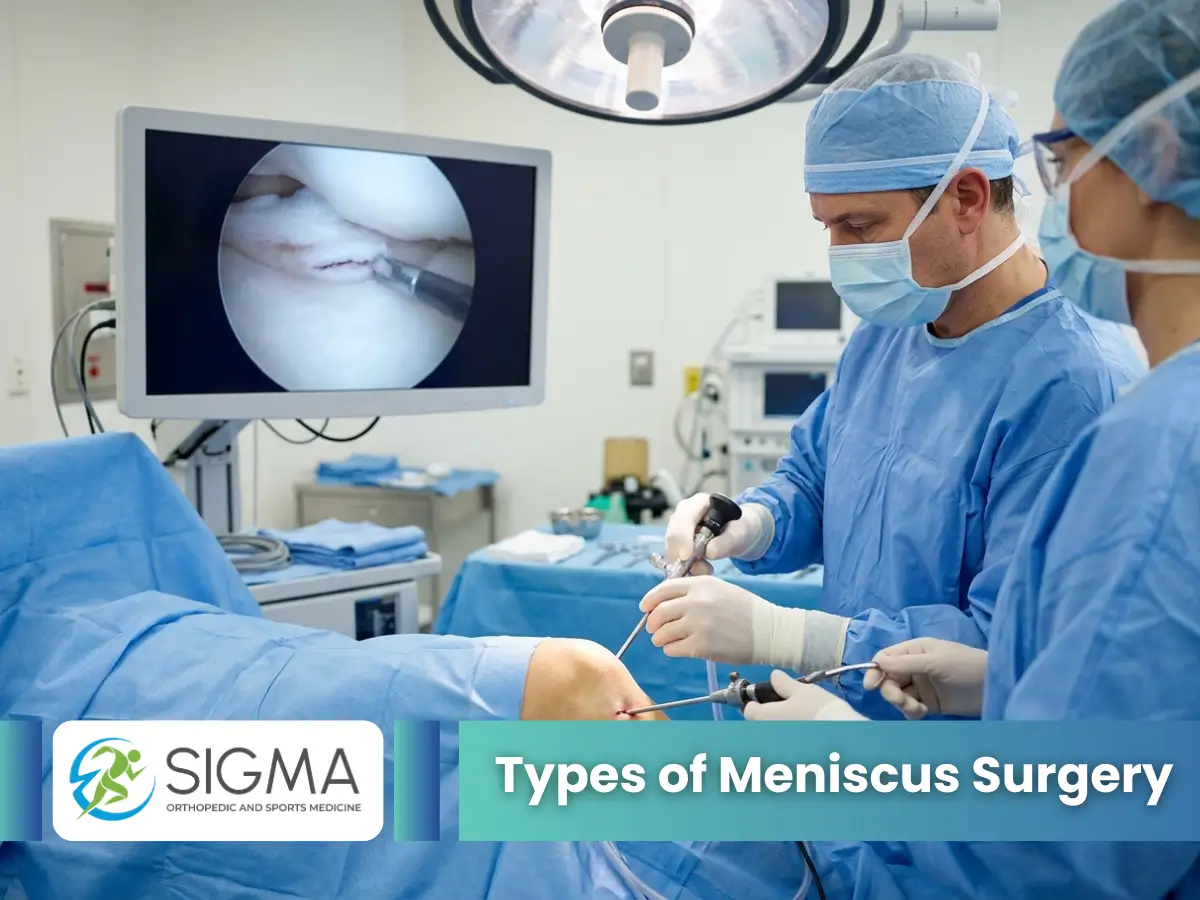
The type of procedure depends on the tear pattern and tissue condition. Surgeons aim to preserve as much healthy cartilage as possible.
Meniscus Repair Surgery
Meniscus repair surgery focuses on stitching the torn cartilage back together. This approach keeps the natural structure intact, which supports long-term joint health.
However, not all tears can be repaired. The AAOS explains that repair is typically reserved for tears in zones with good blood supply, as these areas have a higher capacity to heal. When healing conditions are favorable, this option provides strong long-term results.
Partial Removal of Damaged Tissue
In some cases, the damaged section cannot be repaired. Therefore, the surgeon removes only the torn portion while preserving healthy cartilage.
This method relieves pain and improves movement quickly. However, it does reduce some cushioning within the joint. Research published on the NIH’s National Library of Medicine highlights that resecting too much meniscal tissue can accelerate cartilage degeneration over time, which is why surgeons take a conservative approach to removal.
Complete Removal in Rare Cases
Full removal of the meniscus is rarely recommended today. Doctors avoid it because it increases long-term joint stress. However, in severe cases where the tissue cannot be saved, it may be necessary.
How Arthroscopic Meniscus Surgery Works
Modern procedures rely on minimally invasive techniques. Arthroscopic meniscus surgery uses a small camera to guide the surgeon inside the joint.
First, tiny incisions are made around the knee. Then, the camera provides a detailed view of the internal structures. After that, specialized tools repair or remove the damaged tissue.
Finally, the incisions are closed, and the knee is protected for healing. Because the procedure is precise, it reduces trauma to surrounding tissue. The Cleveland Clinic notes that knee arthroscopy is a well-established minimally invasive technique that allows surgeons to diagnose and treat a wide range of knee conditions through small keyhole-sized incisions, with a faster recovery compared to traditional open surgery.
Benefits of a Minimally Invasive Approach
This technique offers clear advantages compared to traditional surgery. Patients often experience less discomfort and faster improvement.
Since the incisions are small, scarring remains minimal. In addition, the risk of infection is lower. Most importantly, the surgeon gains a clear view of the joint, which improves accuracy during treatment.
As a result, many patients return to daily activities sooner than expected. You can also explore how sports medicine injury prevention strategies can support your overall knee health before and after a procedure.
Risks and Complications
Although the procedure is considered safe, some risks still exist. These risks are generally low but should be understood before making a decision.
In some cases, infection may develop at the surgical site. Additionally, stiffness can occur if the joint is not moved properly during recovery. There is also a small chance that the tissue may not heal as expected.
For a broader perspective on warning signs to watch for after any knee surgery, reviewing what bad signs to look for after ACL surgery is a useful reference, as many post-operative red flags overlap across knee procedures.
Therefore, following medical advice is essential. Proper care reduces complications and improves overall results.
Preparing for Surgery
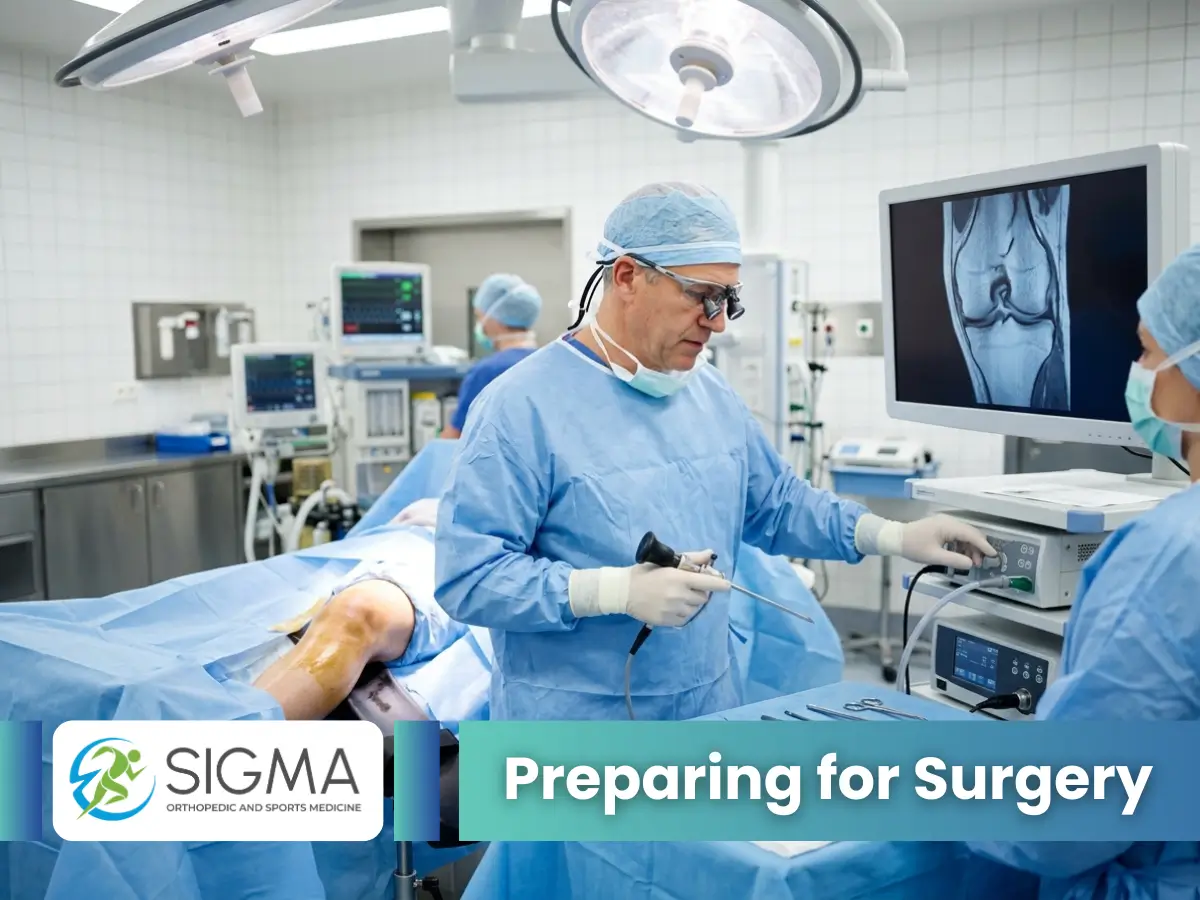
Preparation plays an important role in successful outcomes. Doctors usually begin with a physical exam and imaging tests.
These tests help determine the exact location and severity of the tear. According to the Mayo Clinic, MRI is the preferred diagnostic tool for meniscus tears because it provides a high level of accuracy in assessing soft tissue damage inside the knee. In addition, your doctor will review medications and overall health.
You should also plan for support at home. This helps during the first few days after the procedure.
What Happens on the Day of Surgery?
On the day of surgery, the medical team prepares you for the procedure. Anesthesia is given to ensure comfort during the operation.
The surgeon then performs the arthroscopic procedure using small instruments. After completion, you are moved to a recovery area.
Most patients return home the same day. However, rest and proper care are essential in the early phase.
Rehabilitation After Surgery
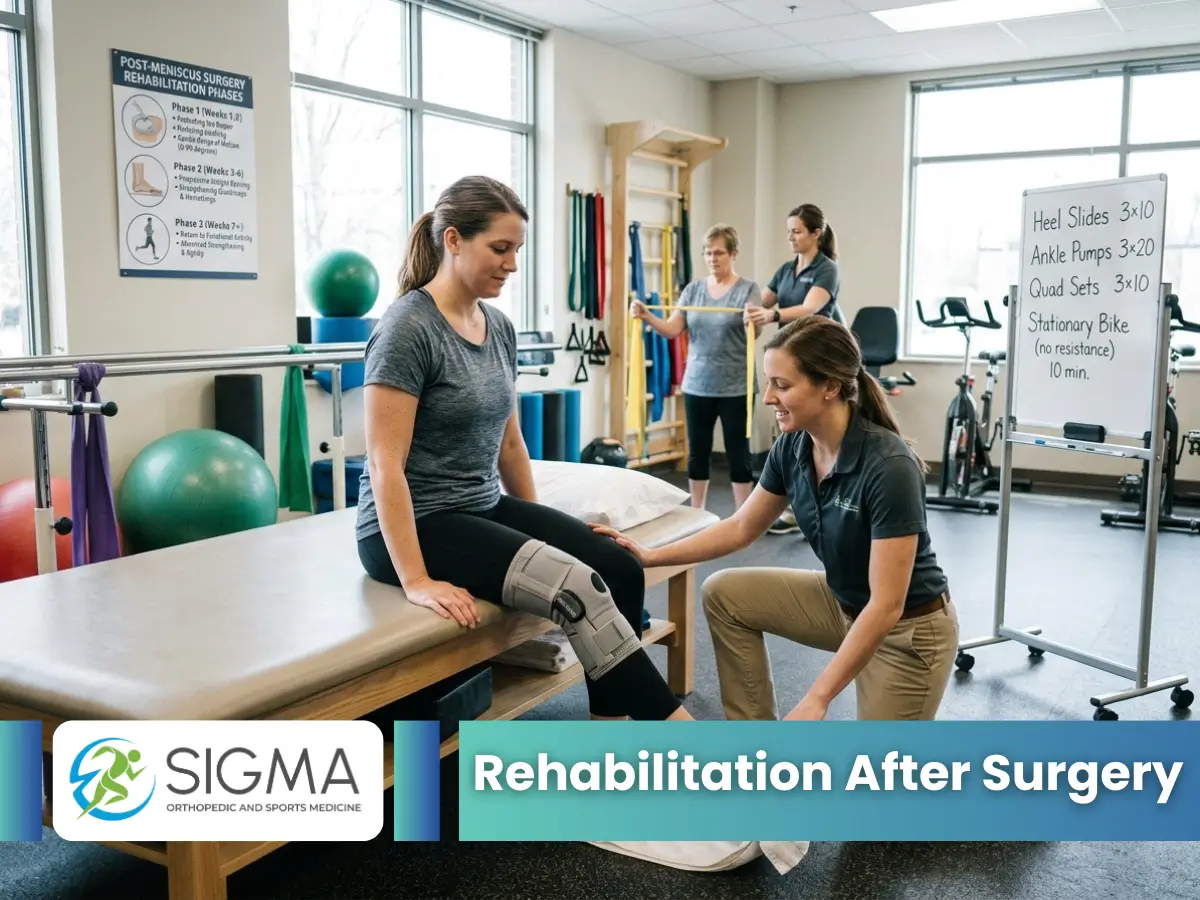
Recovery involves gradual movement and strengthening. At first, the knee must be protected to allow healing.
Soon after, guided exercises begin to restore mobility. These exercises help improve flexibility and joint stability.
As healing progresses, strength training becomes part of the routine. Consistency is important because it directly affects long-term results. Understanding how to prevent arthritis after meniscus surgery is also a key part of planning a smart rehabilitation approach that protects the joint long-term.
Returning to Daily Activities
The timeline for returning to normal activities varies. It depends on the type of procedure and the severity of the injury.
Some patients resume light activity within a few weeks. However, full recovery takes longer and requires patience.
Athletes and active individuals may need additional rehabilitation before returning to high-impact movements. It is also worth understanding the long-term side effects of meniscus surgery so that recovery expectations are realistic from the start.
Who Benefits Most from Surgery?
Surgery is most helpful for people whose knee function is significantly limited. Those who experience instability or restricted movement often benefit from intervention.
The AAOS notes that optimal candidates for meniscal repair are typically active patients with minimal cartilage wear or arthritis, as these individuals tend to have the best healing conditions and surgical outcomes.
Doctors evaluate each case carefully before recommending surgery.
Long-Term Knee Care
After recovery, maintaining knee health becomes essential. Strengthening the muscles around the joint helps improve stability.
Good posture and proper movement also reduce stress on the knee. In addition, warming up before physical activity lowers the risk of future injury.
These habits support long-term joint function and reduce the chance of repeat problems. Research from the NIH confirms that preserving meniscal tissue through repair — rather than removal — is associated with better cartilage protection and reduced long-term joint degeneration.
Common Misconceptions
Many people assume surgery always removes the meniscus. However, surgeons try to preserve it whenever possible.
Others believe recovery is extremely difficult. In reality, most patients manage well with proper guidance.
There is also a belief that activity must stop permanently. On the contrary, many patients return to active lifestyles after healing. If you are over 50 and concerned about recovery, learning about meniscus repair for patients over 50 can give you a realistic and reassuring picture of what to expect.
Final Thoughts
Meniscus surgery remains a reliable solution for knee pain caused by cartilage damage. It focuses on restoring stability and improving movement.
Modern techniques allow precise treatment with minimal disruption. As a result, patients experience better outcomes and faster progress.
However, understanding the procedure is key to making the right decision. When you know what to expect, the process becomes less stressful and more manageable.
If knee pain affects your movement and daily life, expert care can help you move forward. Contact Sigma Orthopedics today to explore the right treatment option for your condition and recovery goals.
Frequently Asked Questions
1. What is meniscus surgery used for?
Meniscus surgery is used to treat damaged knee cartilage. It helps restore smooth movement and improve joint stability during daily activities.
2. How is arthroscopic meniscus surgery performed?
The surgeon uses small incisions and a camera to view the knee joint. Then, specialized tools repair or remove the damaged cartilage.
3. What is the difference between repair and removal procedures?
Repair focuses on stitching the cartilage back together. Removal involves trimming the damaged portion while keeping healthy tissue intact.
4. Is meniscus surgery considered safe?
Yes, it is generally safe. However, like any procedure, it carries small risks such as infection or stiffness.
5. When can I start walking after surgery?
Many patients begin walking with support shortly after the procedure. However, full weight-bearing depends on the type of repair and doctor guidance.