
Shoulder pain can stop your daily life without warning. Simple tasks suddenly feel difficult and frustrating. If pain continues, many people consider arthroscopic rotator cuff surgery as a solution.
This modern approach helps repair damaged shoulder tissue using small tools. It offers less pain and quicker healing than older methods. However, many patients still feel unsure about what happens before, during, and after the procedure.
So, this guide explains everything in simple terms. You will learn how the procedure works and who needs it. You will also understand the benefits, risks, and expected results.
What Is Arthroscopic Rotator Cuff Surgery?
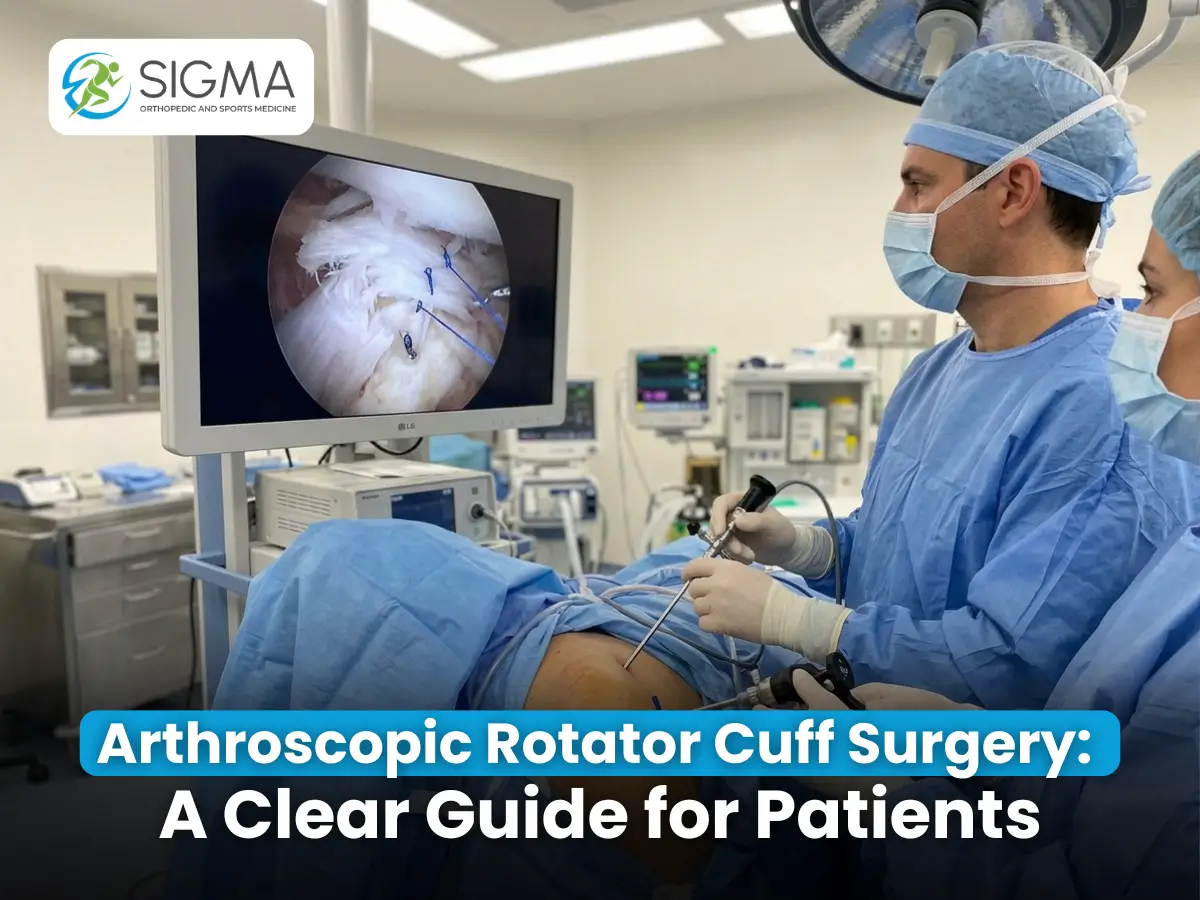
Arthroscopic rotator cuff surgery is a technique used to fix torn shoulder tendons. Surgeons perform it using small incisions and a tiny camera.
The camera shows clear images of the joint on a screen. As a result, the surgeon works with precision and minimal disruption.
This method is part of minimally invasive shoulder surgery, which reduces damage to nearby tissue. Therefore, patients often experience less pain and faster healing.
Understanding the Rotator Cuff
The rotator cuff is a group of muscles and tendons. These structures hold your shoulder joint in place.
They help you lift, rotate, and stabilize your arm. However, injury or wear can cause tears in these tendons.
According to the National Institutes of Health (NIH), rotator cuff tears are among the most common causes of shoulder pain and disability in adults. As a result, you may feel pain, weakness, or stiffness. Daily activities like lifting or reaching become difficult.
When Do You Need This Procedure?
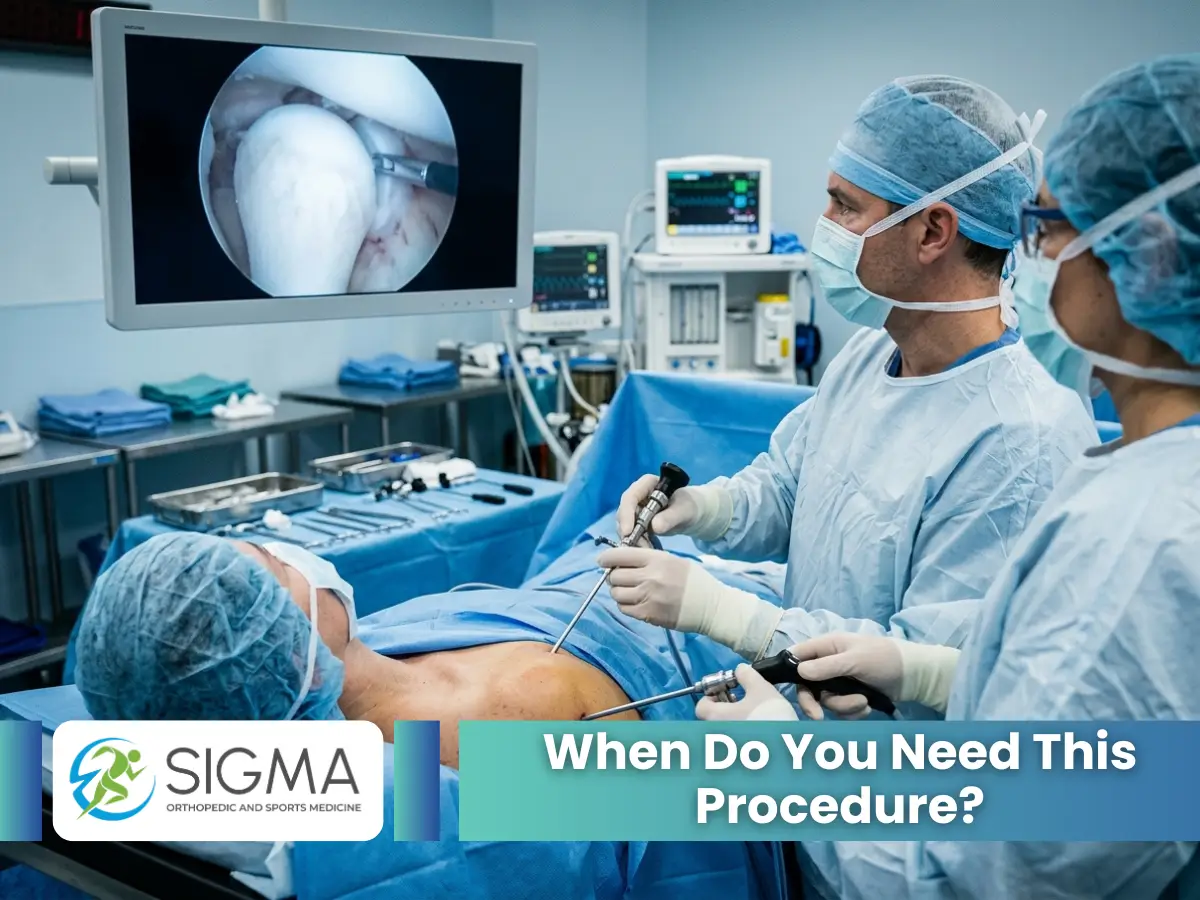
Doctors usually recommend surgery when other methods fail. However, the decision depends on your symptoms and lifestyle.
You may need this procedure if:
- Shoulder pain lasts for months
- Arm weakness affects daily tasks
- You cannot lift your arm fully
- Night pain interrupts your sleep
- Imaging shows a significant tendon tear
In addition, active individuals often choose surgery sooner. This helps them return to normal activity levels. If you are unsure whether you need surgery, learning about common shoulder pain causes and proven treatments can help you understand your options first.
How the Shoulder Arthroscopy Procedure Works
The shoulder arthroscopy procedure follows a clear and careful process. It usually takes one to two hours.
First, the surgeon makes small cuts around the shoulder. Then, they insert a camera called an arthroscope.
Next, they examine the joint in detail. This step helps confirm the exact problem.
After that, the surgeon uses special tools to repair the tendon. The torn tissue is reattached to the bone using anchors.
Finally, the incisions are closed with stitches. A dressing is applied to protect the area.
The American Academy of Orthopaedic Surgeons (AAOS) outlines that arthroscopic techniques are now the preferred standard for most rotator cuff repairs due to their precision and patient outcomes.
Types of Rotator Cuff Repair Technique
There are different methods used during repair. The choice depends on the tear size and condition.
1. Single-Row Repair
In this method, the tendon attaches to the bone using one row of anchors. It is simple and effective for smaller tears.
2. Double-Row Repair
This method uses two rows of anchors. It creates a stronger hold and better tendon contact.
3. Suture Bridge Technique
This approach improves stability further. It spreads the tendon across the bone for better healing.
Each rotator cuff repair technique has its benefits. Therefore, the surgeon selects the best option for your condition. Research published in the Journal of Bone and Joint Surgery indicates that double-row repairs may offer superior structural outcomes for larger tears compared to single-row techniques.
Benefits of Arthroscopic Approach
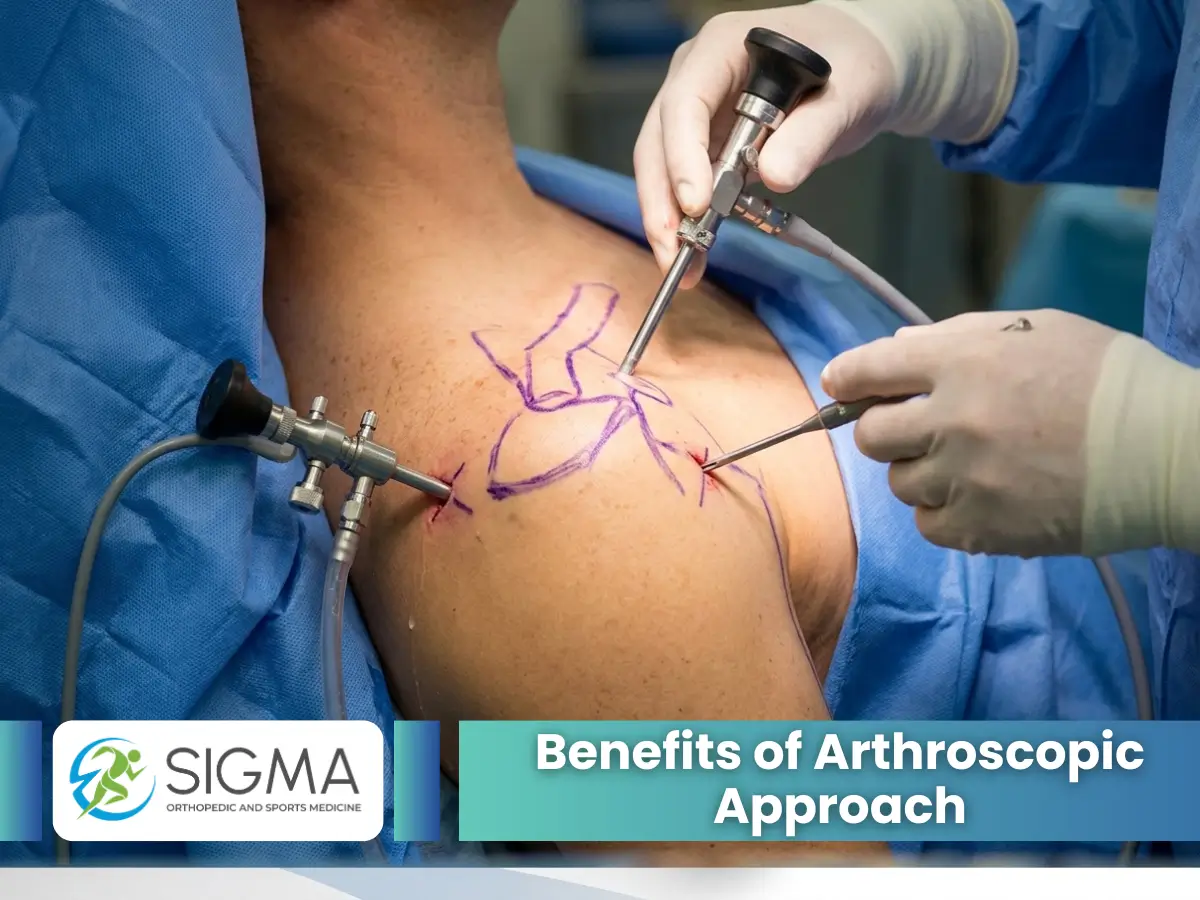
procedure offers several clear advantages. Many patients prefer it over traditional methods.
- Smaller incisions reduce scarring
- Less pain after the procedure
- Lower risk of infection
- Faster return to daily activities
- Better joint visibility for the surgeon
In addition, the precision of this method improves repair quality. The Mayo Clinic notes that most people who undergo arthroscopic rotator cuff repair report significant improvements in pain and function.
Risks and Possible Complications
Although the procedure is safe, risks still exist. However, serious complications are rare.
Some possible risks include:
- Infection at the incision site
- Stiffness in the shoulder
- Re-tear of the tendon
- Nerve irritation
- Bleeding or swelling
Therefore, following medical advice is important. It helps reduce these risks and supports healing. Understanding what bad signs to watch for after orthopedic surgery is a useful reference for knowing when to call your surgeon during any post-operative recovery.
Preparing for the Procedure
Preparation plays a key role in success. Your doctor will guide you through each step.
Before the procedure, you may need:
- Physical examination
- Imaging tests like MRI or ultrasound
- Blood tests
- Medication review
What Happens on the Day of Surgery?
On the day of surgery, you will arrive at the hospital or surgical center. The medical team will prepare you for the procedure.
First, anesthesia is given to prevent pain. Then, the surgeon begins the arthroscopy process.
After the procedure, you will rest in a recovery area. Most patients go home the same day.
After the Procedure: What to Expect
After surgery, your arm will be placed in a sling. This helps protect the repaired tendon.
You may feel mild pain or discomfort. However, medication helps manage it effectively.
In addition, swelling and stiffness are normal at first. These symptoms improve over time. If you are managing muscle spasms or nighttime discomfort in the early recovery phase, understanding how rotator cuff pain is managed at night can help you get the rest you need.
Physical Therapy and Rehabilitation
Rehabilitation is a key part of recovery. It helps restore strength and movement.
Your therapy program usually includes:
- Gentle range-of-motion exercises
- Strength training
- Gradual return to daily activities
At first, exercises are simple. Later, they become more active as healing improves.
Consistency is important. Therefore, following your therapy plan leads to better results. The American Physical Therapy Association (APTA) emphasizes that early supervised physical therapy significantly improves long-term function and reduces the risk of re-injury after rotator cuff surgery.
How Long Before You See Results?
Healing takes time, and patience is important. Most people notice improvement within weeks.
However, full recovery may take several months. This depends on the severity of the tear.
In addition, age and overall health affect healing speed. For athletes returning to sport-specific activity — such as golf — the process requires additional phases of rehab. Learn more about returning to golf after rotator cuff surgery and what a safe timeline looks like.
Who Is a Good Candidate?
Not everyone needs surgery. However, some people benefit more than others.
You may be a good candidate if:
- You have a confirmed tendon tear
- Pain limits your daily life
- You are physically active
- You want long-term improvement
Your doctor will evaluate your condition carefully. Then, they will recommend the best option. The National Library of Medicine suggests that patients under 65 with full-thickness tears and active lifestyles tend to show the best surgical outcomes.
Lifestyle Changes After Surgery
After recovery, certain habits help protect your shoulder.
For example:
- Avoid heavy lifting early on
- Maintain good posture
- Perform regular shoulder exercises
- Warm up before physical activity
These steps reduce the risk of future injury. Incorporating broader sports medicine injury prevention strategies into your routine after recovery is a smart way to protect your shoulder long-term.
Common Myths About Shoulder Arthroscopy
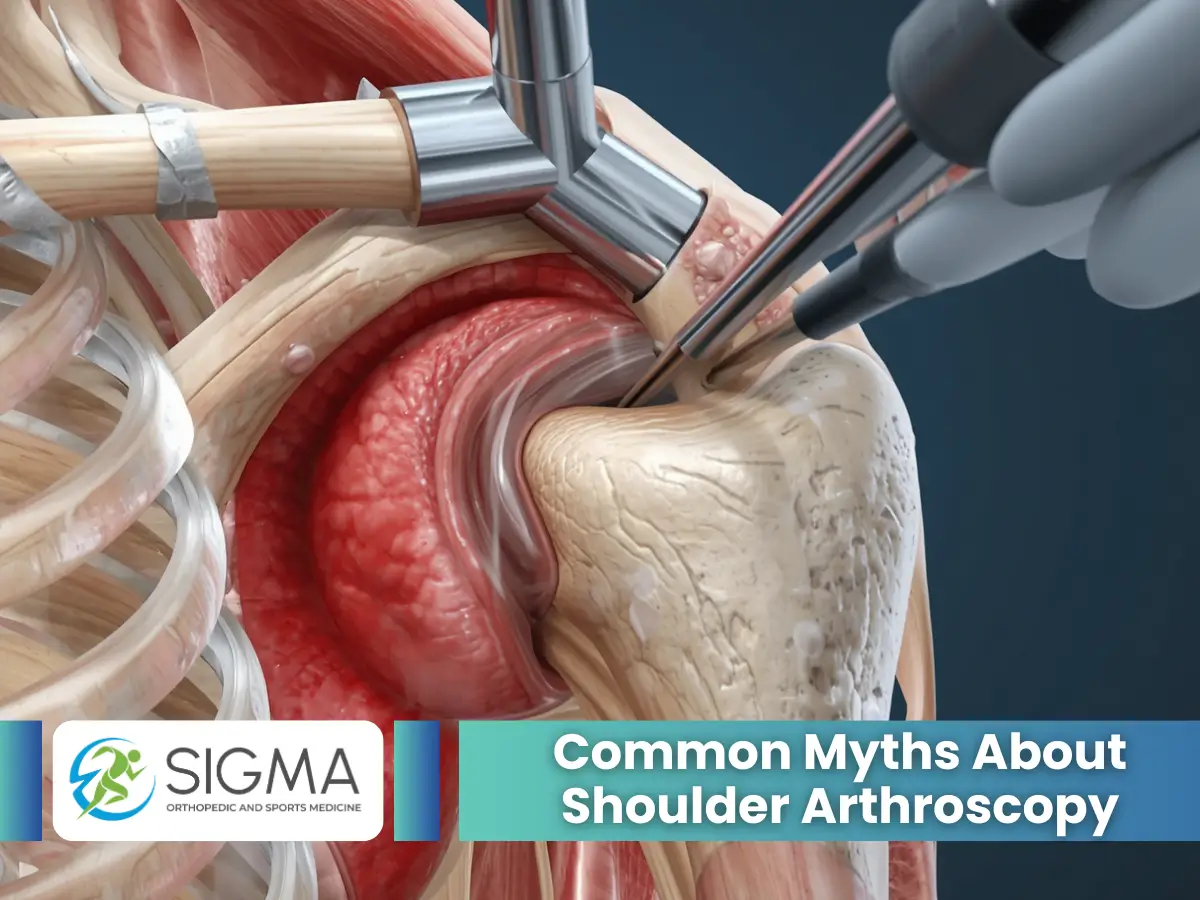
Many patients believe incorrect information. Therefore, it is important to understand the facts.
Myth 1: It is a major surgery In reality, it is less invasive than traditional methods.
Myth 2: Recovery is extremely painful Most patients report manageable discomfort.
Myth 3: Results are not long-lasting Proper repair and therapy often lead to lasting improvement.
Questions to Ask Your Surgeon
Before deciding, ask clear questions. This helps you feel confident about your choice.
Consider asking:
- What type of repair will you use?
- What results should I expect?
- What risks apply to my case?
- How long before I return to normal activities?
Clear answers help you prepare better.
Long-Term Outlook
Most patients experience significant pain relief. In addition, shoulder strength improves over time.
However, results depend on several factors. These include tear size, repair quality, and rehabilitation effort.
Therefore, staying committed to recovery is essential. Research from Harvard Medical School confirms that patients who complete their full rehab programs report substantially better long-term function than those who stop early.
Final Thoughts
Arthroscopic rotator cuff surgery offers a reliable solution for ongoing shoulder pain. It uses advanced tools and techniques for precise repair.
As a result, patients benefit from smaller incisions and faster healing. In addition, improved shoulder function helps restore daily activities.
However, success depends on proper care and rehabilitation. So, understanding the process helps you make informed decisions.
If shoulder pain affects your life, expert guidance can make a difference. Contact Sigma Orthopedics today to discuss your condition and explore the best treatment options for your needs.
Frequently Asked Questions
1. How long does arthroscopic rotator cuff surgery take?
The procedure usually takes one to two hours. However, the exact time depends on the severity of the tendon damage.
2. Is arthroscopic rotator cuff surgery painful?
Most patients feel mild to moderate discomfort after the procedure. Pain is managed with medication and improves within a few days.
3. Who performs arthroscopic rotator cuff surgery?
An orthopedic surgeon trained in shoulder conditions performs this procedure using specialized tools and imaging.
4. What makes arthroscopic surgery different from open surgery?
Arthroscopic surgery uses small incisions and a camera. As a result, it causes less tissue damage and allows faster healing.
5. When can I return to normal activities after surgery?
Light activities may resume within weeks. However, full shoulder function takes several months depending on healing progress.