Patellar tracking disorder happens when the kneecap does not move smoothly along the groove at the front of the thigh bone. This can cause knee pain, clicking, instability, swelling, or a feeling that the kneecap is shifting out of place. The good news is that targeted strengthening and mobility work can often improve alignment, reduce stress on the joint, and restore better knee function.
The best approach combines hip strengthening, quadriceps activation, flexibility work, and movement control. These exercises help stabilize the kneecap while improving how the entire leg moves during walking, climbing stairs, squatting, and sports activities.
While severe instability or structural issues may require medical treatment, many mild to moderate cases improve significantly with consistent rehabilitation.
What Causes Patellar Tracking Problems?
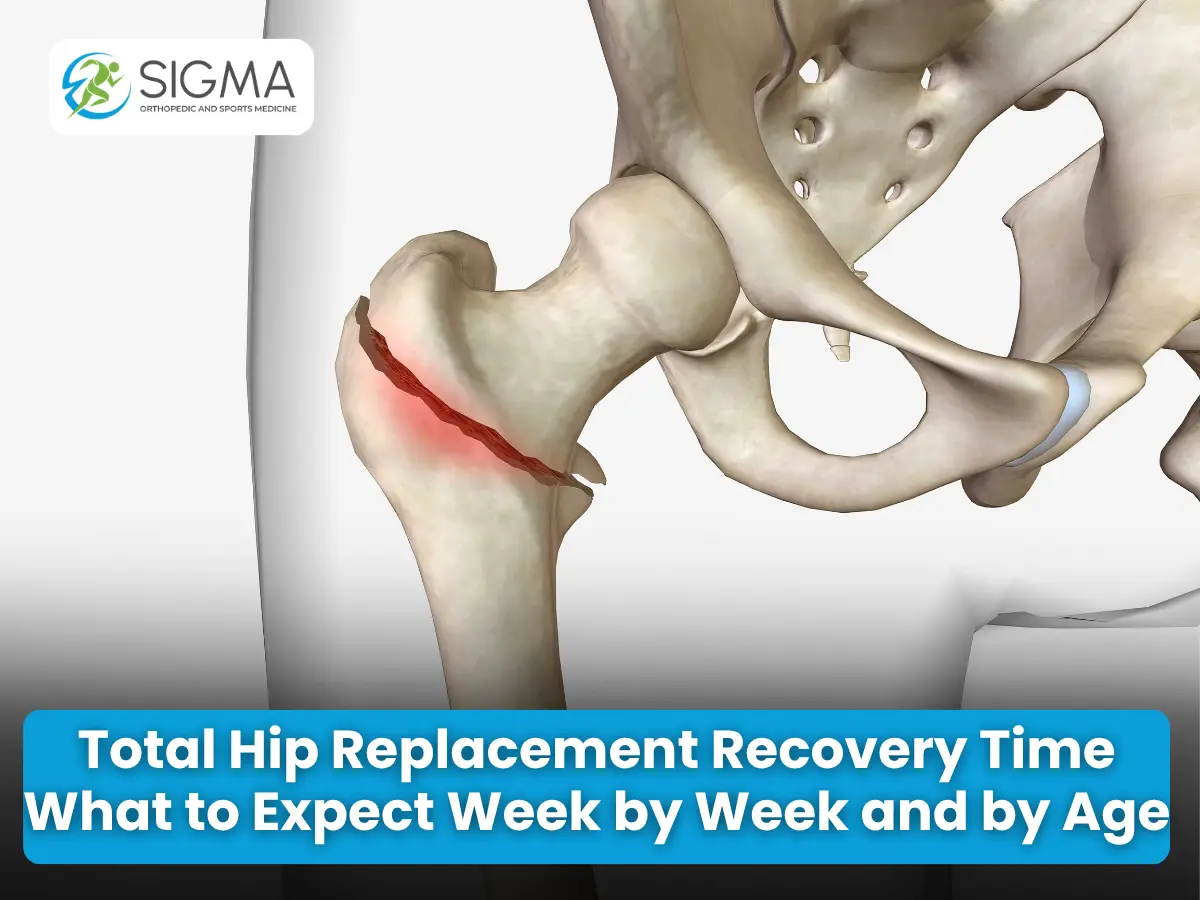
The kneecap, or patella, sits inside a groove called the trochlear groove. When the knee bends and straightens, the patella should glide smoothly within that groove. Problems begin when the kneecap drifts too far to one side, most commonly outward.
Several factors can contribute to this issue. Weak hip muscles, tight outer thigh structures, poor foot mechanics, muscle imbalance around the knee, and previous injuries all play a role. Some people naturally have anatomy that makes them more prone to maltracking as well. Symptoms usually develop gradually. Many people notice pain during stairs, squats, running, prolonged sitting, or after exercise. Others describe popping, grinding, or a sensation that the knee may “give out.”In more advanced cases, recurrent kneecap dislocations or chronic instability may occur. If the kneecap repeatedly slips out of place, a medical evaluation is important to rule out ligament damage or structural abnormalities.
Why Exercise Helps Realign the Kneecap
Many people assume the knee itself is the main problem, but patellar movement depends heavily on the hips, thighs, ankles, and overall movement mechanics.
When the hip muscles are weak, the thigh rotates inward during movement. This changes how force travels through the knee and pulls the kneecap off its ideal path. Tight muscles along the outside of the thigh can worsen the problem by increasing lateral pull on the patella.
The right strengthening program improves muscle balance, supports joint control, and reduces excessive stress on the cartilage underneath the kneecap. Research supported by the National Institutes of Health has shown that targeted rehabilitation can significantly improve pain and function in people with patellofemoral pain and instability.
Exercise 1: Straight Leg Raises
Straight leg raises are one of the safest starting points because they strengthen the quadriceps without placing excessive pressure on the kneecap. Lie flat on your back with one knee bent and the affected leg straight. Tighten the thigh muscle of the straight leg and slowly lift it about 12 inches off the floor. Hold briefly, then lower with control. This movement helps activate the quadriceps, especially the muscles responsible for stabilizing the kneecap during motion. Many patients with patellar instability struggle with poor quadriceps activation after pain or swelling develops. Performing this exercise slowly is more important than doing high repetitions. Controlled movement improves muscle recruitment and joint stability. For people beginning patellar tracking exercises, this is often one of the most comfortable starting options.
Exercise 2: Clamshells for Hip Stability
Weak hips are one of the biggest overlooked causes of kneecap maltracking. Clamshells target the gluteus medius, a muscle essential for controlling leg alignment during walking and running. Lie on your side with knees bent and feet together. Keeping your feet touching, slowly raise the top knee while keeping the pelvis stable. Lower the knee gradually without rotating the body backward. At first, the movement may feel small. That is completely normal. The goal is controlled activation rather than exaggerated motion. Improved hip strength reduces inward collapse of the knee during movement, which can help decrease lateral pull on the patella. This is one reason many therapists include clamshells in programs focused on exercises for patellar instability.
Exercise 3: Wall Sits With Proper Alignment
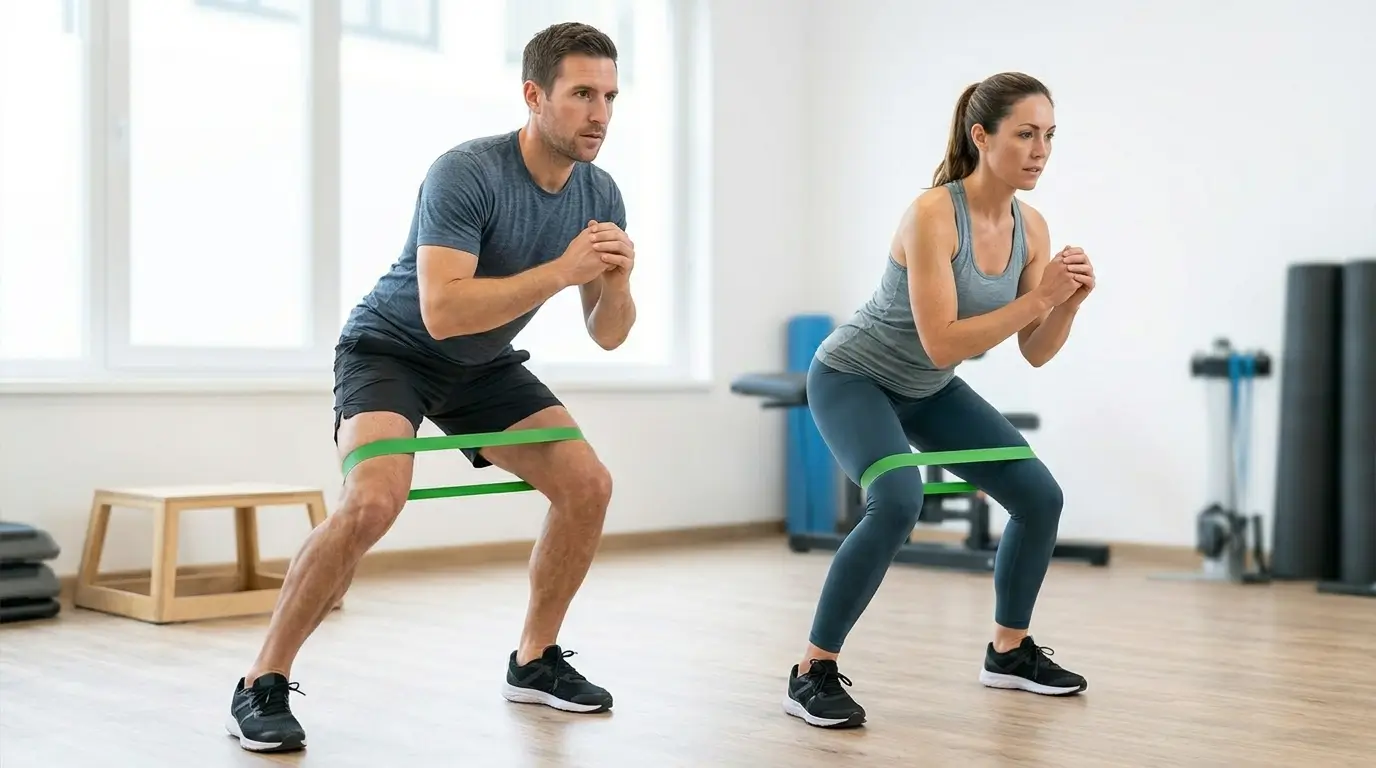
Wall sits strengthen the quadriceps, glutes, and supporting stabilizers while teaching proper knee positioning. Stand with your back against a wall and slowly slide downward into a partial squat. Keep your knees aligned over your toes rather than collapsing inward. Hold the position for a comfortable amount of time before returning upward. The depth matters. Deep bending may aggravate symptoms early on, so beginning with a shallow bend is often more effective. This exercise also improves endurance around the knee joint. Many people with instability develop weakness because they unconsciously avoid loading the affected leg. Patients working on knee cap alignment exercises often benefit from mirror feedback during wall sits to maintain proper form.
Exercise 4: Step-Ups
Step-ups help retrain functional movement patterns needed for daily activities like climbing stairs and walking uphill. Using a low step, place the affected foot on the platform and slowly step upward while keeping the knee aligned over the foot. Lower yourself carefully rather than dropping quickly. This exercise challenges balance, strength, and movement control simultaneously. It also helps strengthen the muscles that stabilize the knee dynamically during real-world movement. Poor control during stepping activities is common in people with patellofemoral pain syndrome exercises programs. Slow, controlled repetition is essential to avoid reinforcing poor movement habits. If pain increases significantly during this exercise, reducing the step height is often helpful.
Exercise 5: Side-Lying Leg Raises
Side-lying leg raises strengthen the outer hip muscles that support pelvic and knee alignment. Lie on one side with the bottom knee bent for support and the top leg straight. Lift the top leg upward slowly without rotating the toes toward the ceiling. Lower the leg with control. Although the movement looks simple, it directly targets muscles that help prevent the knee from collapsing inward during movement. Better hip stability often translates into smoother patellar motion. Among the most effective patellar stabilization exercises, hip-focused strengthening consistently shows long-term benefits for reducing knee stress and improving alignment.
The Importance of Flexibility and Mobility
Strength alone is not enough. Tight tissues around the knee and hip can continue pulling the patella off track even if the muscles become stronger. The iliotibial band, quadriceps, calves, and hamstrings commonly become tight in people with chronic kneecap pain. Gentle stretching and mobility work may improve movement quality and reduce joint irritation. Foam rolling the outer thigh can sometimes help relieve tension, although it should be done gently to avoid increasing sensitivity. People trying to learn how to improve patellar tracking often focus only on the kneecap itself. In reality, improving the entire movement chain is what usually creates lasting results.
Common Mistakes That Make Symptoms Worse
One of the biggest mistakes is progressing too quickly. High-impact exercise, deep squats, and aggressive running programs can overload the kneecap before stability improves. Another issue is ignoring pain signals. Mild muscle fatigue is normal, but sharp pain or swelling afterward often indicates the joint is not tolerating the activity well. Poor exercise form can also reinforce bad mechanics. Knees collapsing inward during squats, lunges, or stairs increases stress on the patella and may worsen symptoms. Some patients spend months focusing only on stretching while neglecting strength training. Others strengthen the quadriceps but ignore hip stability entirely. Successful rehabilitation usually requires both.
When to Seek Medical Evaluation
Exercise helps many people, but not every case can be managed at home alone. You should seek professional evaluation if the kneecap repeatedly dislocates, swelling becomes severe, pain persists despite exercise, or the knee feels unstable during daily activities. A specialist may recommend imaging studies to evaluate cartilage damage, ligament injury, or structural alignment issues. In some cases, bracing, physical therapy, injections, or surgery may be considered. At SIGMA Orthopedics and Sports Medicine, patients with chronic kneecap instability often undergo a detailed evaluation that includes movement analysis, strength assessment, and individualized treatment planning.
Early treatment can prevent worsening cartilage damage and long-term joint irritation.
How Long Does Recovery Usually Take?
Recovery varies depending on the severity of the condition and how consistently exercises are performed. Some people notice improvement within a few weeks, especially when symptoms are mild and caused primarily by muscle imbalance. More persistent cases may require several months of rehabilitation. Consistency matters more than intensity. Performing the exercises regularly with proper form is typically more effective than occasional hard workouts. People searching for how to fix patellar tracking disorder often expect instant results, but knee stabilization usually develops gradually over time. Patience is important because the nervous system, muscles, and movement patterns all need time to adapt.
Can You Prevent Patellar Tracking Problems?
Prevention largely comes down to maintaining lower-body strength, mobility, and movement control. Regular hip strengthening, balanced leg training, proper warmups, and gradual activity progression reduce stress on the kneecap. Wearing supportive footwear and improving running or squat mechanics may also help. Athletes who participate in jumping or cutting sports should pay particular attention to hip stability and landing mechanics. Maintaining a healthy body weight can also reduce excessive pressure on the knee joint during daily activities. Many people only begin exercises to realign kneecap movement after pain starts, but proactive strengthening may help prevent symptoms from developing in the first place.
Final Thoughts
Patellar tracking disorder can interfere with walking, exercise, sports, and even simple daily activities. Fortunately, many cases improve with targeted rehabilitation focused on strength, control, and movement quality. The combination of quadriceps activation, hip strengthening, and movement retraining often provides the best long-term results. Staying consistent and progressing gradually is key to improving knee stability without aggravating symptoms. If symptoms continue despite exercise or the kneecap feels unstable, a professional evaluation may be necessary to identify underlying structural issues. The team at SIGMA Orthopedics and Sports Medicine works with patients experiencing chronic knee pain and instability to create personalized treatment strategies designed to restore confidence and mobility.
FAQ Section
What is the fastest way to improve patellar tracking?
The fastest improvement usually comes from combining hip strengthening, quadriceps activation, and activity modification. Consistency with exercises and avoiding movements that aggravate the knee are both important.
Can patellar tracking disorder heal without surgery?
Yes. Many mild to moderate cases improve with physical therapy, strengthening exercises, and movement correction. Surgery is generally reserved for severe instability or recurrent dislocations.
Are squats bad for patellar tracking disorder?
Not always. Shallow, controlled squats with proper alignment can help strengthen the knee. Deep or poorly performed squats may increase stress on the kneecap and worsen symptoms.
How often should I do patellar stabilization exercises?
Most rehabilitation programs recommend performing exercises three to five times per week, depending on pain levels and recovery tolerance.
Can walking help patellar tracking problems?
Gentle walking is often beneficial if it does not increase pain significantly. However, long walks on hills or stairs may aggravate symptoms in some people.
What causes lateral patellar tracking?
Lateral tracking commonly occurs because of weak hip muscles, tight outer thigh structures, poor movement mechanics, or anatomical alignment differences that pull the kneecap outward.
Disclaimer: This content is for informational purposes only and does not constitute medical advice. Always seek the advice of a qualified healthcare provider with any questions you may have regarding a medical condition or before starting any new medication. Never disregard professional medical advice or delay in seeking it because of something you have read in this blog.