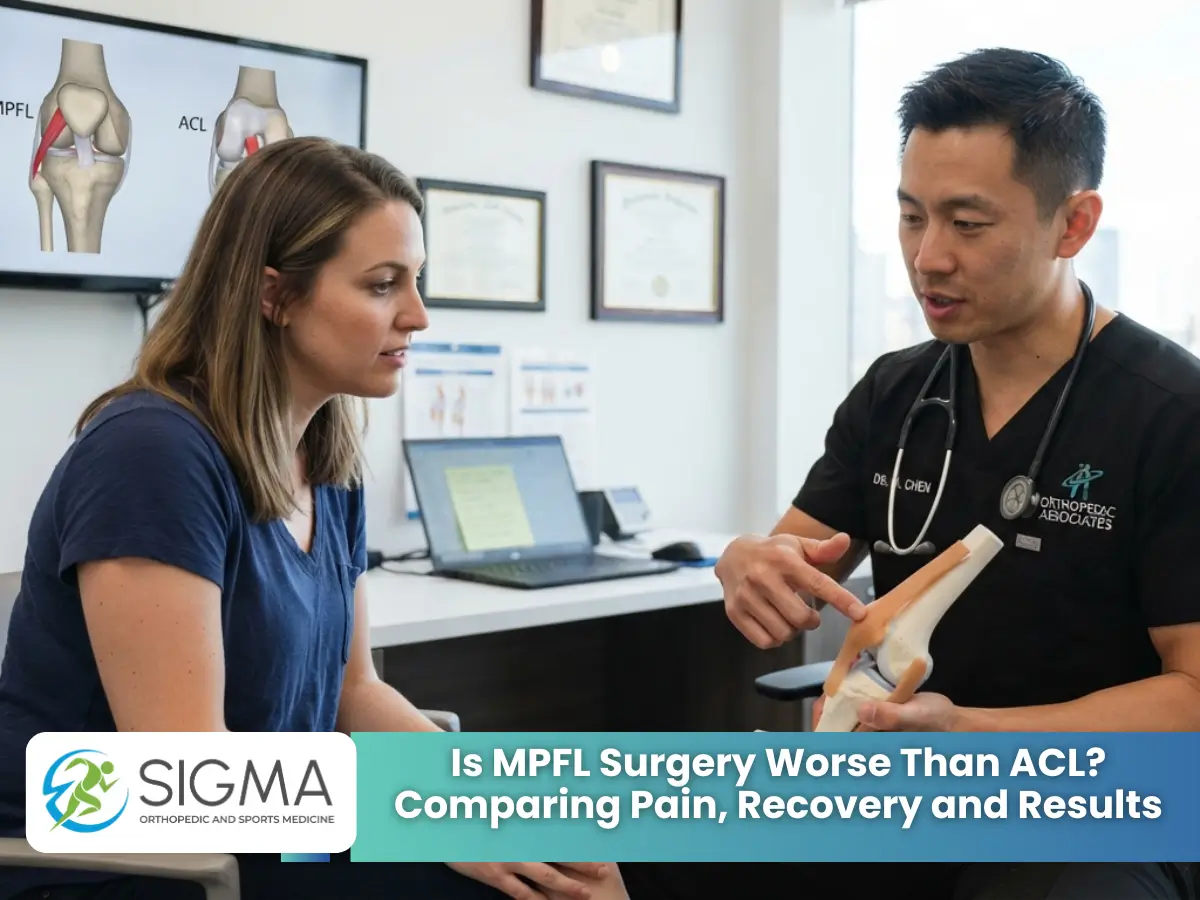
If you’re wondering is MPFL surgery worse than ACL, the short answer is usually no. While both procedures require dedicated rehabilitation, ACL reconstruction is generally considered more demanding because it involves a larger ligament, greater forces across the knee, and a longer return-to-sport timeline. However, the “harder” surgery depends on your injury, activity level, and overall knee health.
For many patients, mpfl ligament surgery restores stability after repeated kneecap dislocations with excellent long-term outcomes. ACL reconstruction, on the other hand, focuses on rebuilding a ligament that controls forward movement and rotational stability of the knee. Both surgeries are highly successful when performed for the right reasons and followed by a structured rehabilitation program.
Understanding how these procedures differ can help you set realistic expectations, ask better questions during your orthopedic consultation, and make informed decisions about your recovery.
Understanding the Role of Each Ligament
Although both procedures involve reconstructing a damaged ligament, the ligaments serve very different purposes. Their location, function, and the injuries they treat explain why recovery experiences are not identical.
What Is the Medial Patellofemoral Ligament?
The patellofemoral ligament, more accurately called the medial patellofemoral ligament (MPFL), is a soft-tissue stabilizer that keeps the kneecap from sliding too far toward the outside of the knee. It provides most of the restraint against lateral patellar movement during the early stages of knee bending.
When this ligament tears, the kneecap can become unstable and repeatedly dislocate. Many first-time dislocations heal without surgery, but recurrent instability often requires reconstruction to restore normal tracking.
What Does the ACL Do?
The anterior cruciate ligament (ACL) sits inside the knee joint and connects the femur to the tibia. Its primary role is preventing excessive forward movement of the shinbone while also controlling rotational forces during cutting, pivoting, and jumping.
ACL injuries commonly occur during sports involving sudden direction changes. Without a functioning ACL, many active people experience episodes where the knee gives way, increasing the risk of additional cartilage or meniscus damage over time.
Why These Differences Matter
Although both ligaments contribute to knee stability, they stabilize completely different structures. An MPFL injury mainly affects kneecap stability, while an ACL injury compromises the overall stability of the knee joint.
Because the mechanics are different, the surgical techniques, rehabilitation goals, and timelines also differ significantly.
Why Someone May Need MPFL Reconstruction
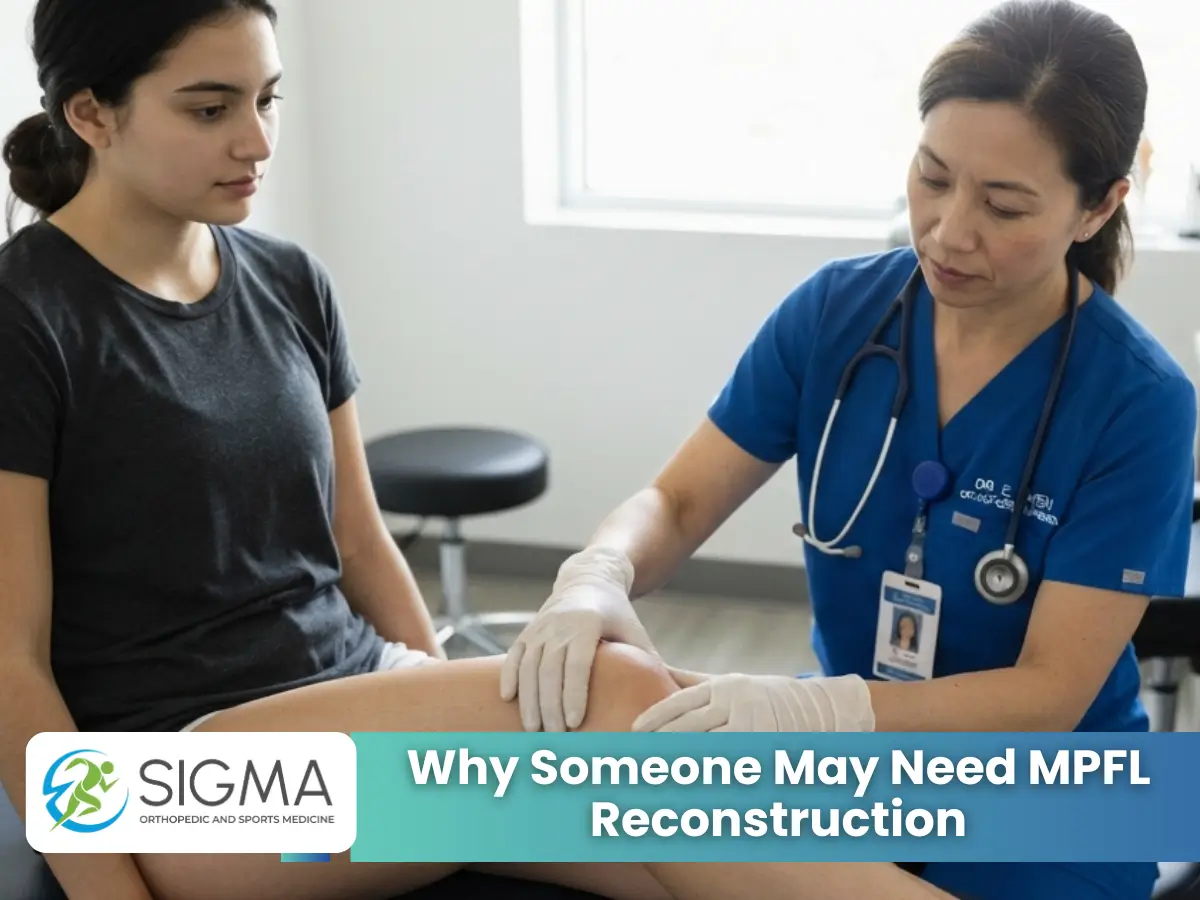
Not every mpfl tear requires surgery. Many patients recover well after a first-time kneecap dislocation through physical therapy, bracing, and activity modification. Surgery becomes more likely when instability continues despite conservative treatment.
Recurrent Patellar Dislocations
Repeated kneecap dislocations are the most common reason surgeons recommend reconstruction. Every dislocation can stretch surrounding tissues and damage cartilage, making future episodes more likely.
Rebuilding the ligament helps restore normal kneecap alignment and reduces the chance of repeated instability.
Persistent Knee Instability
Some patients don’t experience complete dislocations but constantly feel like the kneecap is about to slip. This sensation often limits confidence during walking, stair climbing, or sports.
When instability affects daily function despite rehabilitation, reconstruction may provide lasting stability.
Combined Structural Problems
Certain patients have additional anatomical factors that increase the likelihood of instability. These may include a shallow trochlear groove, abnormal limb alignment, or a high-riding kneecap.
In these situations, surgeons sometimes combine ligament reconstruction with other corrective procedures to improve long-term results.
What Happens During MPFL Reconstruction Surgery?
Understanding the procedure helps explain why recovery is often different from ACL surgery. Although both operations involve creating a new ligament, the surgical approach varies considerably.
Creating a New Ligament
During surgery, the damaged ligament is replaced using a tendon graft. Depending on the patient’s needs, surgeons may use a hamstring tendon from the patient or donor tissue.
The new graft is positioned where the original ligament naturally attached to restore normal kneecap movement.
Precise Graft Positioning
Proper placement is critical. Even small positioning errors can cause excessive tightness, persistent instability, or abnormal pressure on the kneecap.
Modern surgical techniques use detailed anatomical landmarks and imaging guidance to maximize accuracy.
Restoring Normal Patellar Tracking
Rather than simply tightening the kneecap, the goal is restoring natural movement throughout knee motion.
When reconstruction is performed correctly, patients typically experience improved stability while maintaining normal knee function.
How ACL Reconstruction Is Different
Although both surgeries rebuild torn ligaments, ACL reconstruction is generally more invasive because it involves structures inside the knee joint and experiences greater mechanical stress during daily activities.
Surgery Inside the Knee Joint
ACL reconstruction is performed arthroscopically through small incisions using specialized instruments. Surgeons remove the torn ligament, prepare tunnels in the femur and tibia, and secure a tendon graft in its place.
The graft must gradually incorporate into the bone before it can fully function like a native ligament.
Greater Mechanical Demands
Unlike the MPFL, the ACL experiences substantial forces during running, pivoting, landing, and rapid changes of direction. This is one reason rehabilitation tends to be longer and more carefully staged.
Patients returning to sports too early face a higher risk of graft failure or reinjury.
Extensive Neuromuscular Rehabilitation
Recovery extends beyond healing the ligament. Patients must also restore strength, balance, coordination, and movement mechanics before safely returning to high-impact activities.
Comprehensive rehabilitation is one of the biggest factors influencing long-term success.
Is MPFL Surgery More Painful Than ACL Surgery?
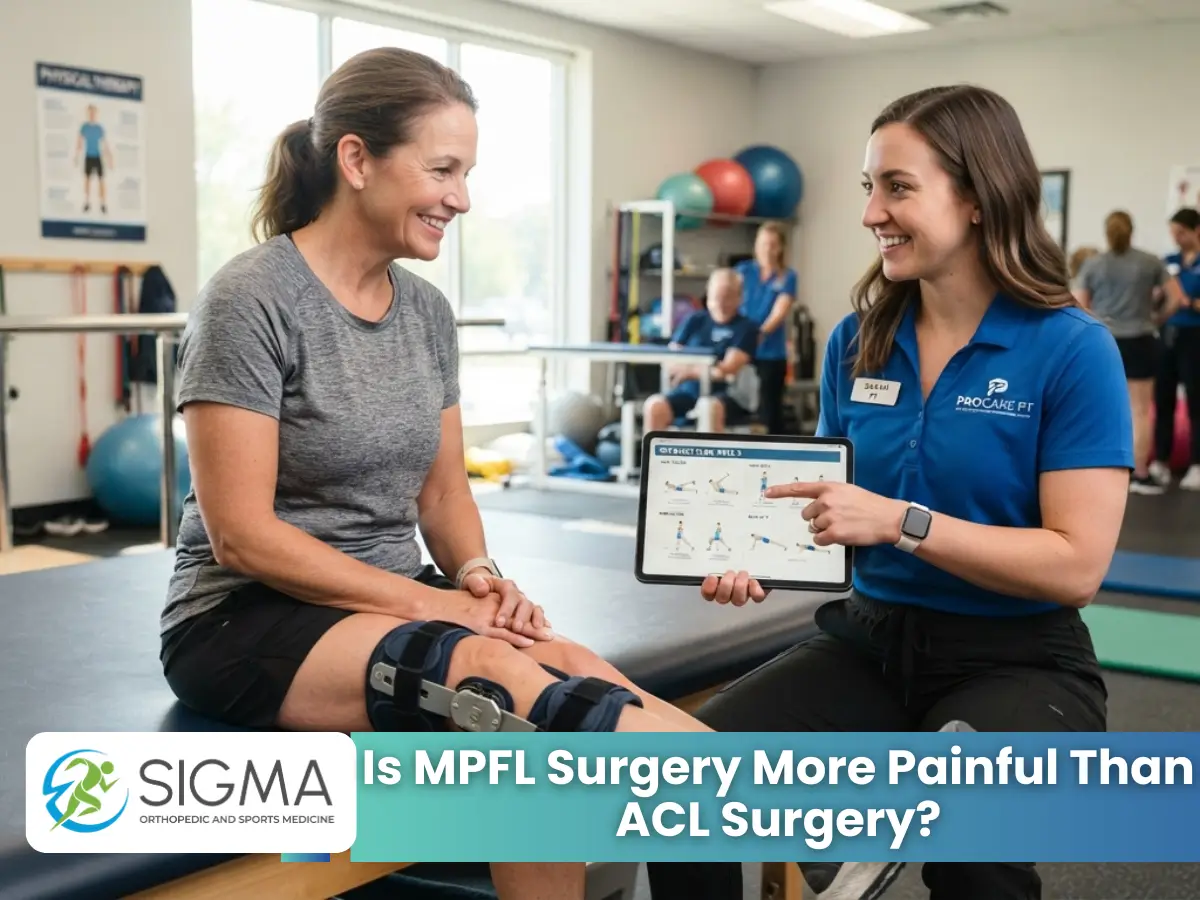
Pain is one of the biggest concerns patients have before surgery. Fortunately, neither procedure is considered unusually painful when modern anesthesia, multimodal pain management, and rehabilitation protocols are used.
The First Few Days
Pain is typically greatest during the first week after either surgery. Swelling, inflammation, and soft tissue healing contribute more to discomfort than the reconstructed ligament itself.
Most patients gradually reduce prescription pain medication within several days as swelling improves.
Why ACL Recovery Often Feels Harder
Many orthopedic surgeons consider ACL reconstruction more physically demanding because the knee experiences more swelling, greater muscle inhibition, and a longer period of functional recovery.
Harvesting a tendon graft may also contribute to temporary soreness depending on the graft source.
Everyone Experiences Pain Differently
Age, previous injuries, overall health, pain tolerance, and adherence to physical therapy all influence recovery. Two patients undergoing the same operation may describe completely different experiences.
Rather than comparing surgeries, it’s more helpful to focus on following an individualized rehabilitation plan designed by your orthopedic team.
Comparing Recovery Timelines
Recovery is measured by milestones instead of calendar dates. Although healing follows predictable stages, every patient progresses at a different pace depending on the severity of the injury, surgical technique, and rehabilitation program.
Early Healing After MPFL Reconstruction
The first phase of mpfl reconstruction recovery focuses on controlling swelling, protecting the graft, restoring knee extension, and gradually improving range of motion. Patients usually begin walking with assistance soon after surgery while following their surgeon’s weight-bearing instructions.
Physical therapy starts early to reduce stiffness and improve muscle activation without placing excessive stress on the healing ligament.
Recovery During the Following Months
As healing progresses, strengthening exercises become more challenging while balance, coordination, and functional movement gradually improve. Most patients notice increasing confidence during everyday activities as stability returns.
The exact mpfl reconstruction recovery time varies, but many people resume normal daily routines well before returning to demanding sports.
MPFL Reconstruction vs ACL Recovery: Which Takes Longer?
Although recovery varies from person to person, mpfl reconstruction vs acl rehabilitation generally favors MPFL reconstruction in terms of overall timeline. Most patients recovering from MPFL surgery regain everyday function sooner, while ACL rehabilitation usually requires additional months before unrestricted sports participation is considered safe.
Returning to Daily Activities
Walking without significant discomfort often returns earlier after MPFL reconstruction, provided there are no additional procedures performed at the same time. Many patients gradually resume work, driving, and routine household activities as strength and range of motion improve.
ACL reconstruction patients often need more time because restoring rotational stability requires extensive neuromuscular retraining. Even when the knee feels normal, the graft continues biologically healing for many months.
Returning to Sports
Athletes recovering from MPFL reconstruction often begin sport-specific training once strength, balance, and movement quality meet functional goals. The decision depends on objective testing rather than simply reaching a certain number of months after surgery.
ACL rehabilitation typically progresses more cautiously because cutting, pivoting, and jumping place substantial forces on the reconstructed ligament. Returning too soon increases the chance of another serious knee injury.
Factors That Influence Recovery More Than the Surgery Itself

Two patients having the same operation can experience very different recoveries. Several factors outside the operating room often determine how successful rehabilitation becomes.
Overall Knee Health
Healthy cartilage, intact menisci, and good muscle strength before surgery generally support a smoother recovery. Patients with additional injuries may require longer rehabilitation regardless of which ligament is reconstructed.
Previous surgeries or long-standing instability can also affect how quickly normal movement returns.
Commitment to Physical Therapy
Consistent rehabilitation is one of the strongest predictors of success. Physical therapists gradually restore flexibility, strength, coordination, and confidence while protecting the healing graft.
Missing appointments or progressing too quickly can delay recovery and increase the likelihood of ongoing symptoms.
Age and Activity Level
Younger athletes often regain strength more quickly but also place higher demands on the knee when returning to competitive sports. Older adults may progress at a steadier pace while focusing on pain-free daily function rather than high-impact athletics.
Recovery goals should always match the individual’s lifestyle rather than someone else’s timeline.
Potential Risks and Complications
Every surgical procedure carries some degree of risk, but serious complications are uncommon when surgery is performed by an experienced orthopedic specialist and rehabilitation guidelines are followed carefully.
Risks After MPFL Reconstruction
Possible complications include stiffness, persistent kneecap instability, graft stretching, infection, blood clots, or discomfort around the fixation sites. Some patients may also experience continued anterior knee pain if underlying alignment problems remain uncorrected.
Fortunately, these complications occur infrequently, and most patients achieve improved stability after surgery.
Risks After ACL Reconstruction
ACL reconstruction shares many of the same surgical risks while also carrying the possibility of graft failure, reinjury, loss of motion, or additional meniscus damage. Athletes returning before meeting objective rehabilitation milestones face a greater risk of another ACL tear.
Following a structured rehabilitation program significantly lowers these risks.
Reducing Your Chances of Problems
Choosing an experienced orthopedic surgeon, following postoperative instructions, attending physical therapy consistently, and gradually increasing activity all contribute to a safer recovery. Maintaining realistic expectations is equally important, since healing cannot be rushed.
Long-Term Outcomes After Surgery
Both procedures have excellent success rates when performed for the appropriate indications. The long-term goal extends beyond repairing a ligament; it is restoring confidence, stability, and function.
Success After MPFL Reconstruction
Most patients experience significantly fewer kneecap dislocations and improved knee stability after reconstruction. Many are able to return to recreational activities and sports once rehabilitation is complete.
Long-term satisfaction is highest when surgery addresses both the ligament injury and any underlying anatomical contributors to instability.
Success After ACL Reconstruction
ACL reconstruction has allowed countless athletes to safely return to demanding sports. However, success depends on restoring strength, movement quality, and psychological readiness in addition to healing the graft.
Patients who complete comprehensive rehabilitation generally report excellent knee function years after surgery.
When Should You Choose Surgery?
The decision should never be based on whether one procedure sounds easier than the other. Instead, treatment should match the specific injury and your personal goals.
Surgery Is Based on the Diagnosis
Someone with recurrent kneecap instability benefits from a different operation than someone with an isolated ACL rupture. Because these injuries affect different structures, they are not interchangeable procedures.
A thorough physical examination, imaging studies, and discussion of your activity level help determine the most appropriate treatment.
Consider Your Lifestyle
A competitive athlete, a recreational runner, and someone who simply wants pain-free daily activities may each have different treatment priorities. Your surgeon should explain how surgery aligns with those goals.
Shared decision-making helps ensure expectations remain realistic throughout recovery.
Why Expert Evaluation Matters
Every unstable knee is unique. Similar symptoms can result from completely different injuries, making an accurate diagnosis essential before considering surgery.
Advanced imaging, careful physical examination, and an individualized treatment plan allow orthopedic specialists to determine whether reconstruction is necessary or whether nonoperative treatment remains appropriate.
At SIGMA Orthopedics and Sports Medicine, treatment plans are personalized around the patient’s anatomy, activity level, and long-term goals rather than applying the same approach to every knee injury. This individualized strategy helps patients understand both their condition and the recovery process before making a surgical decision.
Final Thoughts
For most patients, the answer to is mpfl surgery worse than acl is no. While both procedures require commitment, ACL reconstruction generally involves a longer rehabilitation process and greater physical demands before returning to sports. MPFL reconstruction often allows patients to regain everyday function sooner, although recovery still requires patience, structured therapy, and close follow-up.
The most important question isn’t which surgery is worse it’s which treatment best addresses your specific injury. An accurate diagnosis, evidence-based rehabilitation, and experienced orthopedic care have a far greater impact on long-term outcomes than comparing procedures alone.
If you’re experiencing repeated kneecap dislocations, knee instability, or an ACL injury, consulting an orthopedic specialist at SIGMA Orthopedics and Sports Medicine can help you understand your options and develop a treatment plan tailored to your goals.
Frequently Asked Questions
Is MPFL surgery easier than ACL surgery?
In many cases, yes. MPFL reconstruction often involves a shorter rehabilitation timeline and earlier return to daily activities. However, the overall experience depends on the severity of the injury, surgical technique, and commitment to rehabilitation.
How long does MPFL reconstruction recovery take?
Recovery varies for every patient. Many individuals resume normal daily activities within a few months, while returning to sports generally requires additional rehabilitation and clearance from the treating surgeon.
Can an MPFL tear heal without surgery?
Yes. A first-time mpfl tear may heal with bracing, physical therapy, and activity modification. Surgery is more commonly recommended for recurrent kneecap dislocations or persistent instability.
Is ACL surgery more painful than MPFL reconstruction?
Many patients report that ACL recovery feels more demanding because of greater swelling, muscle weakness, and a longer rehabilitation process. Pain levels, however, vary widely between individuals.
Will I return to sports after MPFL reconstruction?
Many patients successfully return to sports after completing rehabilitation. Clearance depends on restoring strength, balance, stability, and functional movement rather than simply reaching a specific recovery date.
Can someone injure both the ACL and MPFL?
Yes. High-energy knee injuries can damage multiple ligaments simultaneously. These complex injuries require a comprehensive orthopedic evaluation to determine the most appropriate treatment plan.
Disclaimer: This content is for informational purposes only and does not constitute medical advice. Always seek the advice of a qualified healthcare provider with any questions you may have regarding a medical condition or before starting any new medication. Never disregard professional medical advice or delay in seeking it because of something you have read in this blog.