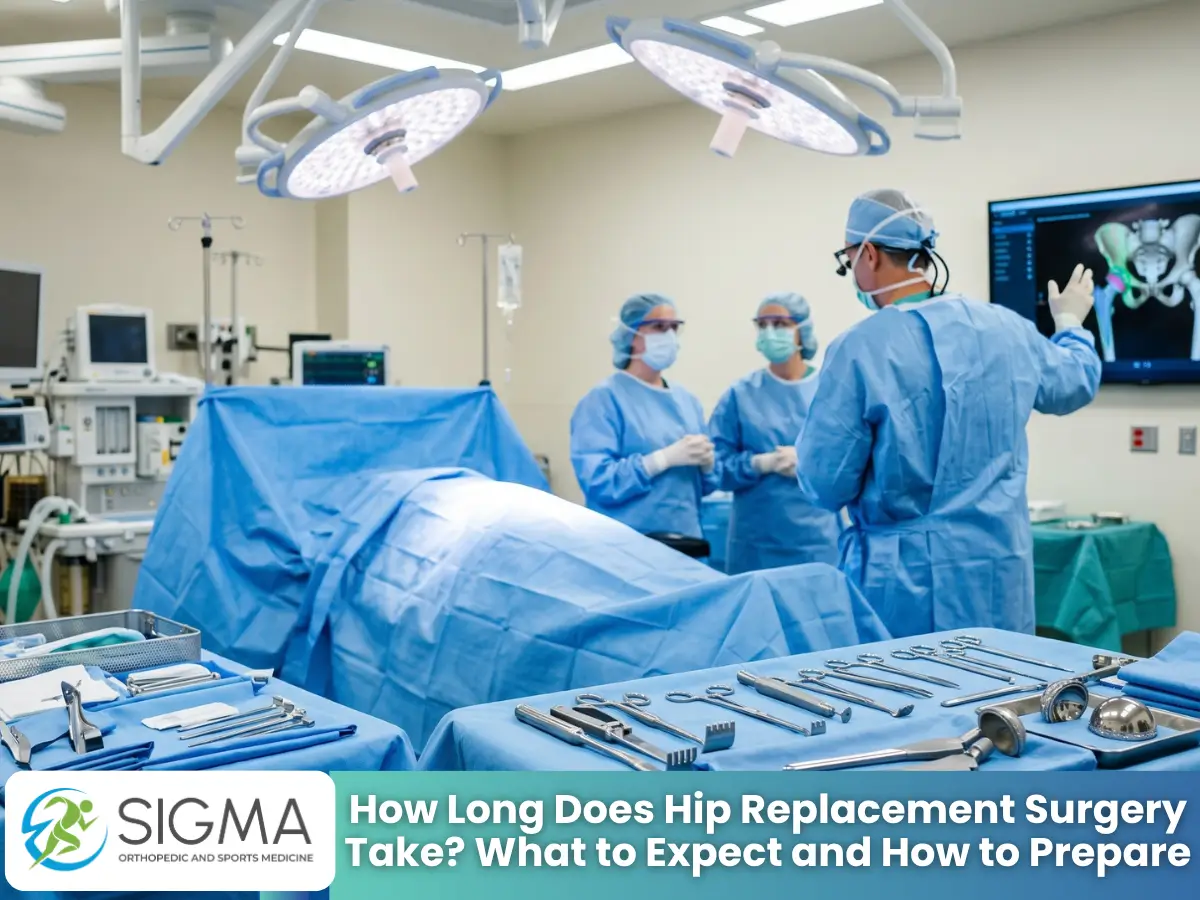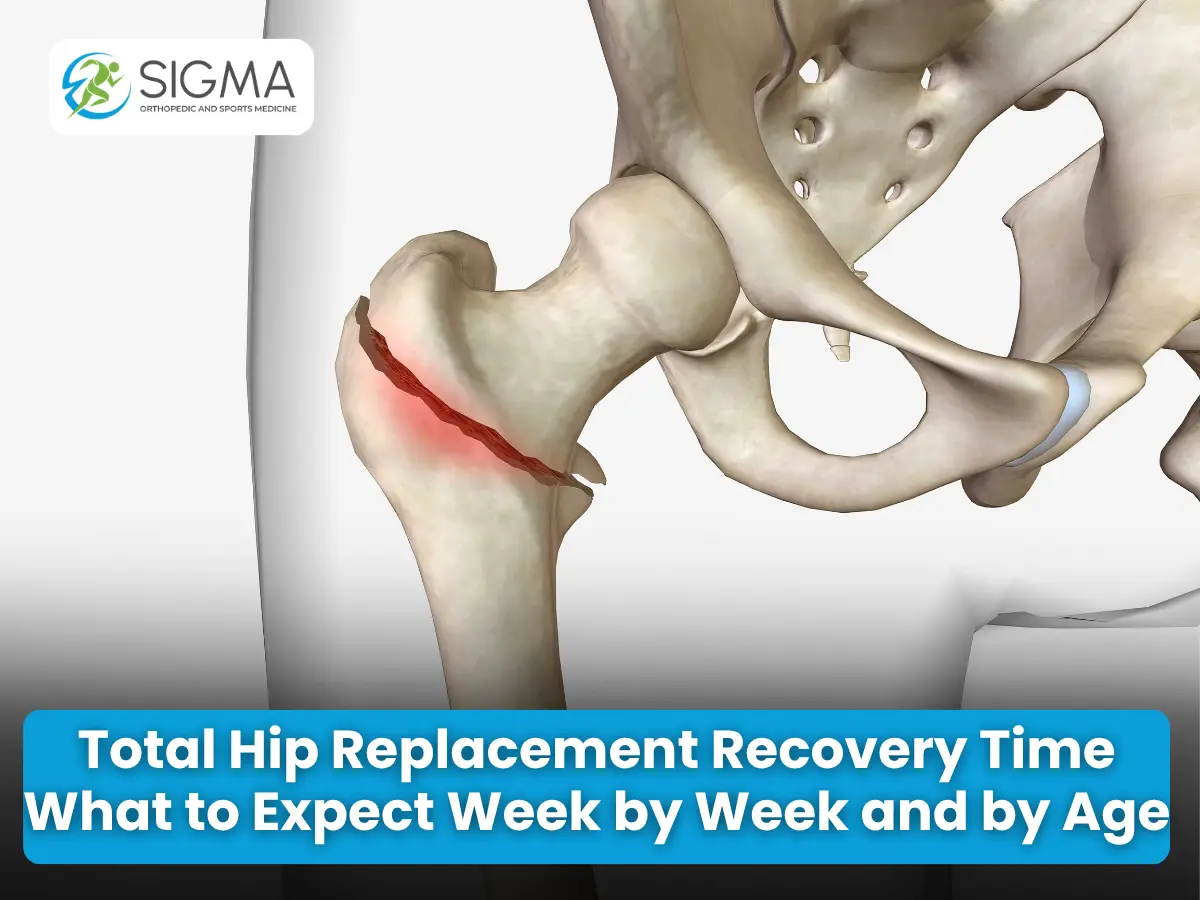

Athletics push the body to its limits, and every stride, jump, or pivot carries a risk of injury. Sports medicine focuses not only on treating injuries but also on preventing them through proper training, conditioning, and recovery strategies. Whether you’re a weekend warrior, a competitive athlete, or someone who enjoys staying active, understanding how sports medicine helps prevent sports injuries is essential for maintaining performance and long-term joint health. By recognizing early warning signs and following proven injury prevention techniques, athletes can stay active while reducing the risk of common athletic injuries.
Understanding Sports Medicine
Sports medicine is a specialized field that combines orthopedic expertise, physical therapy, rehabilitation therapy, and performance science to keep athletes healthy and performing at their peak. According to research from the American College of Sports Medicine, structured injury prevention programs can reduce athletic injuries by up to 50% when applied consistently.
The principles go beyond treatment; they focus on:
- Injury prevention through training and conditioning
- Early detection of potential joint or muscle problems
- Rehabilitation therapy for safe recovery
- Performance optimization without compromising long-term health
By integrating these strategies, you can significantly lower your risk of common sports injuries like sprains, strains, and overuse injuries.
Common Sports Injuries and How to Avoid Them

Athletic injuries can affect anyone, from amateurs to professionals. Here are some of the most common types and prevention tips:
Sprains and Strains
Sprains affect ligaments, while strains impact muscles and tendons. They’re usually caused by sudden movements, improper warm-ups, or fatigue.
Prevention Tips:
- Perform dynamic warm-ups before activity
- Strengthen stabilizing muscles around joints
- Avoid overtraining and ensure adequate rest
- Use proper footwear for your sport
Knee Injuries
Knee injuries, including ACL tears and meniscus damage, are among the most debilitating athletic injuries. Proper technique and muscle conditioning are essential.
Preventive Measures:
- Focus on quadriceps and hamstring strengthening
- Learn proper landing and pivot techniques
- Use supportive braces if you’ve had previous knee injuries
- Gradually increase intensity and avoid sudden changes in activity
Shoulder Injuries
Overhead athletes like swimmers and tennis players often suffer rotator cuff injuries or shoulder impingement.
Preventive Measures:
- Include rotator cuff and scapular stabilizing exercises
- Avoid repetitive overhead motion without adequate rest
- Strengthen the back and core to reduce shoulder strain
Overuse Injuries
Repetitive stress without recovery can lead to tendinitis, stress fractures, or chronic pain.
Prevention Tips:
- Implement rest days in your training schedule
- Cross-train to balance muscle groups
- Listen to your body pain is a signal, not a challenge
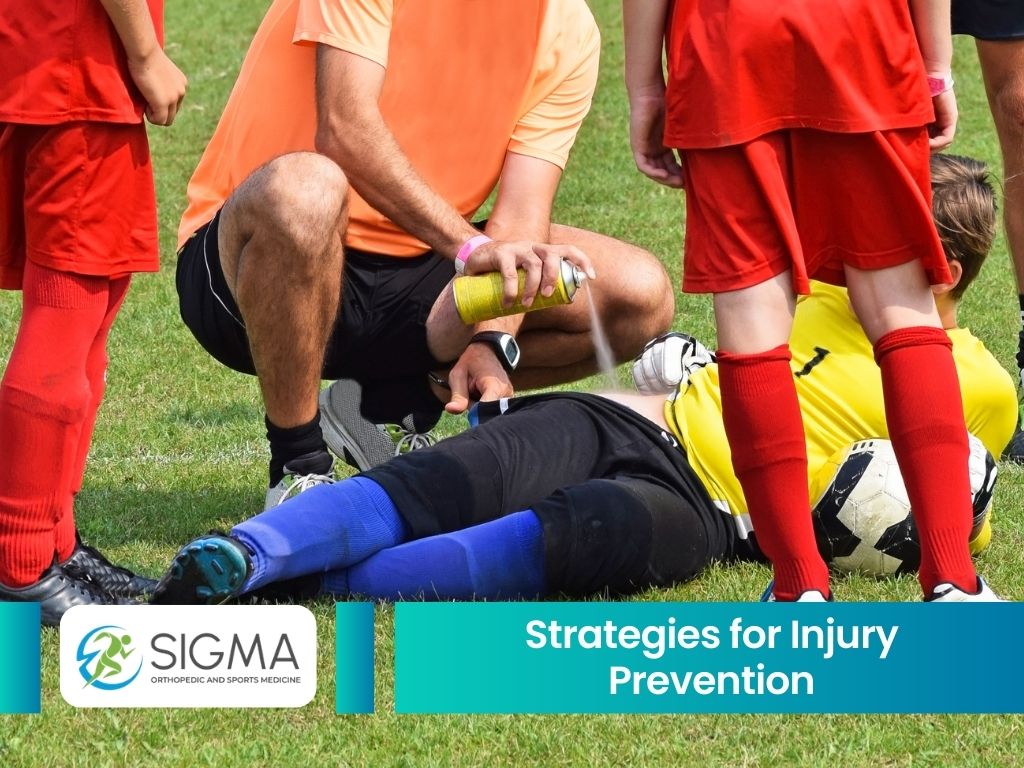
Strategies for Injury Prevention
Strength and Conditioning Programs
Strength training isn’t just for bodybuilders; it protects joints, improves balance, and supports muscles during high-intensity movements. A consistent program tailored to your sport reduces the risk of athletic injuries.
Proper Warm-Up and Cool-Down
A proper warm-up increases blood flow and flexibility, while a cool-down helps remove metabolic waste and reduce soreness. Studies from the National Institutes of Health show that warm-ups alone can decrease injury rates in athletes by 20–30%.
Flexibility and Mobility Work
Tight muscles restrict movement and increase injury risk. Incorporate stretching, yoga, or foam rolling into your routine to maintain an optimal range of motion.
Biomechanics and Technique Training
Even subtle changes in your technique can prevent sports injuries. Work with a coach or physical therapist to ensure safe posture, landing mechanics, and movement patterns.
Recovery and Rehabilitation Therapy
Recovery isn’t optional; it’s integral. Rehabilitation therapy and structured recovery plans help your muscles repair, prevent re-injury, and maintain long-term joint health. This includes:
- Targeted physical therapy exercises
- Gradual return-to-play programs
- Pain management strategies
- Functional assessments to prevent setbacks
Role of Physical Therapy in Preventing Injuries
Physical therapy isn’t just for post-injury care. It’s a proactive tool for maintaining athletic performance and preventing injuries before they occur. Benefits include:
- Improved joint stability and flexibility
- Enhanced muscular balance and coordination
- Guidance on safe movement and training techniques
- Early detection of potential injury risk factors
A well-structured physical therapy plan can drastically reduce your chances of chronic injuries and keep you performing at your best.
How to Approach Injury Treatment Smartly
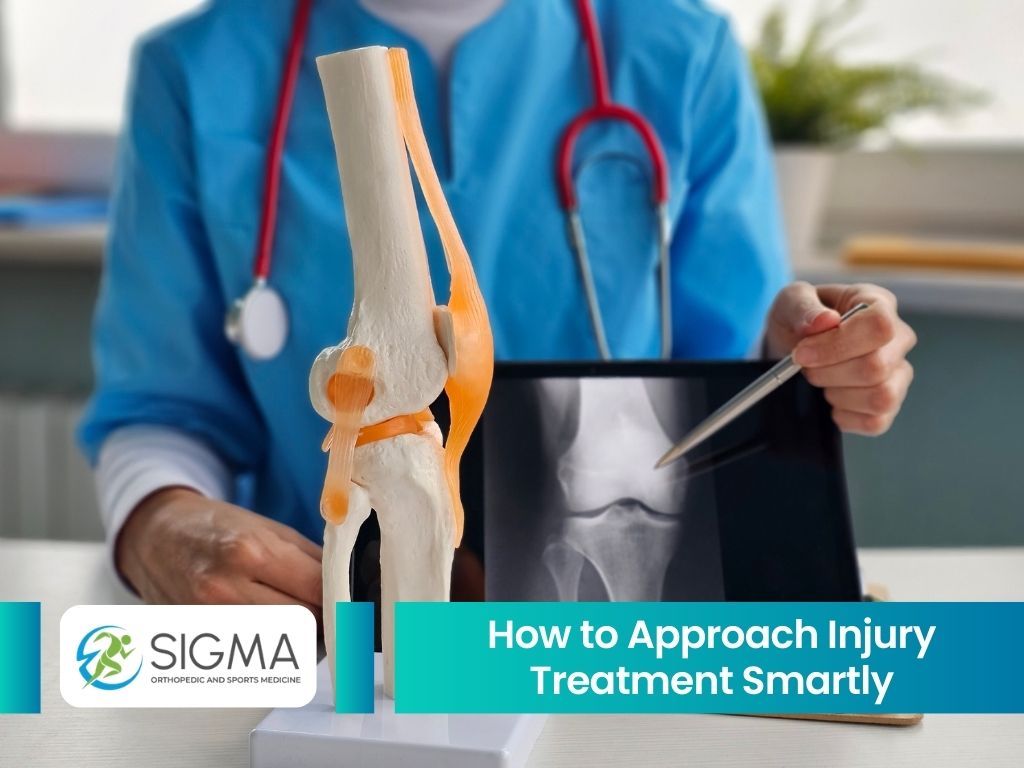
Even with the best prevention, injuries can occur. The right injury treatment approach determines how quickly and safely you return to activity. Core principles include:
- Early evaluation by an orthopedic specialist
- Evidence-based treatment plans
- Integration of rehabilitation therapy from day one
- Monitoring and adjusting the plan according to progress
According to studies published in the Journal of Orthopaedic & Sports Physical Therapy, early intervention and structured rehab can reduce recovery time by 30% compared to generic treatment plans.
Why Choose SIGMA Orthopedics
SIGMA Orthopedics combines board-certified expertise, team-based planning, and data-driven protocols to deliver predictable outcomes. Here’s why athletes and active individuals trust SIGMA:
- Multi-specialty collaboration ensures precise diagnosis and treatment
- Advanced techniques backed by evidence
- Personalized rehabilitation therapy for faster recovery
- Structured pathways from injury treatment to full performance
- Veteran-owned and Harvard-trained expertise
By choosing SIGMA, you’re not just treating injuries, you’re investing in long-term joint health, performance, and confidence in your recovery.
Conclusion
Staying active doesn’t have to come with a higher risk of injury. With strategic sports medicine practices, proactive injury prevention, and structured rehabilitation therapy, athletes can protect themselves while performing at peak levels. Remember, prevention is always better than cure, but when injuries occur, early treatment and proper recovery make all the difference.
Take control of your athletic journey with SIGMA Orthopedics. From evaluation and injury treatment to personalized rehabilitation therapy and physical therapy guidance, our team ensures you stay safe, strong, and in the game.
Schedule your personalized consultation today with SIGMA Orthopedics. Call 833-SIGMA MD or book an appointment online to start your path to injury-free performance.
FAQs
What is the role of injury prevention in athletic performance?
Injury prevention helps athletes identify risks, strengthen vulnerable areas, and follow personalized training to reduce injuries. This keeps them performing consistently and safely.
How does rehabilitation therapy help after an injury?
Rehabilitation therapy restores strength, flexibility, and function while preventing compensatory injuries, enabling a safe return to activity.
Can physical therapy prevent sports injuries?
Yes. Targeted physical therapy improves joint stability, balance, and muscle coordination, reducing the likelihood of common sports injuries.
How soon should I seek injury treatment?
Early evaluation is crucial. Prompt injury treatment prevents complications, reduces recovery time, and improves long-term outcomes.
Are there safe exercises for preventing knee and shoulder injuries?
Absolutely. Focus on strengthening surrounding muscles, maintaining flexibility, practicing proper biomechanics, and avoiding overuse.