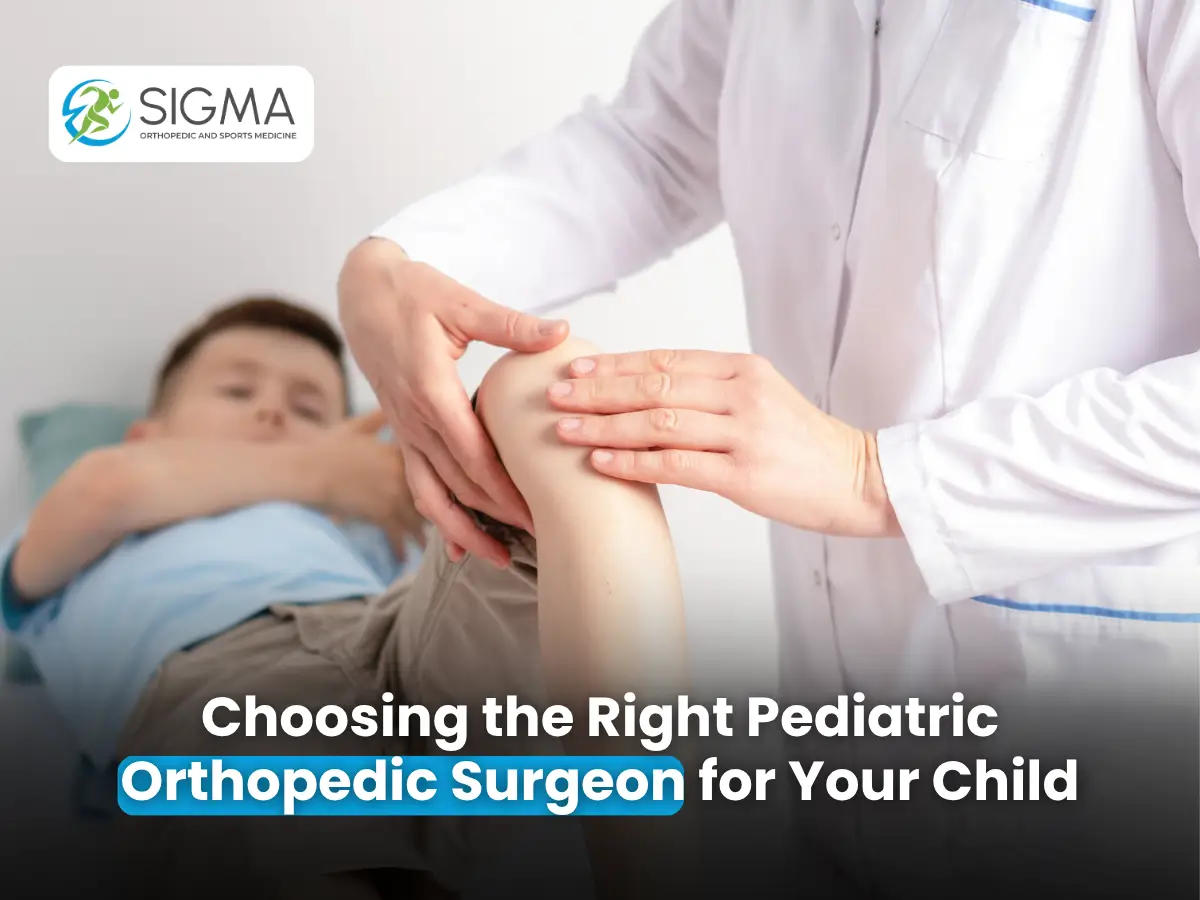
A child doesn’t complain about pain the way adults do. Sometimes it shows up as a limp, a skipped soccer game, or a quiet “it hurts” before bedtime. And suddenly, you’re searching for answers, hoping you make the right decision the first time. Choosing the right pediatric orthopedic surgeon isn’t just about credentials. It’s about trust, clarity, and knowing your child is in the hands of those who see beyond the injury.
Because when it comes to growing bones and developing joints, there’s no room for guesswork.
Why Specialized Pediatric Orthopedic Care Matters
Children aren’t just small adults. Their bones are still growing, their joints are still forming, and their injuries behave differently. A general provider might treat symptoms, but a trained pediatric orthopedic doctor understands growth plates, developmental patterns, and long-term impact.
That difference matters more than most parents realize. A minor misalignment today can shape posture, mobility, and confidence years later.
According to the National Institute of Arthritis and Musculoskeletal and Skin Diseases, early and specialized orthopedic care helps prevent long-term complications in children with musculoskeletal conditions.
Signs Your Child May Need a Pediatric Orthopedic
Some issues are obvious. Others whisper until they grow louder. Knowing when to act can make all the difference.
Watch for:
- Persistent joint or bone pain
- Limping or favoring one side
- Difficulty walking, running, or playing
- Visible deformities or posture issues
- Injuries that don’t improve with time
A trusted orthopedic pediatrician doesn’t just diagnose. They interpret these signs within the context of growth, activity, and development.
Things to Look for in a Pediatric Orthopedic Surgeon
Choosing a provider can feel overwhelming. Every website says “expert care,” but not all care is equal.
Here’s what actually matters:
- Experience in Pediatric Orthopedic Surgery
Look for specialists who focus specifically on pediatric orthopedic surgery. This ensures they understand conditions unique to children, not just adult adaptations.
- Structured and Measurable Approach
The best care isn’t vague. It’s structured.
- Clear diagnosis process
- Defined treatment pathways
- Measurable recovery milestones
This kind of system reduces uncertainty. Parents know what’s happening. Kids feel supported.
- Team-Based Care
Orthopedic care isn’t one-dimensional. It often involves:
- Surgeons
- Physical therapists
- Rehabilitation specialists
A coordinated team ensures your child gets complete care, not fragmented advice.
- Communication That Builds Trust
Children need reassurance. Parents need clarity.
A great pediatric surgeon explains things simply, answers questions patiently, and involves both parent and child in decisions.
Pediatric Knee Doctor: When Knee Pain Needs Expert Attention

Kids run, jump, fall, and repeat. Knee injuries are almost a part of growing up. But sometimes, it’s more than a bruise.
A specialized pediatric knee doctor evaluates conditions like:
- Ligament injuries
- Growth plate concerns
- Alignment issues
- Overuse injuries from sports
What sets expert care apart is precision. Instead of rushing into treatment, the focus is on identifying the exact cause and choosing the least invasive, most effective solution.
Research from the American Academy of Orthopaedic Surgeons highlights that early diagnosis and targeted therapy significantly improve recovery outcomes in pediatric knee conditions.
Understanding Pediatric Orthopedic Surgery Options
Hearing the word “surgery” can make any parent pause. But not every condition requires it, and when it does, modern techniques are far more advanced than most imagine.
A skilled pediatric surgeon will always explore:
- Non-surgical treatments first
- Physical therapy and rehabilitation
- Minimally invasive procedures when necessary
Surgery becomes an option only when it clearly improves long-term outcomes.
And even then, it’s not just about fixing a problem. It’s about restoring function, confidence, and normal childhood activity.
The Role of Rehabilitation in Recovery
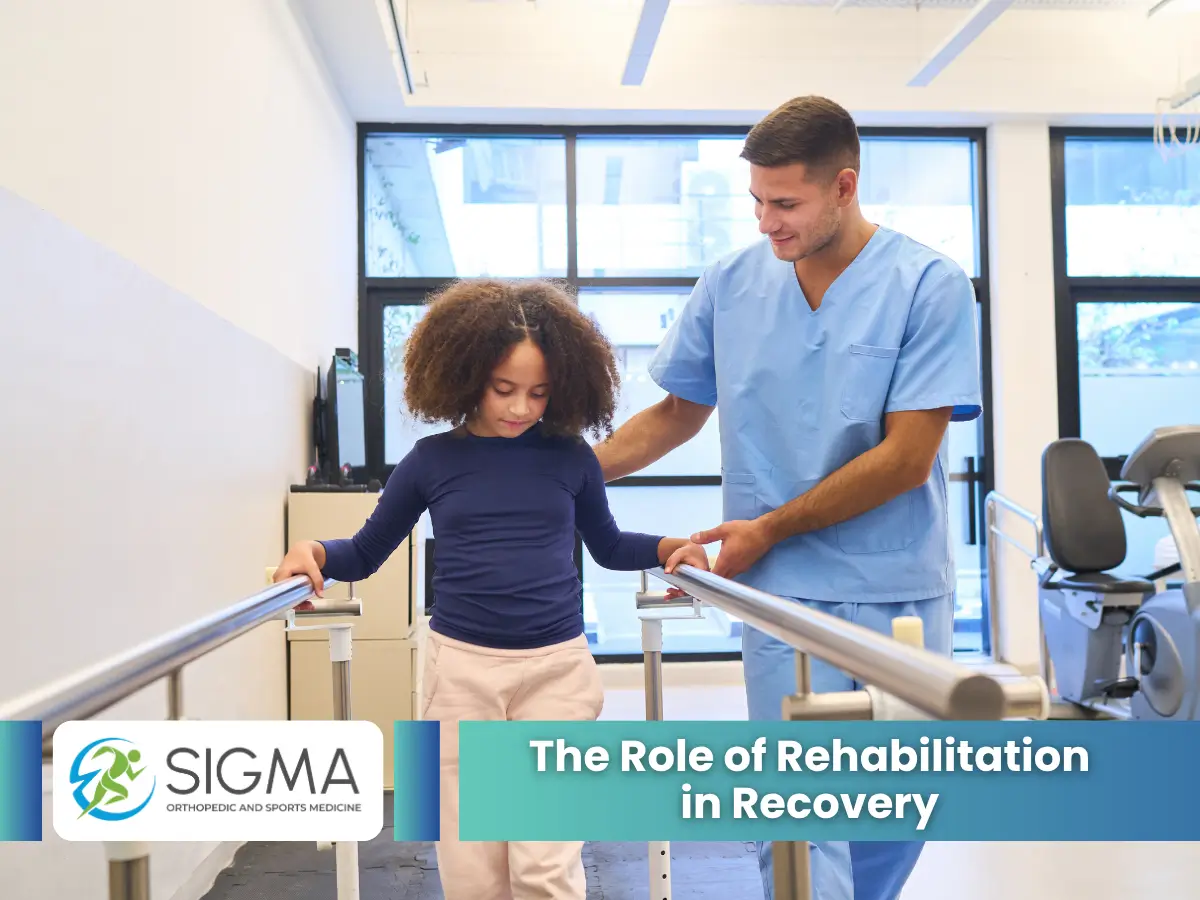
Treatment doesn’t end after diagnosis or surgery. In many cases, recovery is where the real work begins.
Rehabilitation focuses on:
- Restoring strength and flexibility
- Improving balance and coordination
- Preventing re-injury
A structured plan ensures your child doesn’t just heal, but returns stronger.
Think of it like learning to ride a bike again. You don’t just jump back on. You rebuild confidence, step by step.
A Parent’s Story: Clarity Changes Everything
One parent described their experience like this:
“My son had knee pain for months. We saw multiple providers, but nothing felt clear. At SIGMA, they explained everything step by step. We had a plan, a timeline, and finally, peace of mind.”
That’s the difference structured care makes. It removes the fog.
Questions to Ask Before Choosing a Pediatric Orthopedic Doctor
Before making a decision, ask questions that go beyond surface-level reassurance:
- What is the exact diagnosis, and how was it determined?
- What are the treatment options and expected outcomes?
- How will progress be measured?
- What does recovery look like week by week?
- Who will be involved in my child’s care?
A confident pediatric orthopedic doctor won’t rush these answers. They’ll welcome them.
Why Choose SIGMA Orthopedics for Your Child
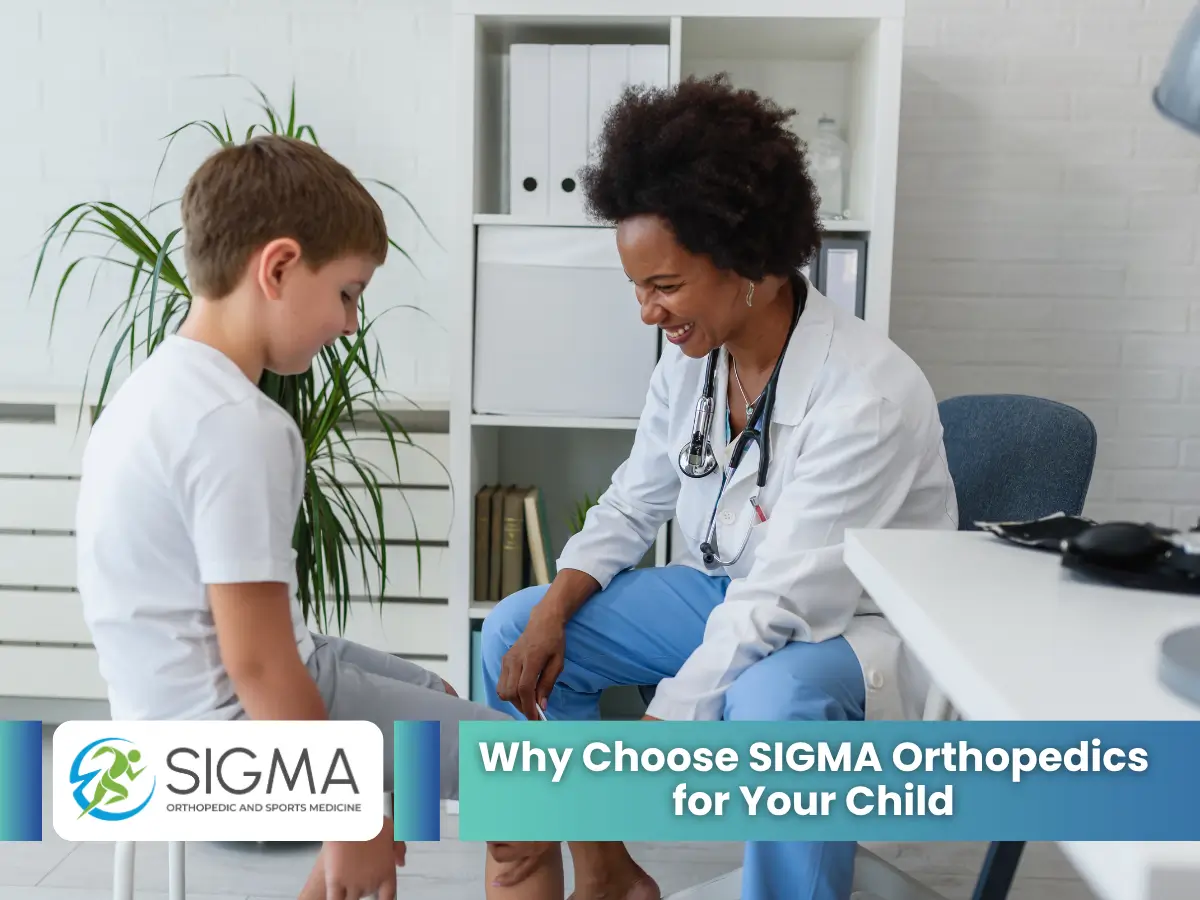
SIGMA Orthopedics approaches care differently. It’s not just about treatment. It’s about precision, coordination, and outcomes you can measure.
Here’s what sets them apart:
- Board-certified, fellowship-trained specialists
- Data-driven diagnosis and treatment planning
- Structured recovery pathways with clear milestones
- Collaborative, multi-specialty care teams
- Focus on measurable outcomes, not guesswork
Every step is designed to reduce uncertainty and improve results. Parents aren’t left wondering what’s next. Children aren’t left navigating recovery alone.
Conclusion
Choosing the right pediatric orthopedic surgeon is one of those decisions that carries weight. Not because something is wrong, but because something matters. Your child’s movement, confidence, and future.
The right specialist doesn’t just treat an injury. They guide a journey. From confusion to clarity. From pain to progress.
When care is precise, structured, and personalized, recovery stops feeling like a question mark and starts feeling like a plan.
If your child is experiencing pain, discomfort, or limited movement, don’t wait for it to get worse.
Call 833-SIGMA MD or visit Sigma Orthopaedics to request an appointment and get clear answers, personalized care, and a path forward you can trust.
Frequently Asked Questions
How do I know if my child needs a pediatric orthopedic surgeon?
If your child has persistent pain, difficulty moving, or injuries that don’t heal properly, it’s best to consult a specialist who understands growing bones and joints.
What is the difference between a pediatric orthopedic doctor and a general orthopedic specialist?
A pediatric specialist focuses on growth-related conditions and uses treatments designed specifically for children, ensuring safer and more effective outcomes.
Is pediatric orthopedic surgery always necessary?
No, most conditions are treated with non-surgical methods like therapy and rehabilitation. Surgery is only recommended when it clearly benefits long-term function.
How long does recovery usually take?
Recovery varies depending on the condition, but structured rehabilitation plans help children recover faster and more safely with measurable progress.
Can children fully recover from orthopedic injuries?
Yes, with early diagnosis and proper treatment, most children recover fully and return to normal activities without long-term issues.