Hip labral tear surgery recovery can feel like navigating a maze with no map. One misstep, too much weight, skipped exercises, or ignoring discomfort, and progress can stall, or worse, complications can arise. For anyone undergoing hip arthroscopy, understanding potential pitfalls is essential. Whether you’re facing arthroscopic hip surgery, hip arthroscopy with labral repair and femoroplasty, or keyhole hip surgery, recovery is a structured journey.
Understanding Hip Labral Tears and Surgery
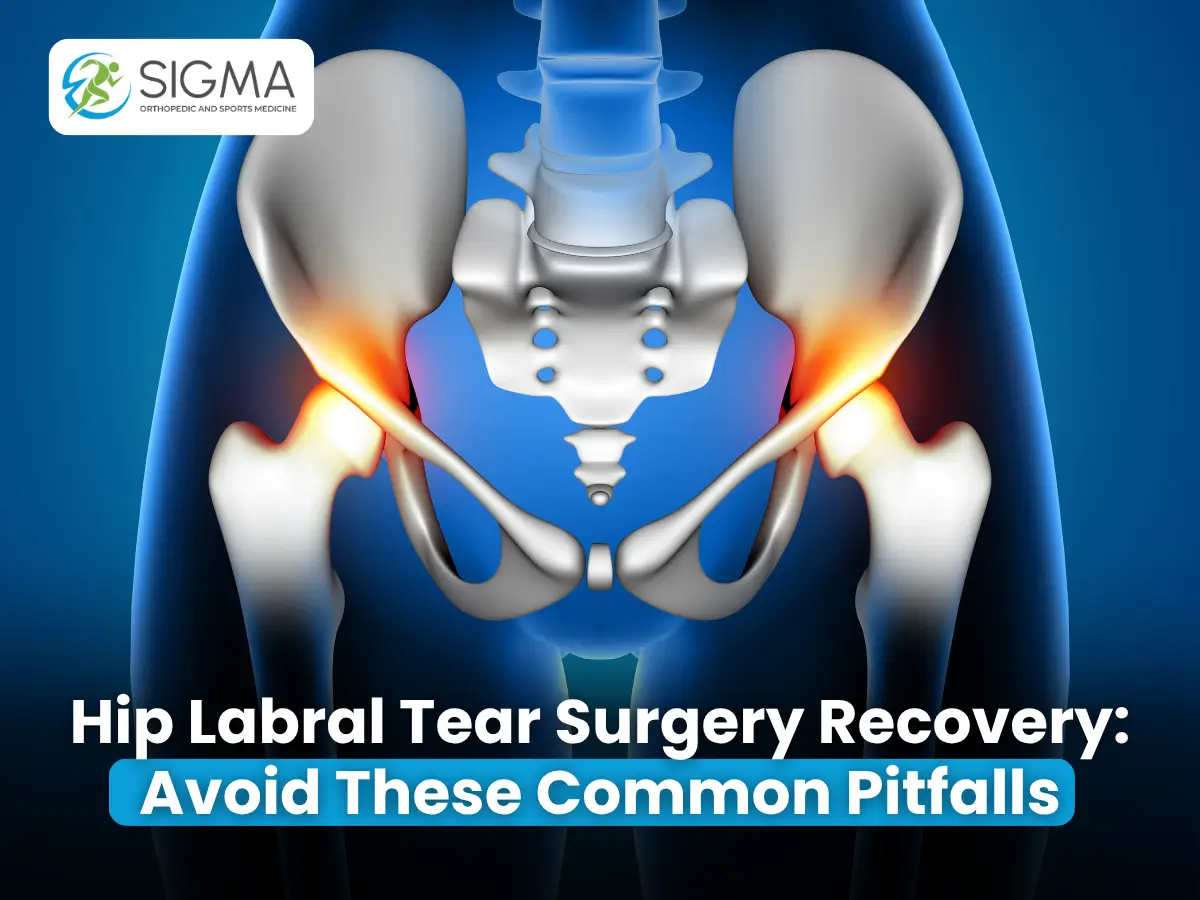
The labrum is a cartilage ring surrounding the hip socket, providing stability and smooth movement. When torn, it can cause pain, stiffness, or a catching sensation in the hip. Surgical repair often involves hip arthroscopy, a minimally invasive procedure, to trim, repair, or reconstruct the labrum.
According to the National Institute of Arthritis and Musculoskeletal and Skin Diseases (NIAMS), timely intervention can restore mobility and prevent early arthritis. Recovery, however, is just as important as the procedure itself.
Common Mistakes in Hip Labral Tear Surgery Recovery
Even the most motivated patients sometimes stumble during recovery. Here’s what to avoid:
- Overloading too soon – Walking without crutches or resuming high-impact activities prematurely can stress the repair.
- Skipping physical therapy – Targeted exercises are crucial for strength, balance, and mobility.
- Ignoring pain signals – Pain isn’t just discomfort; it’s your body signaling potential strain.
- Poor posture and gait habits – Limping or compensating can cause other joint issues.
- Neglecting nutrition and hydration – Healing tissue needs protein, vitamins, and adequate water.
Following these guidelines ensures the labrum tear hip surgery recovery stays on track and avoids setbacks.
Key Steps for a Smooth Recovery After Hip Arthroscopy
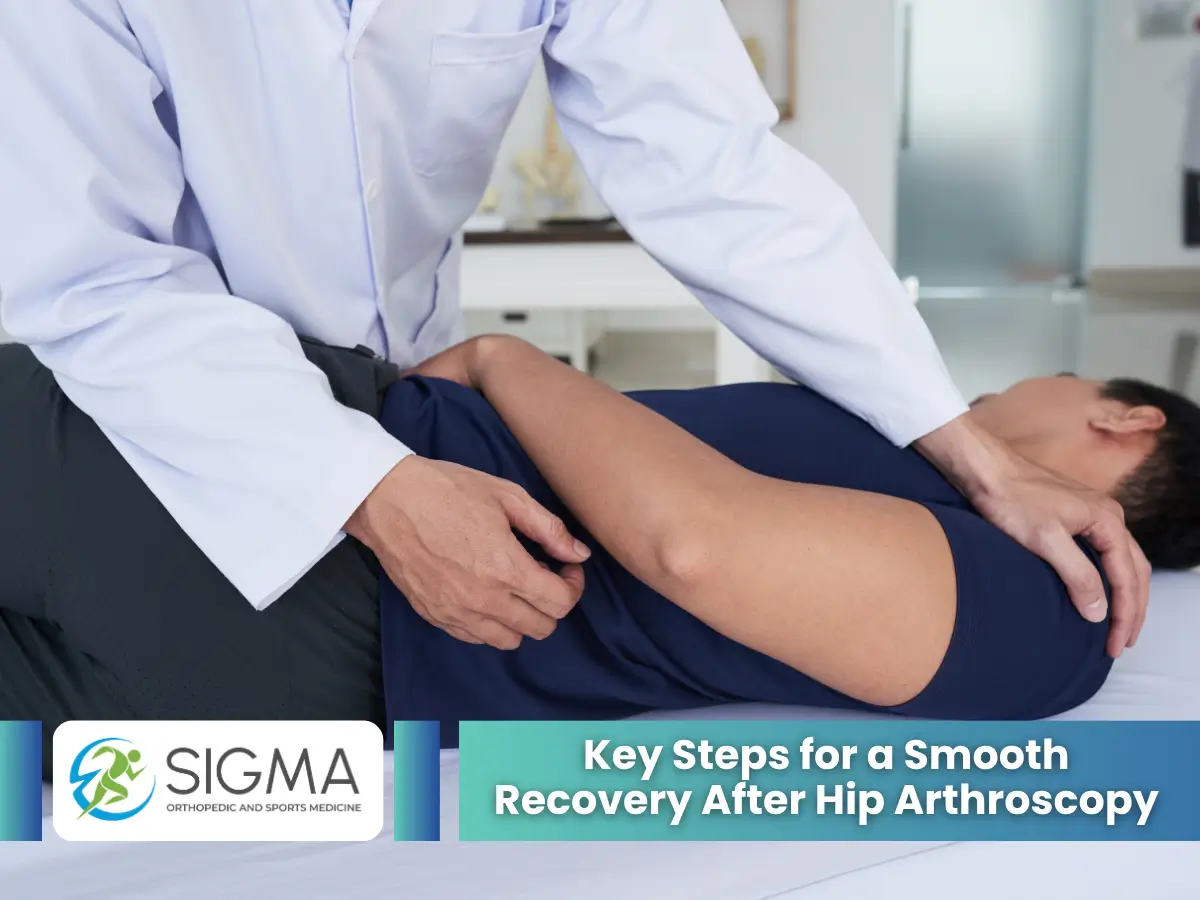
Recovery is structured around several core principles. Embracing them can dramatically improve outcomes:
1. Early Mobility and Gentle Movement
After keyhole hip surgery, gentle movement is vital to prevent stiffness. Physical therapists recommend:
- Passive range-of-motion exercises
- Gentle hip rotations
- Low-impact activities like stationary cycling
Avoid aggressive stretching in the first 4-6 weeks. The goal is controlled mobility, not speed.
2. Weight-Bearing Guidelines
During hip arthroscopy with labral repair and femoroplasty, weight-bearing restrictions are often in place. Patients typically:
- Use crutches for 2-6 weeks
- Progress gradually to full weight-bearing under professional guidance
- Focus on balance and proper gait patterns
Adhering strictly to these rules prevents stress on the healing labrum and minimizes hip labral tear surgery scar complications.
3. Targeted Rehabilitation Exercises
Structured hip labral tear surgery recovery exercises are essential. Common protocols include:
- Glute and core activation drills
- Hip abduction and adduction strengthening
- Low-impact aerobic conditioning
- Aquatic therapy for gentle resistance
Consistency is critical; skipping exercises can lengthen recovery and reduce long-term joint stability.
4. Pain Management and Scar Care
Managing discomfort helps patients stay active without risking the repair. Approaches include:
- Ice and heat therapy
- Prescription or over-the-counter anti-inflammatories
- Monitoring the hip labral tear surgery scar for signs of infection or abnormal healing
Proper scar care, including cleaning and gentle massage after the incision heals, improves outcomes and reduces tissue adhesion.
Pitfalls to Avoid During Labrum Tear Hip Surgery Recovery
Even with the best care, certain mistakes can seriously derail progress after hip labral tear surgery recovery. Awareness and prevention are key:
- Rushing back to high-impact sports or running – Jumping into activities like running, basketball, or tennis too soon can strain the repaired labrum, causing pain, inflammation, or even re-tears. Follow your surgeon’s timeline and gradually increase intensity to protect long-term joint health.
- Neglecting professional guidance for exercises – Skipping physical therapy or doing exercises incorrectly can limit strength gains and reduce hip stability. Structured labrum tear hip surgery recovery programs are designed to progressively restore range of motion, strengthen surrounding muscles, and improve balance safely.
- Ignoring hip pain or swelling – Pain isn’t just an annoyance; it’s a signal that something may be wrong. Swelling or discomfort may indicate overuse, improper movement, or even infection. Prompt reporting to your orthopedic team allows timely adjustments to your rehabilitation plan.
- Failing to maintain a balanced diet for tissue healing – Nutrition plays a crucial role in tissue repair. Protein, vitamin C, zinc, and omega-3 fatty acids support collagen formation and reduce inflammation. Skipping proper meals or staying dehydrated can slow recovery and compromise outcomes.
- Poor gait and posture habits – Limping or favoring one leg can lead to hip, knee, or lower back strain. Using crutches properly, maintaining correct posture, and following a keyhole hip surgery walking plan ensures your entire kinetic chain heals without compensation injuries.
Adhering to a structured hip arthroscopy recovery plan ensures consistent improvement, minimizes risks, preserves long-term joint function, and gives you a predictable roadmap back to normal activity. Patients who follow every step, from controlled weight-bearing to targeted exercises, report faster recovery and greater confidence in movement.
Why Choose SIGMA Orthopedics for Hip Labral Tear Surgery
SIGMA Orthopedics stands out for seniors and active adults seeking hip labral tear surgery recovery that’s predictable, structured, and measurable. Their approach combines:
- Board-certified specialists with international surgical expertise
- Multi-specialty collaboration ensuring diagnosis, surgery, and rehab align
- Measured outcomes tracking to monitor progress
- Personalized treatment roadmaps tailored to each patient
- Integration of non-surgical, surgical, and regenerative care for optimal joint health
Patients don’t just undergo surgery; they gain clarity, confidence, and a timeline for returning to the activities they love.
Conclusion
Recovery from hip labral tear surgery is a delicate balance between patience, discipline, and guided exercise. Avoiding common pitfalls, following structured rehab, and adhering to professional guidance ensure faster recovery, better outcomes, and reduced risk of complications. Whether undergoing arthroscopic hip surgery, keyhole hip surgery, or hip arthroscopy with labral repair and femoroplasty, understanding the recovery journey empowers patients to regain mobility safely.
Choose SIGMA Orthopedics for a collaborative, outcome-focused, and structured approach to hip labral tear surgery recovery. Board-certified specialists, precise surgical techniques, and measurable rehabilitation ensure patients regain function and confidence.
Call 833-SIGMA MD or Request an Appointment to start your recovery journey today.
Frequently Asked Questions
What is the typical recovery time after hip labral tear surgery?
Recovery usually ranges from 3 to 6 months, depending on the extent, adherence to the labrum tear hip surgery recovery protocols, and patient health.
Can I walk normally immediately after hip arthroscopy?
Most patients need crutches for 2-6 weeks. Gradual progression and supervised rehabilitation are crucial for safe weight-bearing.
Will I have a visible scar after surgery?
The scar from hip labral tear surgery is typically small due to minimally invasive keyhole hip surgery techniques. Proper care reduces visibility.
What exercises are safe during early recovery?
Gentle mobility exercises, glute activation, and low-impact aerobic activity are recommended. Avoid high-impact or deep stretching until cleared by a specialist.
Can older adults undergo hip labral tear surgery safely?
Yes. Hip arthroscopy is safe for older adults, but recovery may require additional support, structured exercises, and close monitoring.