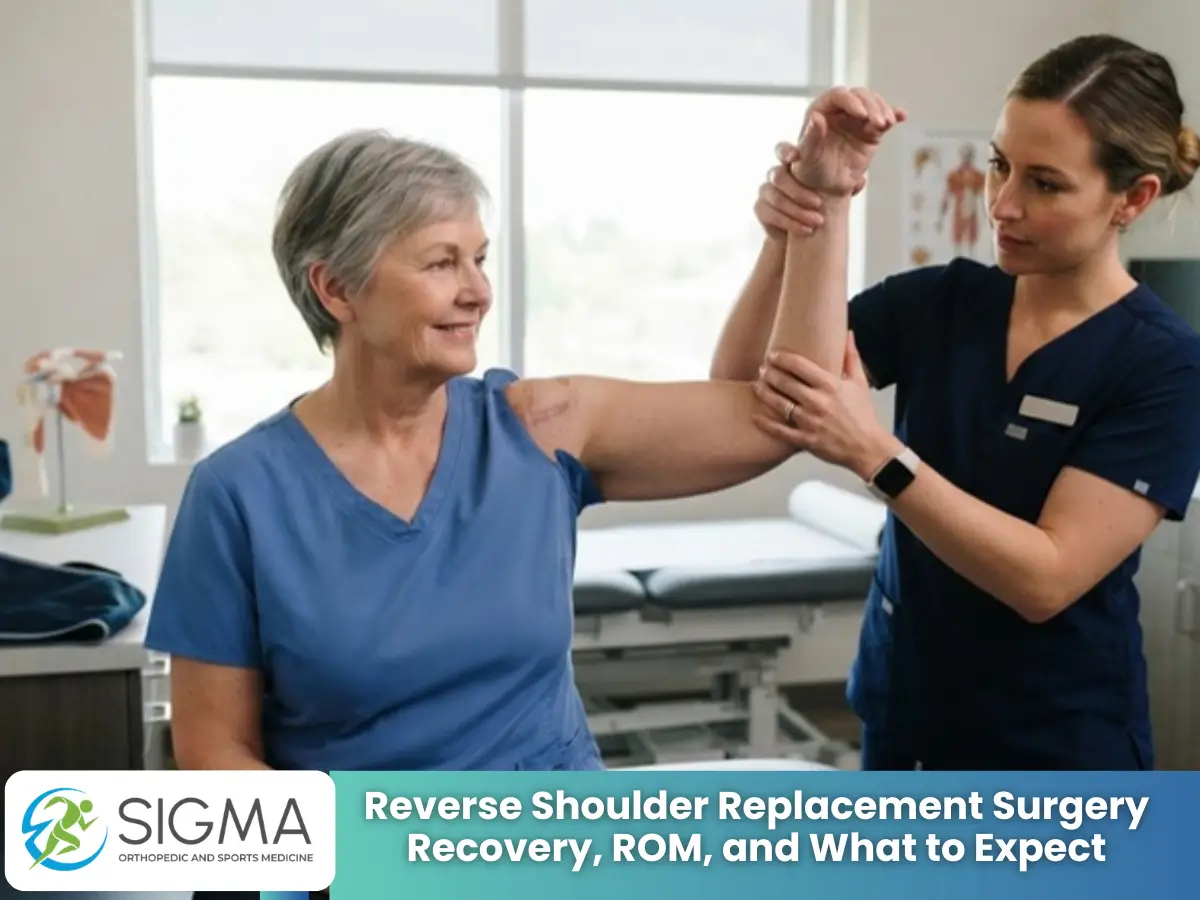
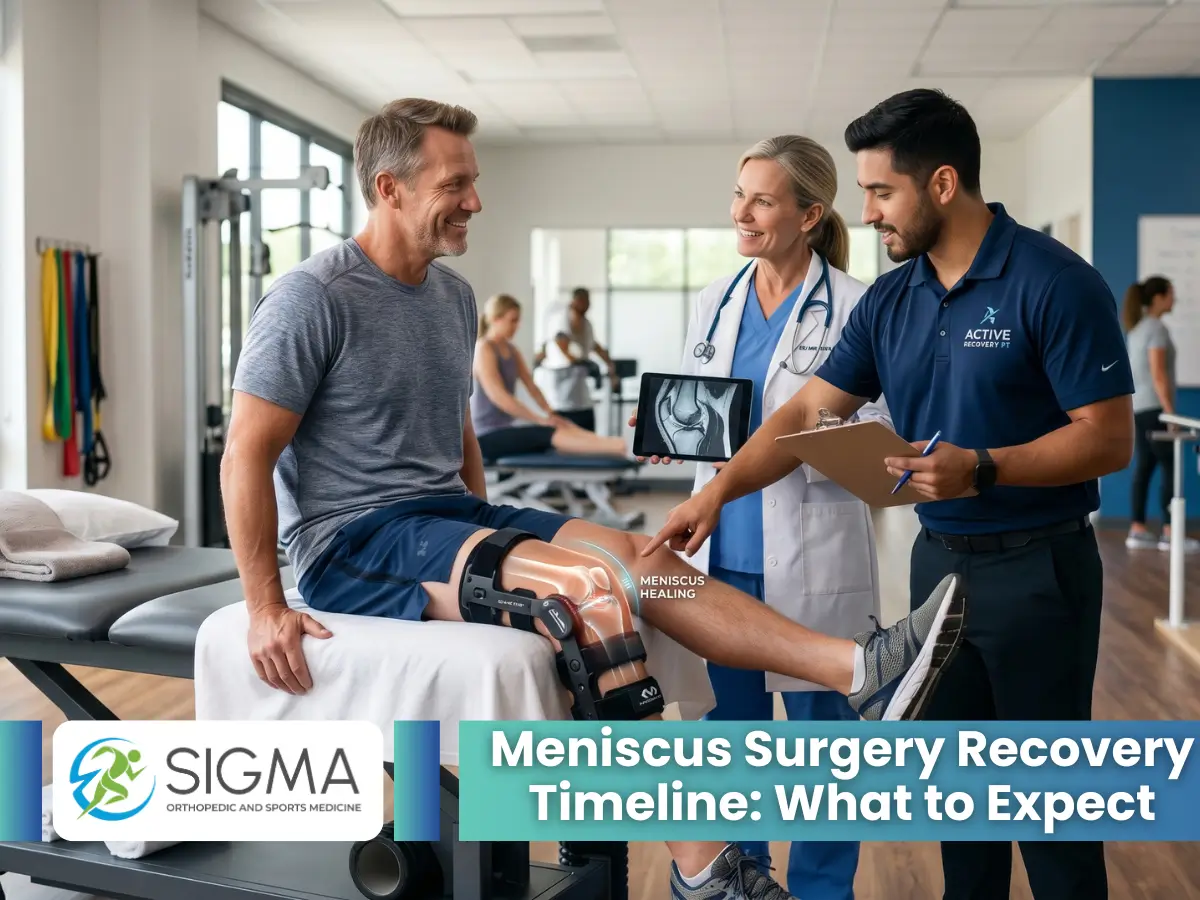
Recovering from meniscus surgery usually takes anywhere from a few weeks to several months depending on the type of tear, the surgical approach, and your overall health. Most people can walk within days to weeks, but returning to sports, heavy activity, or physically demanding work often takes longer. Understanding the healing timeline can help you avoid setbacks and recover more confidently.
A meniscus injury affects one of the shock-absorbing cartilage structures inside the knee. Surgery is commonly recommended when pain, swelling, locking, or instability continues despite rest and conservative treatment. While the operation itself is important, recovery plays an even bigger role in how well your knee functions long term.
Many patients expect improvement immediately after surgery, but healing happens in stages. Your knee may feel stiff, weak, or swollen at first, even if the procedure went well. Knowing what is normal during each phase can reduce frustration and help you stay consistent with rehabilitation.
At Sigma Orthopedics & Sports Medicine, patients often ask the same question after surgery: “When will my knee feel normal again?” The answer depends on how well the repaired tissue heals and how carefully you follow your recovery plan.
Why Recovery Time Can Vary So Much
Not all meniscus surgeries are the same. Some procedures involve trimming away damaged cartilage, while others involve repairing the tissue with stitches so it can heal naturally. Recovery is typically faster after a partial meniscectomy because there is less tissue healing involved. Meniscus repairs usually require more protection and a slower return to activity.
If you want a deeper breakdown of different surgical approaches, this guide on meniscus surgery types, recovery, and risks explains how treatment decisions are made based on the injury and patient goals.
Age also matters. Younger patients with healthy cartilage and strong circulation often heal faster than older adults with arthritis or long-standing degeneration. Activity level before surgery can influence recovery as well. Someone who already has good muscle strength and mobility often regains function more quickly.
The location of the tear inside the meniscus is another major factor. Areas with better blood supply heal more effectively than regions with limited circulation. According to the American Academy of Orthopaedic Surgeons, tears near the outer edge of the meniscus generally have a greater chance of successful healing after repair.
For adults considering surgery later in life, this article about meniscus repair over age 50 discusses healing expectations and factors that can affect long-term knee function.
The First Week After Surgery
The first several days are usually focused on controlling swelling and protecting the knee. Ice, elevation, and prescribed pain medications are commonly used during this period.
Walking after meniscus surgery often begins very early, but the amount of weight you can place on the leg depends on the procedure. Some patients can bear weight immediately with crutches, while others may need to limit pressure on the knee for several weeks.
A brace may be recommended to keep the knee stable and protect healing tissue. It can feel restrictive at first, but it helps prevent movements that could interfere with recovery.
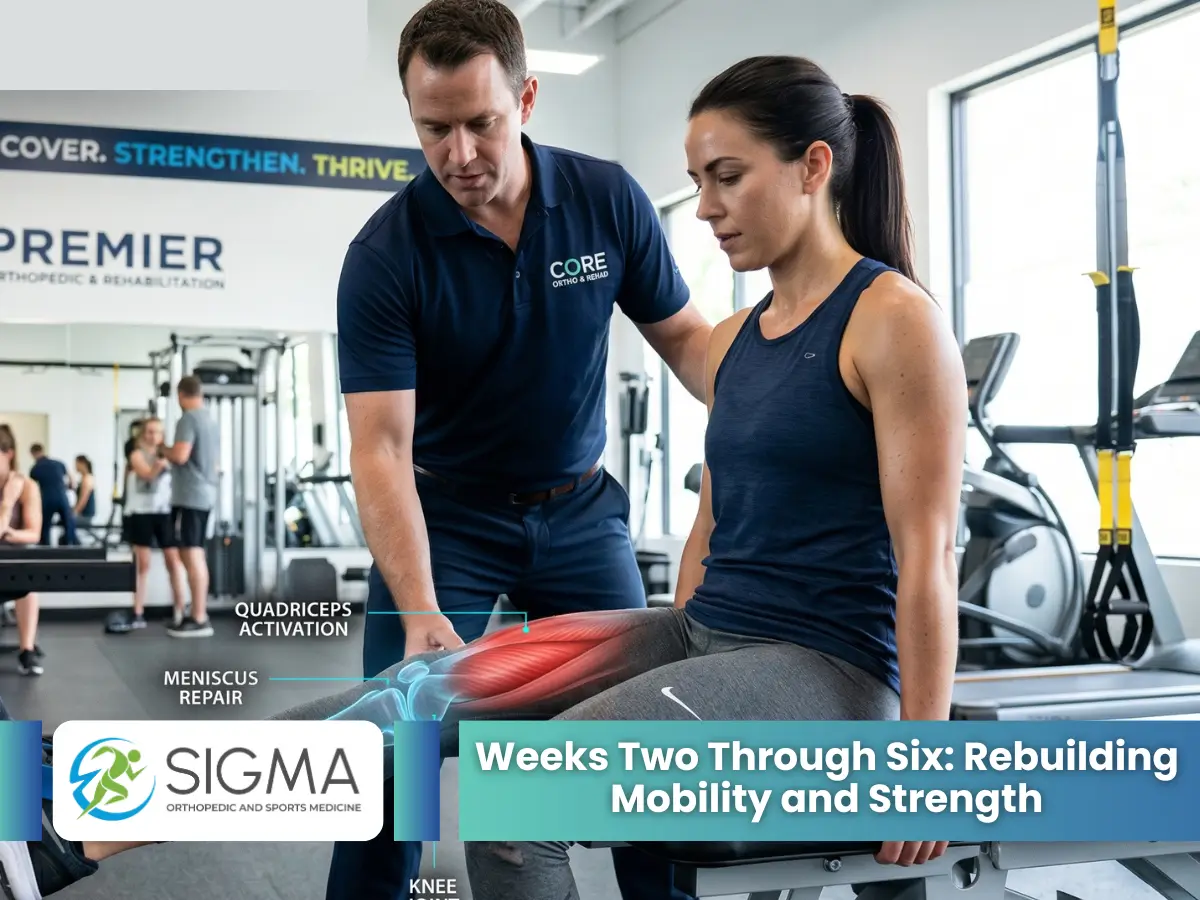
Physical therapy often starts within days of surgery. Early sessions usually focus on gentle motion, swelling reduction, and activating the quadriceps muscles. Regaining full extension of the knee is especially important during this stage because stiffness can become difficult to reverse later.
Patients recovering from other knee procedures, including ACL reconstruction surgery, often follow similar early rehabilitation principles focused on swelling control and restoring safe movement.
Weeks Two Through Six: Rebuilding Mobility and Strength
This period is when many people begin noticing gradual improvement. Swelling starts decreasing, walking becomes easier, and range of motion improves steadily. However, the knee is still healing internally, even if pain levels are lower.
Patients recovering from a meniscus repair are usually more restricted during this stage than those recovering from cartilage removal. Twisting, squatting, and deep bending are commonly limited to protect the repaired tissue.
A structured knee surgery rehab timeline often includes progressive strengthening exercises during these weeks. Physical therapists focus heavily on restoring muscle control around the knee and hip because weakness can place extra stress on the joint.
Common rehabilitation exercises may include controlled leg raises, stationary biking, balance drills, and light resistance training. These movements are designed to improve stability without overloading healing cartilage.
For patients dealing with kneecap alignment issues during recovery, these patellar tracking disorder exercises may also help improve lower-body mechanics and stability.
According to Johns Hopkins Medicine, gradual progression during rehabilitation is essential because aggressive activity too early can delay recovery.
Many patients return to desk work within one to two weeks, although physically demanding jobs may require significantly longer restrictions.
When Walking Starts Feeling Normal Again
One of the biggest concerns patients have is walking comfortably without limping. This usually improves gradually rather than suddenly.
After a partial meniscectomy, some people walk relatively normally within two to four weeks. Recovery after repair surgery often takes longer because the tissue needs time to heal securely before full loading is allowed.
Even when walking becomes easier, stairs, uneven surfaces, and prolonged standing may still cause discomfort for several weeks. Muscle weakness is often responsible for lingering instability rather than the surgery itself.
Walking after meniscus surgery should become progressively smoother over time. Persistent limping, sharp pain, or worsening swelling may indicate overuse or delayed healing and should be discussed with your orthopedic specialist.
Many athletes recovering from ligament injuries also experience similar movement challenges during rehabilitation. This guide on knee ligament repair for athletes explains how stability and muscle control affect long-term recovery outcomes.
The Role of Physical Therapy in Long-Term Recovery
Surgery repairs the mechanical problem inside the knee, but rehabilitation restores movement, strength, and confidence. Patients who skip therapy or stop exercising too early often struggle with ongoing stiffness and weakness.
A good rehabilitation plan focuses on more than just the knee joint. Hip strength, balance, walking mechanics, and flexibility all influence recovery outcomes.
Many patients underestimate how long muscle weakness can persist after surgery. The quadriceps muscles can shut down quickly after knee injuries, making it harder to stabilize the joint during daily activities.
This is why knee recovery exercises remain important even after pain improves. Consistency matters more than intensity during rehabilitation. Gradual progress usually produces better long-term results than trying to return to full activity too quickly.
The National Institutes of Health has published research showing that structured rehabilitation significantly improves knee function and overall recovery outcomes following meniscus procedures.
Some patients also explore regenerative treatments alongside rehabilitation. This comparison of PRP therapy versus surgery options explains how biologic therapies may support certain orthopedic recovery plans.
Returning to Exercise and Sports
Returning to physical activity depends heavily on healing progress and the demands of the activity itself.
Low-impact exercise such as cycling, swimming, or elliptical training may begin relatively early once swelling decreases and strength improves. Running, pivoting, jumping, and contact sports require much more caution because these movements place substantial stress on the meniscus.
Athletes recovering from repair procedures often need several months before safely returning to competition. Even then, strength, balance, and movement quality must be carefully evaluated.
Trying to return too early increases the risk of reinjury. Some patients feel mentally ready before the knee is physically prepared. That mismatch can lead to setbacks that prolong recovery.
At Sigma Orthopedics & Sports Medicine, rehabilitation plans are often tailored to a patient’s activity goals, whether that means returning to recreational walking or competitive athletics.
Athletes looking to reduce future injury risk may also benefit from these sports medicine injury prevention tips focused on joint protection and movement mechanics.
What Swelling and Pain Are Normal?
Some swelling can continue for several months, especially after increased activity. Mild soreness after therapy or exercise is also common during recovery.
However, certain symptoms should not be ignored. Increasing redness, severe swelling, fever, calf pain, or inability to bear weight may signal complications that require medical evaluation.
Patients recovering from ligament surgery sometimes experience similar warning signs. These bad signs after ACL surgery can help patients recognize when symptoms may require medical attention.
Many patients become concerned when the knee still feels “different” several months after surgery. That sensation is often part of the healing process, especially after repair procedures. Internal tissue remodeling continues long after incisions heal externally.
Pain should generally improve gradually over time. Sharp mechanical catching, repeated locking, or worsening instability may suggest ongoing problems inside the joint.
How Long Until Full Recovery?
There is no universal timeline because every patient heals differently. Still, most recovery patterns follow a general range.
After a partial meniscectomy, many patients resume most normal activities within four to eight weeks. Full recovery after meniscus repair may take three to six months or longer depending on the tear and rehabilitation progress.
Athletes involved in cutting or pivoting sports sometimes require additional recovery time before returning safely. Some residual stiffness or occasional soreness may continue even after returning to normal life.
Patience is one of the hardest parts of recovery. Many people feel significantly better before the meniscus is fully healed internally. Following medical guidance carefully during this phase can help reduce the risk of future knee problems.
Patients concerned about future joint damage may also want to read about long-term side effects of meniscus surgery and strategies for preserving knee health after recovery.
Protecting Your Knee After Recovery
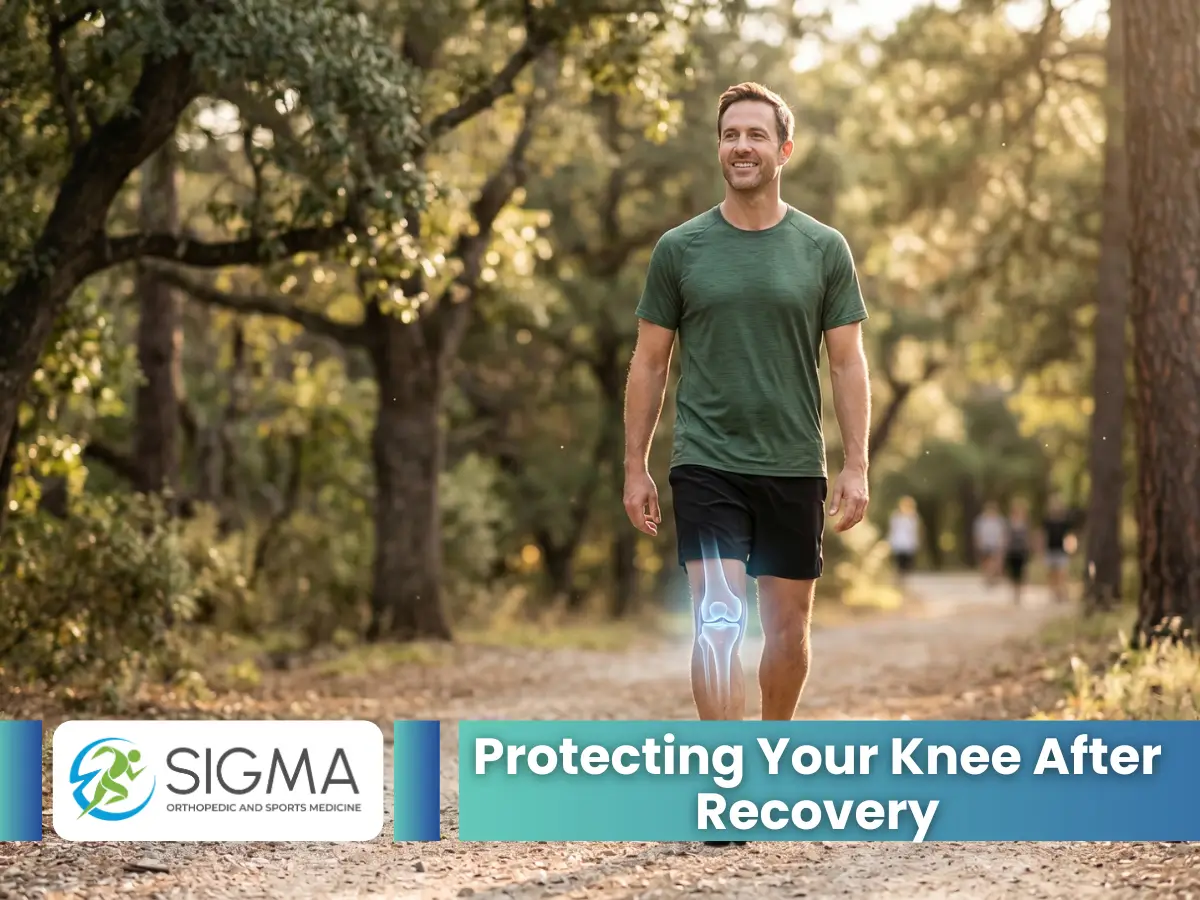
Long-term knee health depends on more than the surgery itself. Protecting the joint after recovery can reduce stress on the meniscus and lower the risk of reinjury.
Maintaining healthy leg strength helps stabilize the knee during movement. Flexibility, balance training, and proper exercise form also reduce strain on cartilage structures.
Body weight can influence knee pressure significantly. According to the Arthritis Foundation, even modest weight management can reduce stress on the knee joint and improve long-term function.
Some patients may also benefit from exploring joint preservation treatment approaches designed to support cartilage health and delay degeneration.
For patients worried about arthritis development later on, this guide on preventing arthritis after meniscus surgery explains practical ways to protect the knee long term.
Final Thoughts
Recovering from meniscus surgery is a gradual process that requires patience, consistency, and realistic expectations. While some people recover quickly, others need several months before strength and mobility fully return. The key is understanding that healing happens in stages, and progress is rarely perfectly linear.
Following a structured rehabilitation plan, staying active within safe limits, and avoiding the urge to rush recovery can make a major difference in long-term knee function. Whether your goal is walking comfortably, returning to sports, or simply moving without pain, steady rehabilitation gives your knee the best chance to heal properly.
At Sigma Orthopedics & Sports Medicine, personalized recovery guidance helps patients navigate each stage of healing with greater confidence and clarity.
FAQ Section
How long does it take to recover from meniscus surgery?
Recovery can range from a few weeks to several months depending on the type of surgery performed. Partial meniscus removal usually heals faster than meniscus repair procedures.
When can I walk normally after surgery?
Many patients begin walking within days using crutches, but normal walking patterns may take several weeks to return. Recovery speed depends on swelling, muscle strength, and the surgical technique used.
Is physical therapy necessary after meniscus surgery?
Yes. Physical therapy helps restore strength, mobility, balance, and knee stability. Rehabilitation is one of the most important parts of successful recovery.
What activities should I avoid during recovery?
Twisting, deep squatting, running, jumping, and high-impact sports are commonly restricted early in recovery to protect healing tissue.
Can meniscus surgery fail?
Although many surgeries are successful, reinjury or incomplete healing can occur. Following rehabilitation instructions carefully lowers the risk of complications.
How long does swelling last after surgery?
Mild swelling can continue for weeks or even months, especially after increased activity. Swelling should gradually improve rather than worsen over time.