
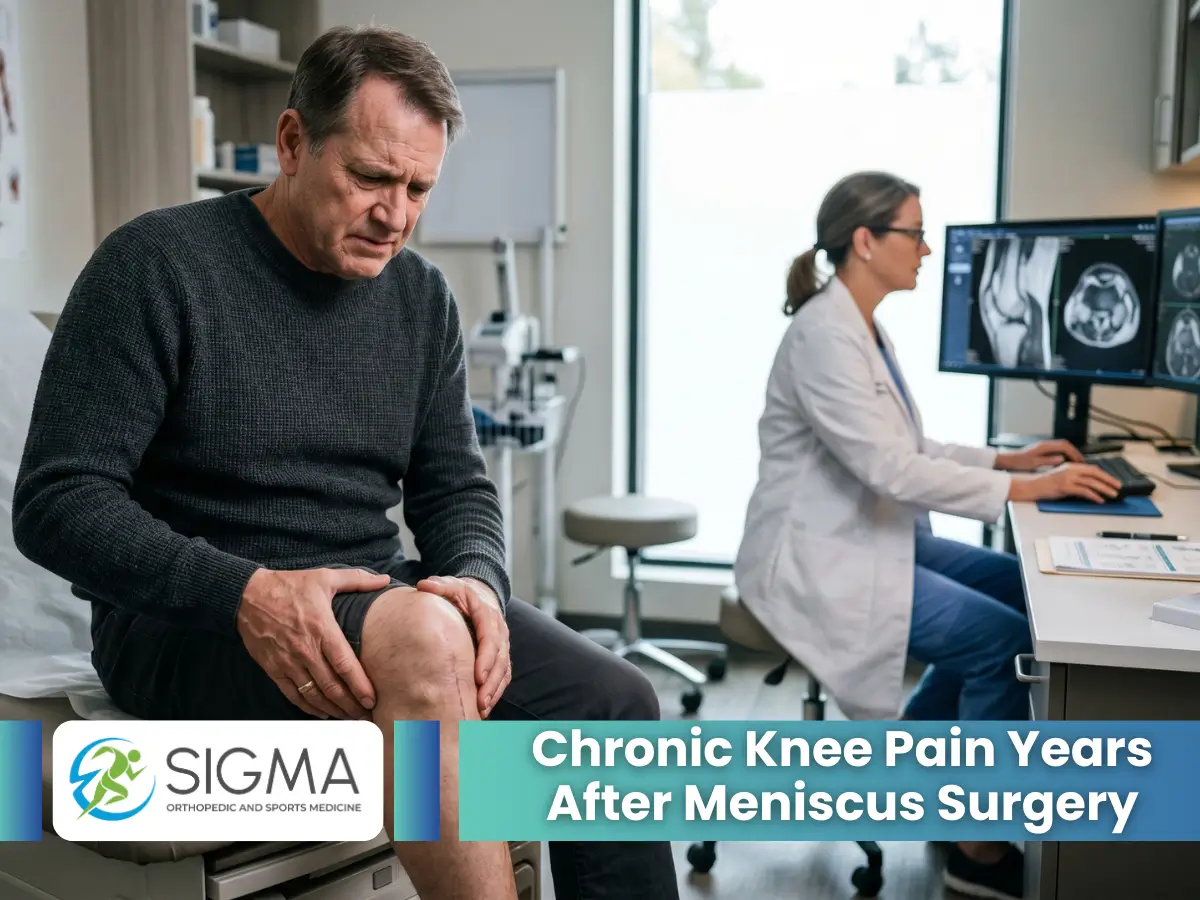
Persistent knee pain years after meniscus surgery is more common than many patients expect. While meniscus procedures often reduce pain and improve mobility in the short term, some people later develop stiffness, swelling, instability, or discomfort that gradually interferes with daily activities again.
In many cases, the issue is not a failed surgery. Instead, the pain is usually related to long-term joint changes such as cartilage wear, altered knee mechanics, inflammation, or loss of cushioning inside the joint. Understanding these causes can help patients seek the right treatment before symptoms become more severe.
Why Some Knees Become Painful Again Long After Surgery
The meniscus plays an important role in absorbing force inside the knee joint. Even when surgery is successful, removing damaged tissue changes how pressure moves through the knee during walking, climbing stairs, exercising, and standing.
Over time, these changes may increase stress on the cartilage and surrounding structures. Some patients remain symptom-free for years before noticing discomfort returning gradually.
This delayed progression explains why some people experience knee pain 20 years after meniscus surgery despite recovering well initially.
Unlike acute injuries, chronic post-surgical pain usually develops slowly. Many patients first notice mild stiffness after activity before symptoms begin affecting daily movement.
In some patients, persistent discomfort may also be related to the broader long-term side effects of meniscus surgery, including chronic inflammation, cartilage stress, and reduced joint cushioning over time.
How Joint Degeneration Contributes to Chronic Pain
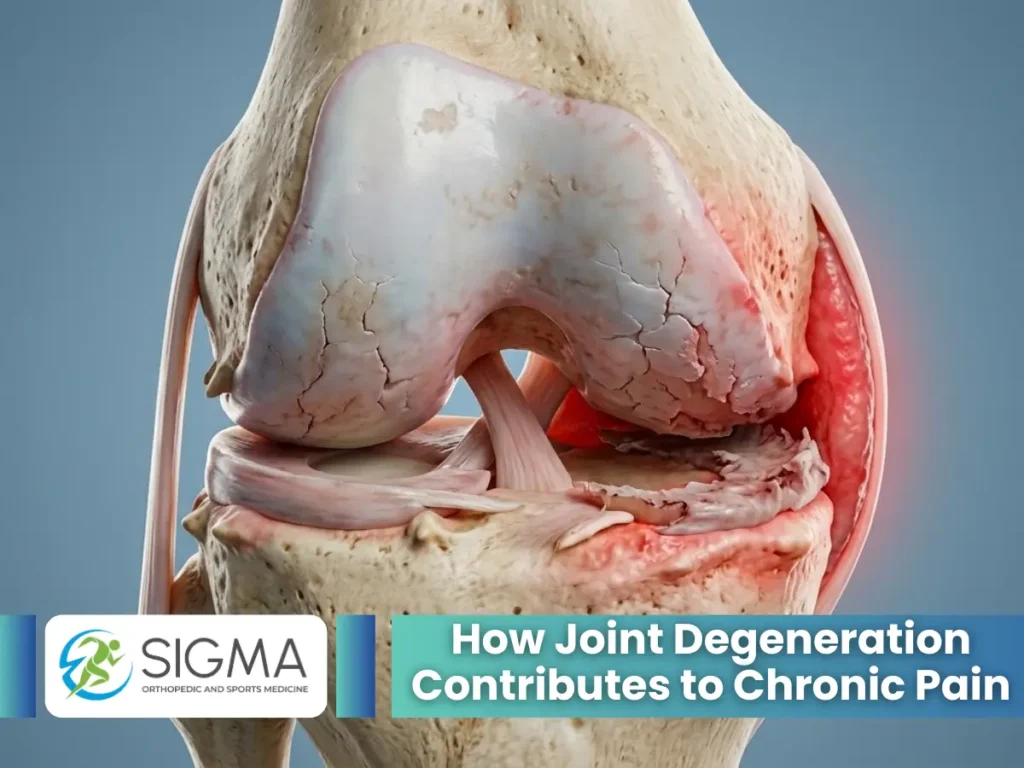
One of the most common long-term problems after meniscus surgery involves gradual cartilage deterioration inside the knee joint.
When part of the meniscus is removed, the knee may lose some of its natural shock absorption. This can increase contact pressure between the bones and accelerate wear on the joint surfaces over time. As cartilage gradually becomes thinner, patients may begin noticing discomfort during walking, stiffness in the morning, swelling after activity, or grinding sensations while climbing stairs.
Unlike sudden sports injuries, this type of degeneration usually progresses slowly. Some individuals may not notice meaningful symptoms until many years after their original surgery.
According to the American Academy of Orthopaedic Surgeons, preserving healthy meniscal tissue is important for maintaining long-term joint function and reducing stress on cartilage surfaces.
Understanding Post-Meniscectomy Syndrome
Some patients develop ongoing discomfort known as post meniscectomy syndrome. This condition refers to persistent pain that occurs after part of the meniscus has been removed.
Without adequate cushioning, the knee joint experiences repetitive overload during normal movement. Patients often describe a deep aching sensation inside the knee that worsens after prolonged standing, exercise, squatting, or repetitive activity. Swelling may return intermittently, and some people notice that their endurance for walking or physical activity gradually decreases over time.
The severity varies between individuals depending on cartilage health, alignment, activity level, and how much meniscal tissue was removed during surgery.
Scar Tissue Can Continue Affecting Movement
Not all chronic symptoms are caused by arthritis or cartilage loss. Meniscus scar tissue build up can also contribute to ongoing pain and restricted movement years later.
Scar tissue naturally forms during healing, but excessive tissue may interfere with smooth joint motion or irritate structures inside the knee. Some patients experience clicking sensations, pulling discomfort, tightness while bending, or difficulty fully flexing the knee.
Scar tissue-related symptoms are sometimes mistaken for recurrent meniscus damage because the sensations can feel very similar. In other cases, lingering inflammation around scar tissue continues irritating the joint long after the original procedure.
Why Pain Sometimes Develops Behind the Knee
Pain behind the knee after meniscus surgery may involve several different structures inside and around the joint.
Inflammation can increase fluid production within the knee, which sometimes leads to swelling that extends into the back of the joint. Some patients develop Baker’s cysts caused by ongoing irritation and excess fluid accumulation.
In other cases, posterior knee discomfort may come from tendon irritation, muscle tightness, or cartilage wear affecting the back compartment of the knee. The location and timing of pain often help orthopedic specialists identify whether symptoms are related to soft tissue irritation, inflammation, or progressive degeneration.
Knee Buckling and Instability After Surgery
Knee buckling after meniscus surgery can develop when the joint no longer stabilizes properly during movement.
Some patients describe sudden giving-way sensations while walking or descending stairs. Others notice weakness or feel unable to fully trust the knee during activity. This instability may occur because chronic pain reduces muscle activation around the joint, particularly in the quadriceps muscles that help stabilize the knee.
Inflammation, cartilage deterioration, and mechanical irritation inside the joint can also contribute to instability over time. Repeated buckling episodes should not be ignored because they may increase the risk of falls or additional injury.
Could a New Meniscus Tear Be Causing Symptoms?

A previous meniscus procedure does not eliminate the possibility of future tears.
Degenerative changes inside the knee can weaken the remaining cartilage over time, particularly in active individuals or patients already experiencing joint wear. Some people develop sharp pain during twisting movements, swelling after activity, locking sensations, or difficulty fully bending the knee.
However, many painful knees after surgery are actually caused by joint degeneration rather than a completely new tear. This distinction matters because treatment recommendations may differ significantly depending on the underlying source of symptoms.
How Chronic Post-Surgical Knee Pain Is Diagnosed
Evaluating long-term pain after meniscus surgery requires a detailed orthopedic assessment.
Doctors typically review prior procedures, current symptoms, activity limitations, walking mechanics, joint stability, muscle strength, and overall knee alignment. Imaging studies often help identify structural changes occurring inside the joint.
X-rays may reveal cartilage loss or narrowing within the knee, while MRI scans can evaluate inflammation, scar tissue, cartilage surfaces, and remaining meniscal tissue. In some cases, gait abnormalities or muscle imbalances may also contribute to ongoing stress inside the joint.
At clinics such as SIGMA Orthopedics and Sports Medicine, evaluation often focuses on understanding the overall function of the knee rather than identifying only one isolated structural issue.
Non-Surgical Treatments for Long-Term Knee Symptoms
Many patients with chronic post-surgical discomfort improve without additional surgery.
The most effective treatment plans usually focus on reducing joint stress, improving movement quality, and restoring muscular support around the knee. Physical therapy remains one of the most valuable approaches because strengthening surrounding muscles may reduce pressure inside the joint while improving stability and mobility.
Low-impact exercise often helps maintain joint function without worsening inflammation. Walking on even surfaces, cycling, swimming, and controlled strengthening exercises are commonly recommended for long-term knee protection.
Some patients also benefit from anti-inflammatory medications, supportive bracing, activity modification, or injection-based therapies depending on the severity of symptoms.
The Mayo Clinic emphasizes that exercise-based rehabilitation can improve chronic knee pain and joint function in many patients with degenerative knee conditions.
Injection Therapies for Persistent Symptoms
When conservative care is not enough, injection therapies may help reduce inflammation and improve comfort.
Depending on the underlying condition, treatment options may include corticosteroid injections, hyaluronic acid injections, or platelet-rich plasma therapy. These approaches are not appropriate for every patient, but they may provide temporary symptom relief in cases involving inflammation or early joint degeneration.
When Further Surgical Treatment May Be Considered
Additional surgery is not always necessary, but some patients eventually require further intervention when structural damage progresses significantly.
Surgical decisions depend on factors such as cartilage loss, knee alignment, stability, symptom severity, and overall activity level. Depending on the condition of the joint, procedures may include revision arthroscopy, cartilage restoration procedures, meniscus transplantation, or knee replacement in advanced degenerative cases.
Older adults considering revision procedures or cartilage-preserving surgery may also want to understand how outcomes differ with age and what to expect from meniscus repair over age 50.
The goal of treatment is usually to improve long-term function while reducing pain that no longer responds to conservative care.
Protecting Knee Function Long-Term
Patients who have undergone meniscus surgery can often protect long-term knee health by minimizing repetitive joint overload.
Maintaining lower body strength helps support the knee during movement and may reduce stress on cartilage surfaces. Weight management also plays an important role because excess body weight increases pressure inside the joint during everyday activities.
In many cases, modifying high-impact exercise routines may help reduce worsening degeneration over time. Patients concerned about joint deterioration can also benefit from learning practical strategies for preventing arthritis after meniscus surgery, including strength training, mobility work, and activity modification.
The Centers for Disease Control and Prevention Arthritis Program notes that regular physical activity and joint-strengthening exercise are important for preserving mobility and reducing long-term disability.
When to Seek Medical Evaluation
Occasional soreness after activity may not always indicate a serious problem. However, persistent or worsening symptoms deserve medical attention.
Patients should consider orthopedic evaluation if they develop frequent swelling, increasing stiffness, repeated instability, locking sensations, pain that interrupts sleep, or difficulty walking and climbing stairs. Early assessment may help identify problems before degeneration progresses further.
SIGMA Orthopedics and Sports Medicine often evaluates chronic knee conditions using individualized treatment strategies focused on preserving mobility and improving long-term quality of life.
Final Thoughts
Chronic discomfort after meniscus surgery can develop for several different reasons, including cartilage wear, inflammation, scar tissue formation, instability, or gradual joint degeneration. For many patients, symptoms appear slowly and become more noticeable years after the original procedure.
Understanding the source of pain is essential because treatment depends on the specific structural and functional changes occurring inside the knee.
Although some patients eventually require additional intervention, many improve through physical therapy, activity modification, strengthening programs, and conservative orthopedic care. Early evaluation remains one of the best ways to protect long-term knee function and maintain an active lifestyle.
FAQ Section
Why does my knee still hurt years after meniscus surgery?
Long-term pain may result from cartilage degeneration, inflammation, scar tissue, instability, or chronic joint overload following removal of meniscal tissue.
Can post meniscectomy syndrome develop years later?
Yes. Some patients gradually develop symptoms years after surgery as the joint experiences increasing stress and cartilage wear over time.
Is scar tissue common after meniscus surgery?
Scar tissue is a normal part of healing, but excessive scar tissue may cause stiffness, tightness, and painful movement in some patients.
What causes pain behind the knee after meniscus surgery?
Pain behind the knee may be related to inflammation, Baker’s cysts, tendon irritation, or degenerative changes inside the joint.
Why does my knee buckle after surgery?
Buckling may occur because of weakness, instability, cartilage wear, inflammation, or pain affecting muscle control around the knee.
Can arthritis develop after meniscus surgery?
Yes. Changes in joint mechanics after meniscus removal may increase cartilage stress and contribute to degenerative joint changes over time.
Do all patients with chronic pain need another surgery?
No. Many patients improve with non-surgical treatment such as physical therapy, exercise modification, injections, and strengthening programs.
When should I see a specialist for persistent knee pain?
Medical evaluation is recommended if pain worsens, swelling becomes frequent, instability develops, or daily activities become difficult.