
Hip replacement surgery helps millions of people regain mobility and reduce chronic pain. However, in rare cases, certain implants can release metal particles into the body over time. When enough cobalt enters the bloodstream and surrounding tissues, patients may develop a condition known as cobalt toxicity. Recognizing cobalt poisoning hip replacement symptoms early is important because delayed diagnosis can lead to serious health complications affecting multiple organ systems.
Many patients assume discomfort years after surgery is simply part of aging or recovery. Yet symptoms linked to metal exposure can develop gradually and may affect far more than the hip itself. Problems involving hearing, vision, nerves, the heart, and overall energy levels may sometimes be connected to implant-related metal exposure.
Understanding how these symptoms develop, what warning signs to watch for, and when to seek medical evaluation can help patients take action before complications become more severe.
What Is Cobalt Poisoning After Hip Replacement?
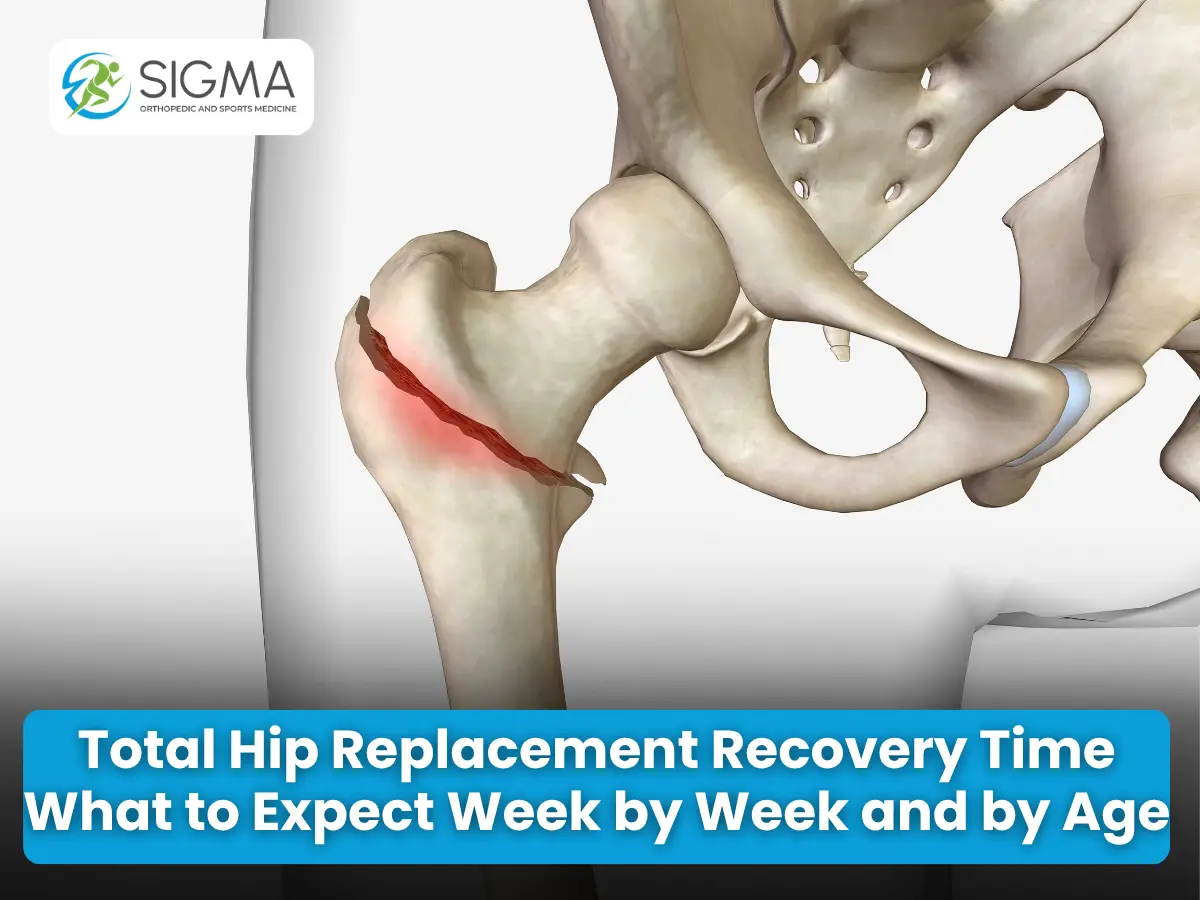
Cobalt poisoning occurs when excessive amounts of cobalt enter the body and begin affecting tissues and organs. In hip replacement patients, this typically results from wear, friction, corrosion, or mechanical failure involving components made from cobalt chromium alloy.
As implant surfaces move against one another, microscopic metal particles may be released. Over time, these particles can accumulate around the joint and, in some cases, enter the bloodstream. This process may trigger both local tissue damage and systemic health effects.
While modern hip replacement designs have significantly improved safety, certain metal-on-metal hip replacement complications have raised concerns because of their potential to generate metal debris. Not every patient with a metal-containing implant develops toxicity, but understanding the risks remains important.
Why Do Symptoms Sometimes Appear Years Later?
One of the most confusing aspects of implant-related cobalt toxicity is timing. Many patients feel well for years before symptoms begin to emerge.
This delay often occurs because metal particles accumulate slowly. Initially, the body may tolerate small amounts without noticeable problems. As exposure continues, however, inflammation, tissue damage, and metal ion accumulation can gradually affect different systems.
In some cases, symptoms develop within months. In others, they may not appear until five, ten, or even more years after surgery. The progression depends on several factors, including implant design, positioning, wear patterns, activity levels, and individual biological responses.
Because symptoms can emerge long after recovery is complete, patients and healthcare providers do not always immediately connect new health concerns to a previous hip replacement.
The Difference Between Local and Systemic Symptoms
One reason cobalt toxicity can be difficult to diagnose is that symptoms often fall into two categories.
Local symptoms occur near the hip itself. These problems are usually related to tissue irritation, inflammation, and implant wear.
Systemic symptoms affect other parts of the body after cobalt enters circulation. These issues may involve the nervous system, cardiovascular system, vision, hearing, and overall health.
Understanding this distinction helps explain why a patient experiencing hearing changes or unusual fatigue may not immediately suspect their hip replacement as a possible contributor.
Early Local Symptoms Around the Hip Joint
The earliest warning signs often appear near the replaced joint. These symptoms may resemble other orthopedic conditions, making careful evaluation essential.
Persistent pain around the hip is one of the most common complaints. Unlike normal postoperative discomfort, this pain may develop long after recovery and gradually worsen over time.
Some patients notice swelling around the joint. Others experience stiffness, reduced mobility, or discomfort when walking, climbing stairs, or standing for extended periods.
Clicking sensations, instability, or unusual noises coming from the joint may also occur. While these symptoms do not automatically indicate metal toxicity, they may signal implant wear that warrants further investigation.
Inflammation caused by metal debris can sometimes lead to soft tissue damage around the implant. In advanced cases, surrounding muscles and tendons may become affected, contributing to weakness and reduced function.
Signs of Metallosis Patients Should Not Ignore
Metallosis is a condition caused by the accumulation of metal particles in tissues surrounding a joint replacement. It represents one of the most significant complications associated with excessive implant wear.
Many metallosis symptoms overlap with other orthopedic issues, but several warning signs deserve prompt attention.
Patients frequently report worsening hip pain despite an initially successful surgery. Swelling, fluid buildup, and decreased range of motion may also occur.
As tissue irritation progresses, inflammation can damage nearby structures. Some individuals develop weakness in the affected leg, difficulty bearing weight, or persistent discomfort that interferes with daily activities.
In more severe situations, tissue destruction may compromise the stability of the implant itself. This can create additional mechanical problems that further increase metal particle release.
Because metallosis may progress silently before causing obvious symptoms, ongoing monitoring remains important for individuals with higher-risk implant designs.
How Cobalt Toxicity Affects the Entire Body
When cobalt enters the bloodstream in sufficient quantities, health effects can extend far beyond the hip joint.
Systemic cobalt toxicity may affect multiple organs and body systems simultaneously. This broader impact often explains why diagnosis can be challenging.
Rather than experiencing a single dramatic symptom, patients may notice several seemingly unrelated problems developing over time. Fatigue, neurological changes, hearing difficulties, and cardiovascular symptoms may appear gradually and worsen progressively.
The widespread nature of these symptoms highlights why a comprehensive medical evaluation is often necessary when cobalt exposure is suspected.
Neurological Symptoms and Nerve-Related Changes
The nervous system appears particularly vulnerable to elevated cobalt exposure.
Many patients report persistent fatigue that does not improve with rest. Others experience concentration difficulties, memory problems, or a general feeling of mental fogginess.
Neuropathy can also develop. This condition involves nerve dysfunction that may cause numbness, tingling, burning sensations, or weakness in the hands and feet.
Balance problems sometimes emerge as neurological symptoms progress. Individuals may feel unsteady while walking or notice increased difficulty coordinating movements.
Because these symptoms overlap with many other medical conditions, healthcare providers often need to rule out alternative causes before determining whether implant-related metal exposure may be contributing to the problem.
Hearing and Vision Changes Linked to Metal Exposure
Changes involving hearing and vision are among the most concerning signs associated with systemic cobalt toxicity.
Some patients develop tinnitus, which is often described as ringing, buzzing, or humming sounds in the ears. Hearing loss may occur gradually, making it difficult to recognize during the early stages.
Vision changes may include blurred vision, decreased visual clarity, or difficulty focusing. In rare cases, more significant visual disturbances have been reported.
These symptoms can substantially affect quality of life and should never be ignored, particularly when they occur alongside hip pain or other signs of implant-related complications.
Because hearing and vision problems may have numerous potential causes, specialized evaluation by appropriate healthcare professionals is often recommended.
Can Cobalt Toxicity Affect the Heart?
Although many patients focus on joint-related symptoms, cobalt exposure can sometimes affect the cardiovascular system as well.
One of the more serious potential complications is cardiomyopathy, a condition that weakens the heart muscle and reduces its ability to pump blood efficiently. While this complication is uncommon, medical literature has documented cases where elevated cobalt exposure contributed to heart dysfunction.
Patients experiencing cardiovascular involvement may notice shortness of breath, reduced exercise tolerance, unusual fatigue, swelling in the legs, or heart palpitations. Because these symptoms are common in many heart conditions, it is important not to assume cobalt exposure is the cause without a thorough medical evaluation.
When heart symptoms develop alongside unexplained neurological changes, hearing issues, vision disturbances, and hip pain, healthcare providers may consider whether implant-related metal exposure warrants investigation.
Who Is Most at Risk?
Not every hip replacement patient faces the same level of risk.
Historically, some metal-on-metal hip replacement systems generated greater concern because both components contained metal surfaces that could produce wear particles during movement. Certain implant designs were associated with higher rates of adverse reactions to metal debris and increased monitoring recommendations.
However, risk is influenced by more than implant type alone. Factors that may contribute include implant positioning, mechanical wear, activity levels, implant age, and individual biological responses.
Some patients with significant implant wear may experience relatively mild symptoms, while others develop noticeable health issues despite lower levels of metal exposure. This variability is one reason why symptom awareness remains important.
When Should Patients Seek Medical Evaluation?
Many symptoms associated with cobalt toxicity overlap with common medical conditions, making self-diagnosis difficult.
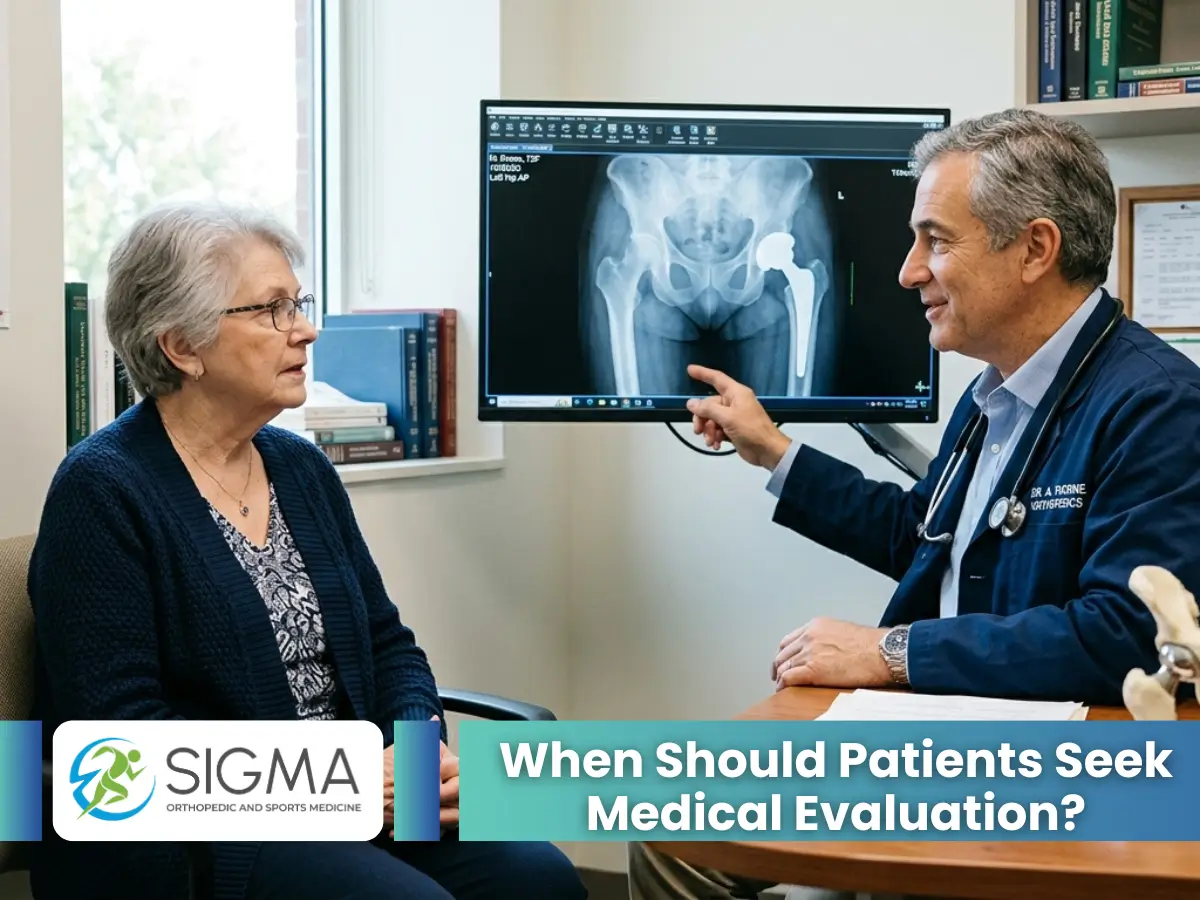
Patients should consider seeking evaluation if they experience new or worsening hip pain years after surgery, particularly when symptoms continue to progress rather than improve.
Medical attention is also appropriate when symptoms such as hearing loss, tinnitus, unexplained fatigue, numbness, tingling, vision changes, balance problems, or weakness occur without a clear explanation.
The combination of local hip symptoms and whole-body symptoms deserves particular attention. While these symptoms do not automatically indicate implant-related complications, they warrant professional assessment to determine the underlying cause.
Early evaluation can help identify potential issues before significant tissue damage or systemic complications develop.
How Doctors Diagnose Implant-Related Cobalt Toxicity
Diagnosing cobalt toxicity requires a comprehensive approach rather than relying on a single test.
The process usually begins with a detailed medical history and physical examination. Healthcare providers often ask about symptom timing, implant history, activity limitations, and changes in overall health.
Imaging studies may help evaluate the condition of the implant and surrounding tissues. Advanced imaging can sometimes identify inflammation, fluid collections, or soft tissue damage associated with implant wear.
Blood cobalt testing may also be considered when clinical concerns exist. These tests help determine whether metal ions are present at elevated levels and can provide useful information when interpreted alongside symptoms and imaging findings.
The U.S. Food and Drug Administration provides information regarding concerns related to metal-on-metal hip implants and monitoring considerations for affected patients. Patients seeking reliable information can review guidance from the FDA’s metal-on-metal hip implant resources.
Because multiple conditions can mimic cobalt toxicity, diagnosis often involves ruling out alternative explanations before reaching a conclusion.
Understanding Adverse Reactions to Metal Debris
Not all complications arise directly from cobalt entering the bloodstream.
In some patients, microscopic particles generated through implant wear trigger local inflammatory reactions around the joint. This process is commonly referred to as an adverse reaction to metal debris.
These reactions may damage muscles, tendons, ligaments, and surrounding soft tissues. Over time, tissue destruction can affect joint function and contribute to pain, weakness, and mobility limitations.
The severity of these reactions varies significantly. Some individuals experience relatively mild symptoms, while others develop extensive tissue damage requiring more aggressive intervention.
This local response helps explain why some patients experience significant hip-related symptoms even when systemic symptoms remain limited.
Why Early Recognition Matters
One of the biggest challenges associated with implant-related metal exposure is that symptoms often develop gradually.
Patients may dismiss mild hearing changes, occasional fatigue, or intermittent discomfort because each symptom seems unrelated. Over time, however, these issues may become more noticeable and begin affecting daily life.
Recognizing patterns can be valuable. When multiple symptoms emerge alongside a history of hip replacement surgery, discussing concerns with a qualified orthopedic specialist becomes increasingly important.
Early recognition may help preserve joint function, reduce complications, and improve long-term outcomes.
Monitoring Long-Term Health After Hip Replacement
Most hip replacement patients never experience cobalt toxicity or metallosis. In fact, modern joint replacement surgery remains one of the most successful orthopedic procedures available.
Nevertheless, ongoing awareness is important for individuals with implants that contain metal components.
Routine follow-up appointments provide opportunities to discuss new symptoms, evaluate implant performance, and address concerns before they become more serious.
Patients should maintain open communication with their healthcare team and report any unusual changes involving mobility, hearing, vision, nerve function, energy levels, or cardiovascular health.
Final Thoughts
Cobalt poisoning after hip replacement surgery is uncommon, but it can have serious consequences when symptoms go unrecognized. Understanding the difference between local joint symptoms and systemic health effects helps patients identify potential warning signs earlier and seek appropriate medical evaluation.
Symptoms may include persistent hip pain, metallosis-related tissue reactions, fatigue, tinnitus, hearing loss, vision changes, neuropathy, balance difficulties, and, in rare cases, cardiovascular complications. Because these symptoms often develop gradually, they are sometimes overlooked until they begin affecting daily life.
If you have concerns about changes occurring after a hip replacement, consultation with an experienced orthopedic specialist is important. At Sigma Orthopedics & Sports Medicine, patient education and thorough evaluation play an important role in helping individuals understand potential complications and make informed decisions about their joint health. Whether symptoms are related to implant wear, cobalt toxicity, or another underlying condition, early assessment can provide valuable answers and peace of mind.
Healthcare providers at Sigma Orthopedics & Sports Medicine understand that every patient’s situation is unique. Prompt attention to concerning symptoms can help ensure the best possible outcomes and support long-term mobility and quality of life.
Frequently Asked Questions
What are the first symptoms of cobalt poisoning after a hip replacement?
Early symptoms may include persistent hip pain, swelling, stiffness, fatigue, tinnitus, numbness, tingling sensations, or unexplained changes in hearing and vision. Symptoms often develop gradually and may appear years after surgery.
Can cobalt poisoning occur years after hip replacement surgery?
Symptoms can emerge months or even years after surgery because metal particles may accumulate slowly over time. Some patients do not experience noticeable problems until long after their initial recovery is complete.
Can cobalt toxicity affect the nervous system?
Neurological symptoms may include neuropathy, numbness, tingling, weakness, balance problems, memory difficulties, and mental fog. The severity varies from patient to patient.
Can cobalt poisoning affect hearing and vision?
In some cases, yes. Patients have reported tinnitus, hearing loss, blurred vision, and other sensory changes associated with systemic cobalt toxicity.
Are all hip replacements at risk for cobalt poisoning?
No. Most hip replacement patients never develop cobalt toxicity. Risk varies based on implant design, wear patterns, implant age, and individual patient factors.
Disclaimer: This content is for informational purposes only and does not constitute medical advice. Always seek the advice of a qualified healthcare provider with any questions you may have regarding a medical condition or before starting any new medication. Never disregard professional medical advice or delay in seeking it because of something you have read in this blog.