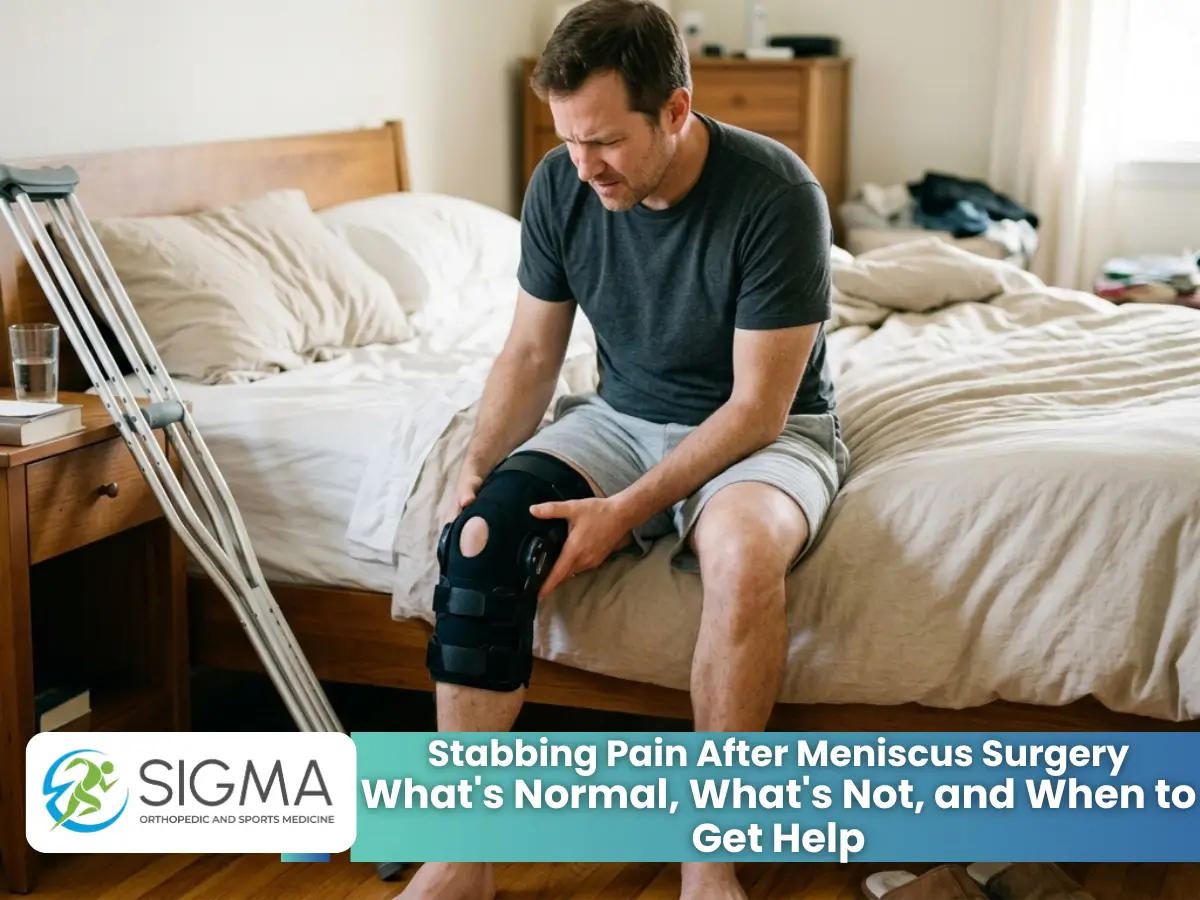
Recovering from meniscus surgery is rarely a perfectly smooth process. While mild soreness and stiffness are expected, a sudden stabbing pain after meniscus surgery can leave many patients wondering whether something is wrong. In many cases, this type of pain is related to normal healing, scar tissue formation, inflammation, or temporary irritation of surrounding structures. However, severe, persistent, or worsening pain should never be ignored, especially if it is accompanied by swelling, fever, instability, or difficulty bearing weight.
Understanding why this pain occurs and knowing the difference between expected recovery symptoms and signs of a possible complication can help you recover more confidently while recognizing when medical attention is necessary. Every knee heals at its own pace, depending on the type of procedure performed, the size and location of the tear, your overall health, and how closely postoperative instructions are followed.
Whether you underwent a meniscus repair or a partial meniscectomy, learning what to expect during recovery can help reduce unnecessary worry while ensuring that genuine concerns receive prompt evaluation.
Why Can Sharp Pain Happen During Meniscus Surgery Recovery?
Experiencing occasional sharp discomfort during recovery does not automatically mean the surgery has failed. The knee is a complex joint containing cartilage, ligaments, tendons, muscles, nerves, and supporting tissues that all respond differently as healing progresses.
Following surgery, your body enters several healing phases. Initially, inflammation helps protect the surgical site. This is followed by tissue repair, collagen remodeling, and gradual strengthening. During these stages, certain movements may temporarily stress healing tissues, producing sudden but brief pain.
For many patients, sharp pain after meniscus surgery occurs when:
- Healing tissue is stretched unexpectedly.
- Scar tissue temporarily limits joint movement.
- Inflamed tissues become irritated during activity.
- Swelling places pressure on nearby nerves.
- Muscles around the knee remain weak or tight.
Pain patterns often improve gradually as strength, flexibility, and normal joint mechanics return.
According to the American Academy of Orthopaedic Surgeons (AAOS), recovery timelines vary significantly depending on the surgical procedure and individual patient factors.
Understanding the Different Types of Meniscus Procedures
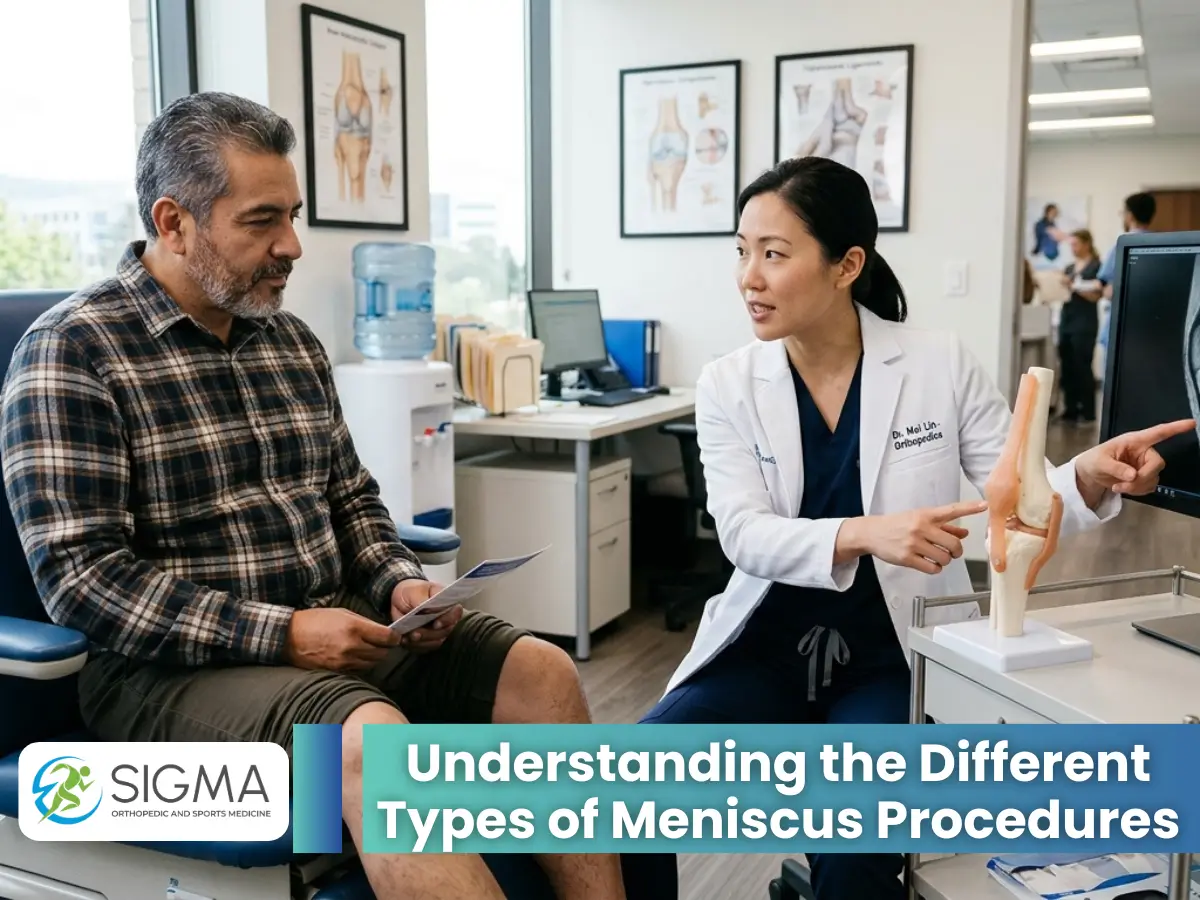
The type of surgery you had greatly influences both your recovery timeline and the symptoms you may experience.
Meniscus Repair
A repair involves stitching the torn cartilage together so it can heal naturally. Because the tissue must biologically heal, recovery is generally longer and activity restrictions are stricter.
Patients often experience intermittent discomfort as repaired tissue gradually regains strength. Temporary pain during rehabilitation exercises is relatively common if movements challenge healing tissue without causing damage.
Partial Meniscectomy
In a partial meniscectomy, the damaged portion of the meniscus is removed while healthy cartilage is preserved.
Since there is less tissue healing involved, meniscus trimming surgery recovery time is usually shorter. Many patients return to normal daily activities within several weeks, although complete recovery still depends on muscle strength, swelling reduction, and restoration of normal movement patterns.
Even after a meniscectomy, temporary discomfort may occur as the knee adapts to changes in joint mechanics.
Common Causes of Stabbing Knee Pain During Recovery
Several conditions can contribute to sudden pain after surgery. Some are expected parts of healing, while others deserve closer evaluation.
Normal Surgical Healing
Healing tissue is not yet as strong or flexible as healthy tissue. Simple actions like bending, standing from a chair, climbing stairs, or twisting can briefly stress healing structures.
This discomfort often becomes less frequent over time rather than progressively worse.
Residual Inflammation
Inflammation plays an essential role in tissue repair, but excessive inflammation can increase sensitivity around the knee.
Fluid accumulation inside the joint may create pressure that produces intermittent sharp sensations during movement.
Managing inflammation through appropriate rest, elevation, compression, and physician-approved exercises often helps improve symptoms.
Scar Tissue Formation
Scar tissue develops naturally after surgery. While it supports healing, excessive scar tissue can restrict movement and occasionally produce painful catching or pulling sensations.
Physical therapy helps encourage healthy scar tissue remodeling while restoring flexibility and range of motion.
Muscle Weakness
The quadriceps begin losing strength surprisingly quickly after knee surgery.
Weak muscles may place additional stress on healing tissues, altering normal walking patterns and increasing pressure within the joint.
Gradual strengthening exercises prescribed by your rehabilitation team play a major role in reducing discomfort over time.
Temporary Joint Irritation
As patients become more active, healing cartilage and surrounding tissues may temporarily become irritated.
For example, walking farther than recommended, returning to sports too early, or performing deep squats prematurely can increase pain without necessarily indicating permanent damage.
Learning to progress in an activity gradually is one of the most important aspects of successful rehabilitation.
Could Nerve Irritation Be Responsible?
Some patients experience sensations that feel very different from ordinary surgical soreness. Instead of aching, they describe burning, electric, tingling, or shooting discomfort.
This type of nerve pain after meniscus surgery often develops because small sensory nerves near the surgical incisions become irritated during healing. Swelling can also temporarily compress nearby nerves.
Fortunately, minor nerve irritation frequently improves over several weeks or months as inflammation resolves.
However, persistent numbness, worsening burning pain, or significant weakness should be evaluated to rule out less common nerve-related complications.
The MedlinePlus medical library provides additional patient-friendly information about nerve pain and postoperative recovery.
When Is Pain Considered Normal?
Many patients worry that any pain means something has gone wrong. In reality, discomfort often fluctuates throughout recovery.
Pain is generally considered part of normal healing when it:
- Gradually improves over time.
- Occurs mainly after increased activity.
- Responds to rest and ice.
- Does not significantly limit daily function.
- It is not associated with fever, drainage, or severe swelling.
You may even notice occasional “good days” followed by “bad days.” This pattern is common as healing tissues are challenged during rehabilitation.
Rather than focusing on individual painful episodes, pay attention to your overall recovery trend over several weeks.
Warning Signs That Should Never Be Ignored
Although most postoperative discomfort is expected, certain symptoms deserve prompt medical evaluation.
One concerning sign is severe pain after meniscus surgery that continues worsening instead of gradually improving. Pain that becomes significantly more intense several weeks after surgery may indicate a complication rather than routine healing.
Other warning signs include rapidly increasing swelling, redness spreading around the knee, fever, chills, drainage from the incision, inability to bear weight, or the sensation that the knee repeatedly gives way.
Patients should also seek medical attention if they hear a new popping sensation followed by immediate pain and swelling during rehabilitation.
These symptoms do not automatically mean the repair has failed, but they should always be assessed by an orthopedic specialist to determine the underlying cause.
Recovery Milestones: What Most Patients Can Expect
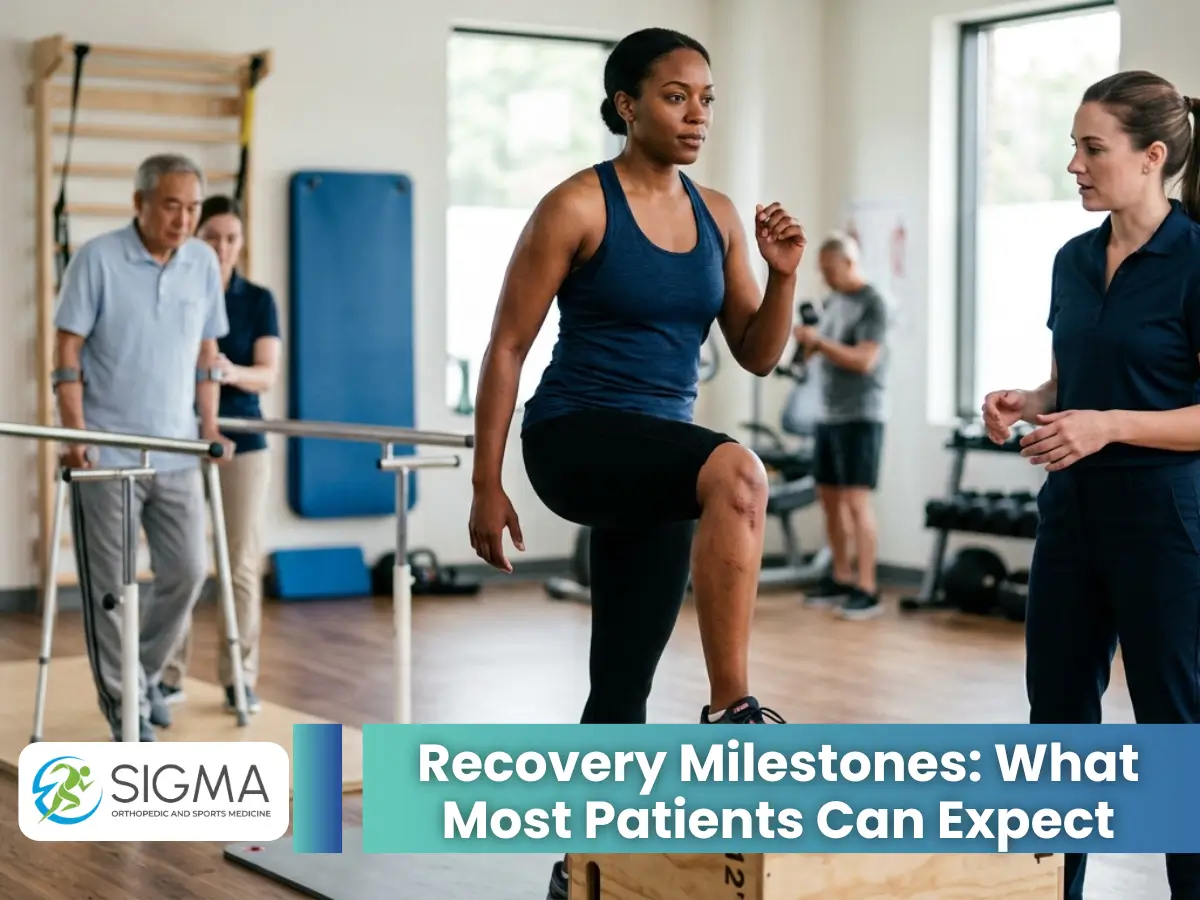
Recovery varies depending on age, activity level, surgical technique, and whether the meniscus was repaired or partially removed.
During the first two weeks, swelling, stiffness, and soreness are usually most noticeable. Walking often improves gradually with the assistance of crutches if recommended.
Between weeks three and six, many patients begin regaining range of motion while strengthening exercises become progressively more challenging. Some discomfort during therapy remains normal as long as symptoms settle afterward.
Beyond six weeks, activity often increases significantly, although patients who underwent meniscus repair may still have restrictions designed to protect healing cartilage.
By several months, many individuals return to recreational activities under the guidance of their orthopedic surgeon and physical therapist. However, recovery should always follow individual medical advice rather than a fixed timeline.
At SIGMA Orthopedics and Sports Medicine, patient education is considered an important part of recovery because understanding expected healing often reduces unnecessary anxiety while helping patients recognize genuine warning signs early.
How to Support a Smooth Recovery
Recovering well after meniscus surgery requires a balance of rest and gradual movement. Following your surgeon’s instructions and physical therapy plan is one of the best ways to reduce discomfort and restore knee function safely.
An important part of care after meniscus surgery is managing swelling. Elevating your leg, applying ice for short periods, and using compression when recommended can help reduce inflammation and improve comfort. Gentle movement is also important because prolonged inactivity may increase stiffness and slow recovery.
Good nutrition, hydration, and getting enough sleep support tissue healing. According to the National Institute of Arthritis and Musculoskeletal and Skin Diseases (NIAMS), rehabilitation and gradual return to activity are essential for successful recovery after knee surgery.
When Should You Contact Your Orthopedic Surgeon?
Although discomfort is expected, some symptoms require prompt medical attention. Contact your orthopedic surgeon if your pain becomes progressively worse instead of improving, especially if it is accompanied by significant swelling, redness, fever, drainage, or difficulty bearing weight.
You should also seek evaluation if your knee suddenly locks, repeatedly gives way, or develops new numbness or weakness. Early assessment helps identify complications before they become more serious.
Final Thoughts
Recovery after meniscus surgery is different for everyone. Occasional discomfort is often part of the healing process, but the overall trend should be gradual improvement. Understanding the difference between normal healing and warning signs allows you to recover with greater confidence.
While pain after meniscus surgery can be expected, persistent or worsening symptoms should never be ignored. If you have concerns about your recovery, an orthopedic specialist can determine whether your symptoms are part of normal healing or require additional treatment.
At SIGMA Orthopedics and Sports Medicine, patients receive personalized care, evidence-based treatment, and rehabilitation guidance to help them return to everyday activities safely.
Frequently Asked Questions
Is stabbing pain after meniscus surgery normal?
Yes. Brief episodes of sharp pain can occur as tissues heal. However, pain that becomes progressively worse or is accompanied by swelling, fever, or instability should be evaluated.
How long does recovery take after meniscus surgery?
Recovery depends on the procedure. A partial meniscectomy often allows faster recovery than a meniscus repair, but complete healing may still take several months.
What causes nerve pain after meniscus surgery?
Swelling or irritation of small nerves around the surgical site can cause burning, tingling, or shooting pain. Most cases improve with healing, but persistent symptoms should be assessed.
What activities should I avoid during recovery?
Avoid running, jumping, twisting, deep squatting, and other high-impact activities until your orthopedic surgeon or physical therapist clears you to resume them.
When should I worry about knee pain after surgery?
Seek medical care if pain continues to worsen, your knee becomes increasingly swollen or red, you develop a fever, or you cannot bear weight on the affected leg.
Disclaimer: This content is for informational purposes only and does not constitute medical advice. Always seek the advice of a qualified healthcare provider with any questions you may have regarding a medical condition or before starting any new medication. Never disregard professional medical advice or delay in seeking it because of something you have read in this blog.