Orthopedic surgery recovery varies widely depending on the procedure, the body part involved, and the patient’s overall health. While some people regain normal function within a few weeks, others may need several months of rehabilitation before returning to their usual activities. In general, bone healing often takes six to twelve weeks, but complete recovery can extend beyond that as muscles, tendons, ligaments, and joints continue to strengthen.
Understanding what happens during recovery can help set realistic expectations and reduce frustration during the healing process. Whether you’re preparing for surgery or currently recovering, knowing the typical timeline and factors that influence healing can help you make informed decisions and support a smoother recovery.
What Determines Recovery After Orthopedic Surgery?
No two recoveries are exactly alike. Even patients undergoing the same procedure can experience different healing timelines.
Several factors influence how quickly the body recovers after surgery. Age plays a significant role because younger individuals generally heal faster than older adults. Overall health also matters. Conditions such as diabetes, osteoporosis, obesity, and smoking can slow the body’s ability to repair tissues and regenerate bone.
The type of surgery performed is equally important. A minimally invasive arthroscopic procedure typically requires less healing time than a complex reconstruction involving bones, ligaments, or multiple joints. Following postoperative instructions, attending physical therapy, maintaining good nutrition, and staying active within recommended limits can also accelerate progress.
When patients ask about orthopedic surgery recovery time, the most accurate answer is that recovery depends on both the procedure and the individual patient.
Understanding the Stages of Healing
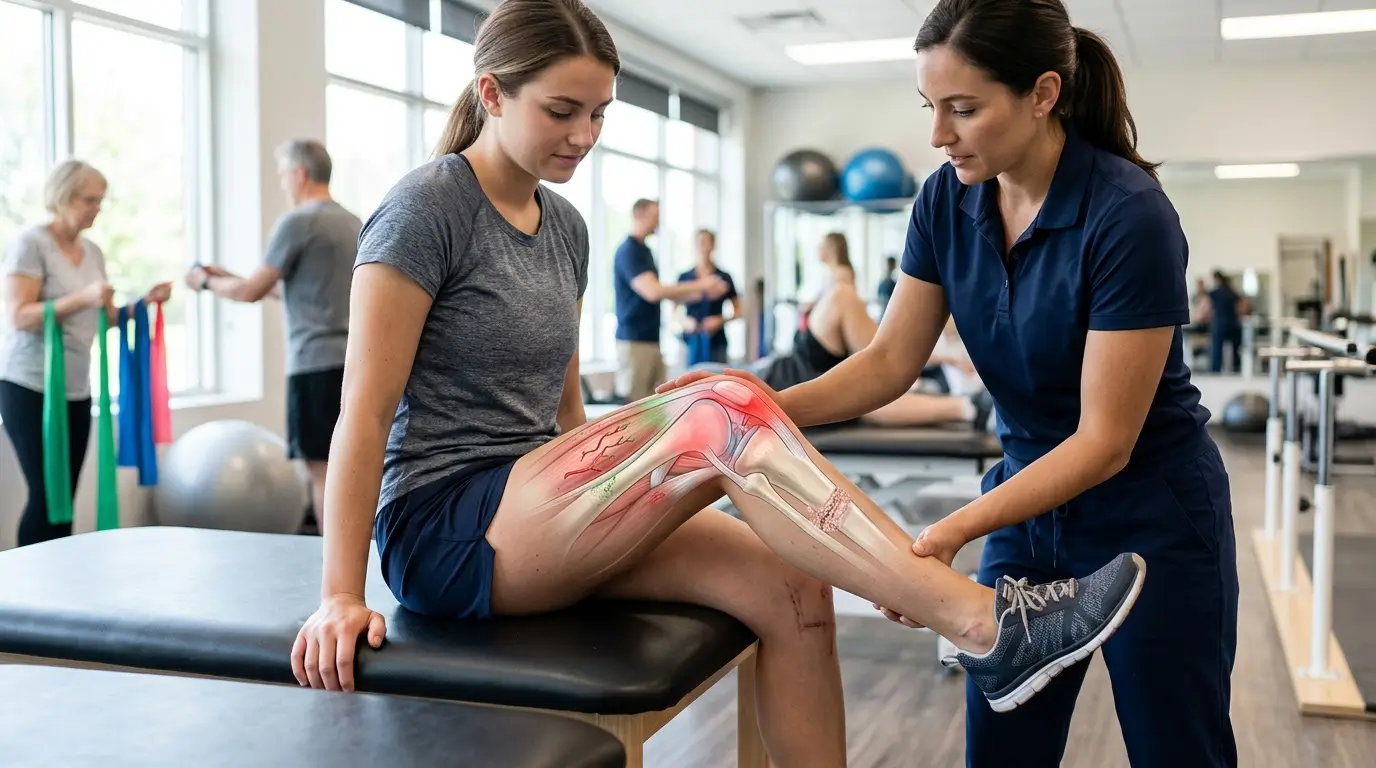
Recovery is not a single event. It occurs in phases, each with specific biological processes that help restore strength and function.
The Initial Recovery Phase
The first few days after surgery focus on controlling pain, swelling, and inflammation. During this period, the body begins repairing damaged tissues while protecting the surgical site.
Patients are often encouraged to begin gentle movement early, depending on the procedure. This helps improve circulation, reduce stiffness, and lower the risk of complications.
The Bone and Tissue Repair Phase
During the following weeks, new tissue forms around the surgical area. Bone cells begin rebuilding fractured or repaired structures, while muscles and connective tissues gradually regain strength.
Many patients wonder how long for bone to heal after surgery. In most cases, bone healing begins immediately but requires approximately six to twelve weeks to achieve substantial strength. Larger fractures, complex repairs, or underlying health conditions may extend this timeline.
Functional Recovery Phase
Once tissues have sufficiently healed, rehabilitation becomes the primary focus. Strength, flexibility, balance, and coordination are gradually restored.
This stage often determines when patients can safely return to work, sports, or physically demanding activities.
Typical Recovery Timelines for Common Orthopedic Procedures
While every case is unique, understanding average recovery timelines can provide a helpful reference.
Fracture Repair Surgery
Fracture repair is among the most common orthopedic procedures. Surgeons may use plates, screws, rods, or external fixation devices to stabilize broken bones.
Patients frequently ask how long it takes for a leg to heal after a fracture repair procedure. Most bones show meaningful healing within six to twelve weeks, although complete remodeling may continue for several months.
Weight-bearing restrictions vary depending on the fracture location and severity. Some patients can walk with assistance within days, while others must avoid weight-bearing for several weeks.
Joint Replacement Surgery
Hip and knee replacements often produce dramatic improvements in pain and mobility, but recovery requires patience.
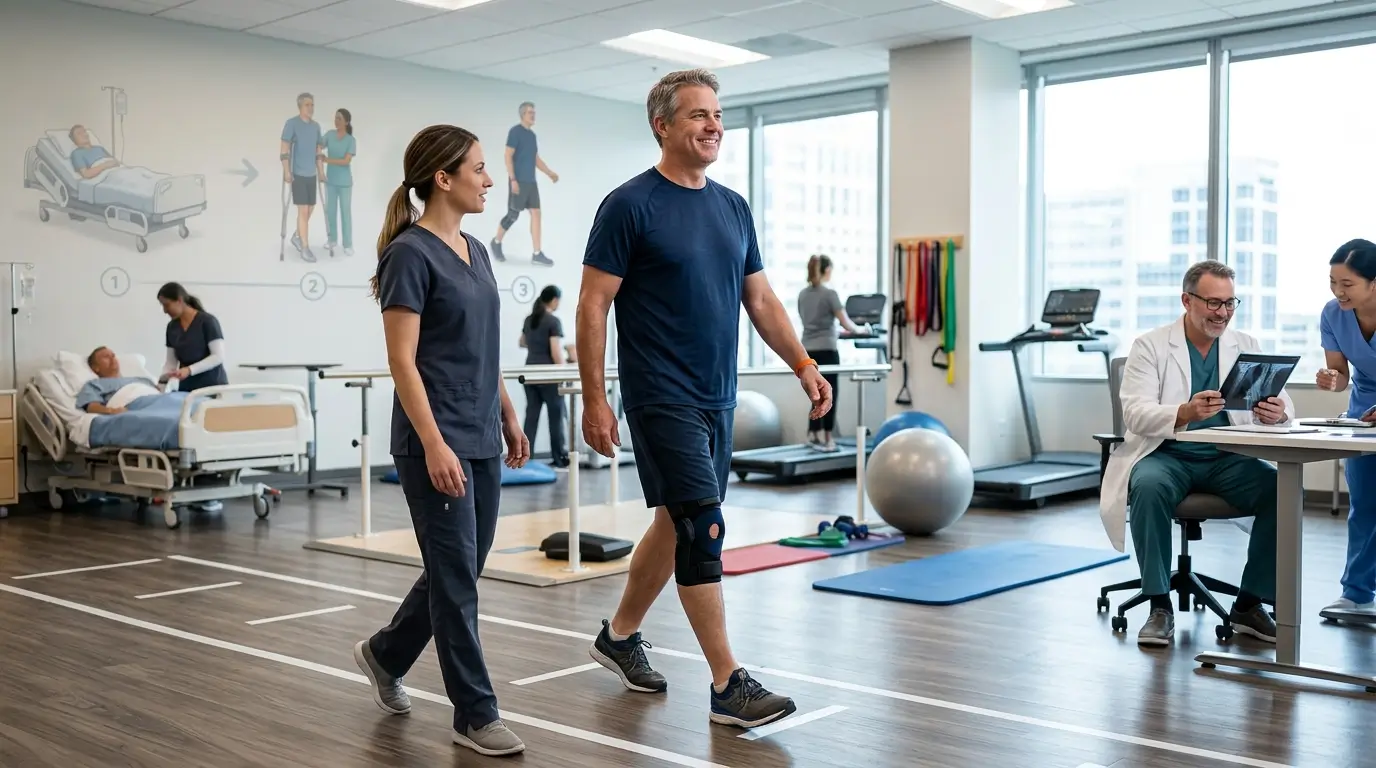
Most patients begin walking shortly after surgery with the help of physical therapists. Daily activities may become easier within four to six weeks, while full recovery can take several months.
Strength gains continue long after the initial healing period, making ongoing rehabilitation an essential part of success.
Ligament Reconstruction
Ligament reconstruction Procedures such as ACL reconstruction require extensive rehabilitation because healing involves both biological tissue repair and neuromuscular retraining.
Patients often resume normal daily activities within a few months, but returning to sports may take six to twelve months depending on progress and physician recommendations.
Tendon and Muscle Repair Procedures
Muscle reattachment surgery and tendon repairs often require careful protection during the early stages of healing. Unlike bone, soft tissues need time to form strong attachments before significant loading is introduced.
Recovery usually involves a period of immobilization followed by progressively increasing movement and strengthening exercises. Depending on the location and severity of the injury, full recovery may take several months.
Recovery After Leg Surgery: What Patients Should Expect
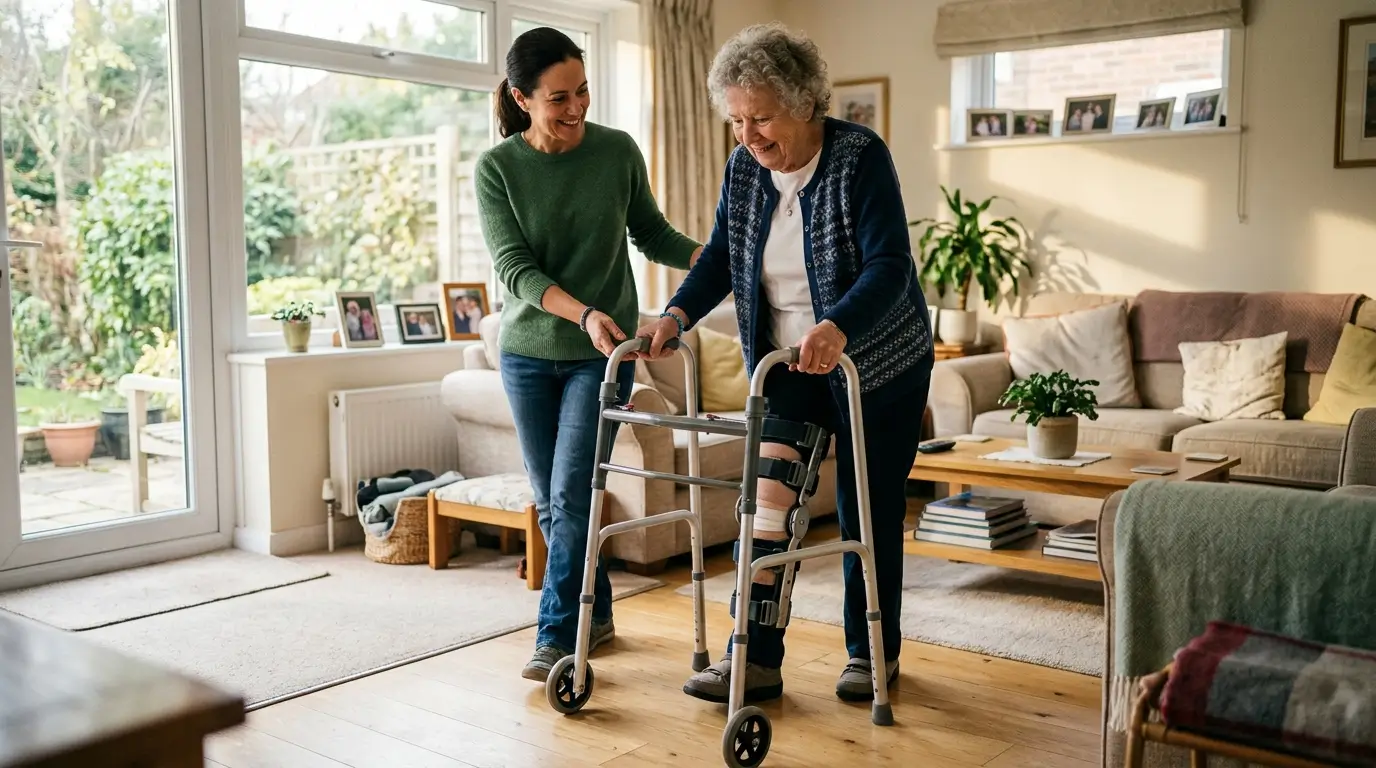
The recovery process following leg procedures can be especially challenging because the lower extremities are responsible for weight-bearing and mobility.
Leg surgery recovery often involves temporary limitations on walking, climbing stairs, driving, and exercise. Patients may need crutches, walkers, braces, or other assistive devices during the initial stages.
Swelling is common and may persist for several weeks or even months. Elevation, compression, and regular movement can help manage symptoms.
For patients concerned about leg surgery recovery time, the timeline largely depends on whether the surgery involves bones, joints, muscles, tendons, or multiple structures. Minor procedures may allow a return to normal activities within a few weeks, while major reconstructive surgeries can require six months or longer.
How Long Does Surgery Last?
Many patients preparing for an orthopedic procedure want to know how long the surgery lasts.
The answer depends on the complexity of the operation. Simple arthroscopic procedures may take less than an hour, while major reconstructions or joint replacements can last several hours.
It’s important to remember that surgery duration does not directly determine recovery length. A relatively short procedure may still require extensive rehabilitation, while a longer operation may lead to a predictable and straightforward recovery process.
Patients should focus more on the anticipated recovery plan than the exact length of time spent in the operating room.
Why Physical Therapy Plays Such a Critical Role
One of the biggest differences between successful and delayed recoveries is participation in rehabilitation.
After surgery, muscles often weaken due to pain, inactivity, and temporary movement restrictions. Joints can become stiff, and balance may be affected.
Physical therapy helps restore normal movement patterns while reducing the risk of reinjury. Therapists guide patients through exercises that improve flexibility, strength, endurance, and coordination.
Research supported by the National Institute of Arthritis and Musculoskeletal and Skin Diseases emphasizes the importance of structured rehabilitation in restoring musculoskeletal function after injury and surgery.
Patients who consistently follow their therapy programs often experience faster functional improvements and better long-term outcomes.
Nutrition and Lifestyle Factors That Influence Healing

The body’s ability to recover depends heavily on the resources available for tissue repair.
Protein is essential for rebuilding muscles and connective tissues. Vitamins C and D, calcium, zinc, and other nutrients support bone health and healing processes.
The MedlinePlus medical library notes that proper nutrition is a key component of postoperative recovery and tissue repair.
Smoking significantly impairs circulation and oxygen delivery, which can delay healing and increase complication risks. Patients who stop smoking before surgery often experience improved outcomes.
Adequate sleep is another often-overlooked factor. During sleep, the body releases hormones that promote tissue repair and recovery.
Warning Signs That Recovery May Not Be Progressing Normally
While some discomfort is expected after surgery, certain symptoms may indicate a problem.
Persistent or worsening pain, excessive swelling, redness, drainage from the incision, fever, or sudden loss of function should be evaluated promptly by a healthcare professional.
Recovery timelines are not always perfectly linear. Some days feel better than others. However, gradual overall improvement should be occurring as healing progresses.
Regular follow-up appointments allow surgeons to monitor healing and address concerns before they become more serious complications.
Setting Realistic Expectations for Recovery
One of the most common sources of frustration after orthopedic surgery is expecting progress to happen faster than biology allows.
The body heals according to its own timetable. While modern surgical techniques can repair damaged structures, tissues still require time to regenerate and strengthen.
Patients who understand this process tend to be more patient with setbacks and more committed to rehabilitation efforts.
Rather than focusing solely on the final outcome, it can be helpful to celebrate incremental milestones such as walking without assistance, regaining range of motion, or returning to favorite activities.
At Sigma Orthopedics & Sports Medicine, patient education is considered an important part of the recovery journey because informed patients are often better prepared to navigate the challenges of healing.
Final Thoughts
Recovery after orthopedic procedures depends on many factors, including the type of surgery, overall health, age, rehabilitation efforts, and adherence to postoperative instructions. Bone healing generally occurs within six to twelve weeks, but full recovery often extends beyond that as muscles and joints regain strength and function.
Whether recovering from fracture repair, joint replacement, tendon repair, or muscle reattachment surgery, patience and consistency are essential. Progress may feel slow at times, but each stage of healing contributes to long-term success.
If you’re preparing for surgery or currently recovering, maintaining close communication with your orthopedic team can help ensure the safest and most effective path forward. At Sigma Orthopedics & Sports Medicine, helping patients understand the recovery process is an important part of achieving successful outcomes and returning to the activities they enjoy most.
Frequently Asked Questions
How long does orthopedic surgery recovery usually take?
Most patients experience significant healing within six to twelve weeks, but complete recovery may take several months depending on the procedure and individual factors.
How long for bone to heal after surgery?
Bone healing generally takes six to twelve weeks. Complex fractures, smoking, diabetes, and other health conditions may extend this timeline.
What is the average broken leg surgery recovery time?
Recovery from a surgically repaired broken leg often takes three to six months, although severe injuries may require longer rehabilitation.
How long does it take for a leg to heal after surgery?
The timeline varies based on the procedure performed. Minor surgeries may heal within a few weeks, while major reconstructions can require several months.
Does physical therapy speed up recovery?
Physical therapy helps restore strength, flexibility, and function. Patients who actively participate in rehabilitation often achieve better outcomes and return to activities sooner.
Can I walk immediately after orthopedic surgery?
Some procedures allow walking within hours or days, while others require temporary restrictions. Your surgeon will provide guidance based on the specific operation.
How long does swelling last after surgery?
Swelling commonly persists for several weeks and may continue at lower levels for several months, especially after lower-extremity procedures.
What can slow down recovery after orthopedic surgery?
Smoking, poor nutrition, uncontrolled medical conditions, inactivity, inadequate rehabilitation, and failure to follow postoperative instructions can all delay healing.
Disclaimer: This content is for informational purposes only and does not constitute medical advice. Always seek the advice of a qualified healthcare provider with any questions you may have regarding a medical condition or before starting any new medication. Never disregard professional medical advice or delay in seeking it because of something you have read in this blog.