

Rotator cuff surgery can relieve the pain caused by a damaged tendon, but the shoulder usually does not feel normal immediately afterward. Soreness, stiffness, and discomfort can continue as the repaired tendon and surrounding tissues heal.
So, how long does pain last after rotator cuff surgery? For many patients, pain gradually improves over the first several weeks and continues to settle over the following months. Recovery varies based on the size of the tear, the repair performed, tissue quality, rehabilitation plan, and individual healing.
What Causes Pain After Rotator Cuff Surgery?

Pain after rotator cuff surgery does not automatically mean something has gone wrong.
The procedure itself causes temporary inflammation and irritation in the tissues around the shoulder. The repaired tendon also needs time to heal back to the bone. During this period, the shoulder may feel sore with movement or after rehabilitation exercises.
Stiffness is another common reason for discomfort. Because the shoulder is protected from certain movements after surgery, limited mobility can develop. Johns Hopkins identifies ongoing healing and postoperative stiffness among the common causes of pain after rotator cuff surgery.
If your original condition involved a significant rotator cuff tear, the shoulder may also need substantial time to regain comfortable movement and strength.
How Long Will I Have Pain After Rotator Cuff Surgery?
There is no single recovery schedule that applies to every patient.
The First Few Days
Pain is often most noticeable immediately after surgery. Swelling, soreness, and discomfort around the surgical area are common during this early stage.
Your surgeon may recommend prescribed or over-the-counter pain medication, ice, and a sling or immobilizer. Follow the medication and activity instructions provided by your surgical team rather than changing them independently.
The First Several Weeks
Pain should generally begin changing as the initial surgical irritation settles, although the shoulder can remain quite uncomfortable.
You may notice discomfort when sleeping, changing position, or beginning prescribed exercises. The shoulder may also feel stiff because movement is restricted while the repair is protected.
The amount of activity allowed during this stage depends on the repair and your surgeon’s rehabilitation protocol.
One to Three Months
Pain often becomes less intense during this period, but soreness does not necessarily disappear completely.
Rehabilitation may become more active as your surgeon allows additional movement. Some patients notice temporary soreness after exercises or increased activity.
The goal is not to force the shoulder through pain. Your physical therapy program should follow the restrictions and progression recommended for your particular repair.
The American Academy of Orthopaedic Surgeons notes that rehabilitation and mobilization after rotator cuff repair should take patient-specific factors into account, including the characteristics of the tear and repair.
Three to Six Months
Many patients continue to improve during this stage. However, occasional soreness, stiffness, weakness, or discomfort with demanding movements can still occur.
MedlinePlus reports that recovery commonly takes four to six months, although the exact timeframe varies.
Some repairs take longer, particularly when the original tear was large or the tendon and surrounding tissues required more extensive healing.
Is Deltoid Muscle Pain After Rotator Cuff Surgery Normal?
Some patients experience pain around the outer portion of the shoulder where the deltoid muscle is located.
This discomfort can be related to postoperative inflammation, altered shoulder mechanics, stiffness, or increased muscle use during rehabilitation. The location of pain alone cannot determine its cause.
If deltoid pain is becoming increasingly severe, does not improve, or is accompanied by significant weakness, swelling, fever, or other concerning symptoms, contact your surgeon for an assessment.
What About Biceps Pain After Rotator Cuff Surgery?
Biceps discomfort can also occur after shoulder surgery.
The biceps tendon is closely connected to shoulder function, and some rotator cuff conditions occur alongside biceps tendon problems. Changes in movement during recovery can also affect how the surrounding muscles and tendons feel.
Persistent or worsening biceps pain should be discussed with your orthopedic provider rather than assumed to be part of normal healing.
When Is Pain After Rotator Cuff Surgery Concerning?
Pain should be evaluated when it is severe, worsening rather than improving, or associated with other symptoms.
Contact your surgical team if you experience:
- Pain that is not controlled by the recommended medication
- Increasing swelling
- Redness, drainage, or bleeding around the incision
- Fever or chills
- New or worsening weakness
- Numbness or tingling in the arm, hand, or fingers
- A sudden change in shoulder function
MedlinePlus specifically advises contacting the surgical team for uncontrolled pain, swelling, changes in hand color or temperature, numbness or tingling, wound problems, or a fever of 101°F (38.3°C) or higher.
For additional information about postoperative neurological symptoms, see our guide to numbness or tingling.
Does Persistent Pain Mean the Rotator Cuff Repair Failed?
Not necessarily.
Persistent pain can have several explanations, including stiffness, incomplete recovery, inflammation, weakness, or problems unrelated to the repaired tendon.
Johns Hopkins notes that pain and weakness alone do not necessarily establish that a rotator cuff repair has failed. Tendon healing also continues for months after surgery.
If pain remains significant or begins worsening after an initial period of improvement, your surgeon may perform a physical examination and decide whether imaging or additional testing is appropriate.
How Can You Manage Pain During Recovery?
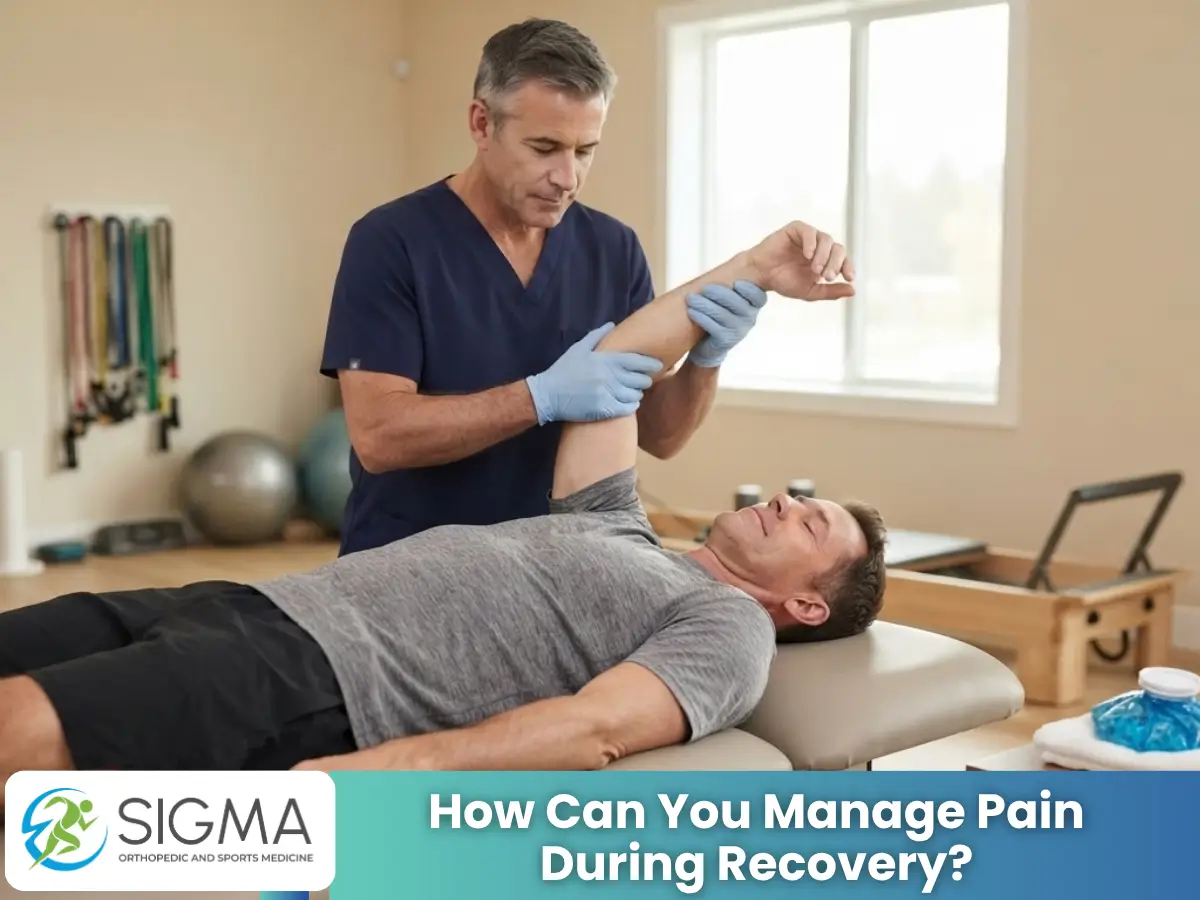
Follow the postoperative plan provided by your orthopedic surgeon. Avoid adding exercises or increasing activity simply because the shoulder feels better on a particular day.
Use medications only as directed. Ice may be recommended during the early recovery period to help with discomfort and swelling. Your surgeon may also adjust your rehabilitation plan as your shoulder heals.
Your rehabilitation program is important because restoring appropriate motion and strength takes time. The AAOS 2025 clinical practice guideline emphasizes individualized postoperative rehabilitation following rotator cuff repair.
For more guidance, see our resource on physical therapy.
When Should You Expect to Feel Normal Again?

There is no guaranteed date when the shoulder will suddenly feel completely normal.
A patient may experience substantial pain relief before full strength and mobility return. Others may continue to notice stiffness or occasional soreness well into the later stages of recovery.
Johns Hopkins notes that the repaired tendon initially heals to the bone over approximately six weeks, develops a stronger attachment over the following months, and may take six to nine months to fully heal.
That longer biological healing process helps explain why improvement can continue even after the most noticeable postoperative pain has subsided.
How SIGMA Orthopedics and Sports Medicine Approaches Recovery
At SIGMA Orthopedics and Sports Medicine, postoperative symptoms are considered in the context of the patient’s procedure, examination, healing stage, and rehabilitation progress.
If you want a broader explanation of rotator cuff surgery, you can review our rotator cuff surgery guide.
For patients interested in what comes after the procedure, our information on post-surgical recovery provides additional context.
Frequently Asked Questions
How long will I have pain after rotator cuff surgery?
Pain often improves progressively over the first several weeks, but some soreness and stiffness can remain for several months. Overall recovery commonly takes four to six months, with some patients requiring longer.
Is pain 3 months after rotator cuff surgery normal?
Some discomfort at three months can occur, particularly with stiffness or rehabilitation. However, worsening or unexplained pain should be discussed with your surgeon.
What are symptoms of failed shoulder surgery?
Persistent or increasing pain, weakness, or loss of function can warrant evaluation, but these symptoms do not automatically mean the repair has failed. A clinical assessment is needed to determine the cause.
When should I call my surgeon about postoperative pain?
Call your surgeon if pain is uncontrolled or worsening, or if you develop fever, increasing swelling, wound drainage, significant weakness, or new numbness or tingling.
Can physical therapy make my shoulder hurt more?
Temporary soreness can occur as activity progresses, but exercises should follow your prescribed rehabilitation plan. Tell your physical therapist or surgeon if pain is severe, persistent, or worsening.
SIGMA Orthopedics and Sports Medicine can evaluate persistent shoulder symptoms and help determine whether they are consistent with expected healing or require further assessment.
Disclaimer: This content is for informational purposes only and does not constitute medical advice. Always seek the advice of a qualified healthcare provider with any questions you may have regarding a medical condition or before starting any new medication. Never disregard professional medical advice or delay in seeking it because of something you have read in this blog.