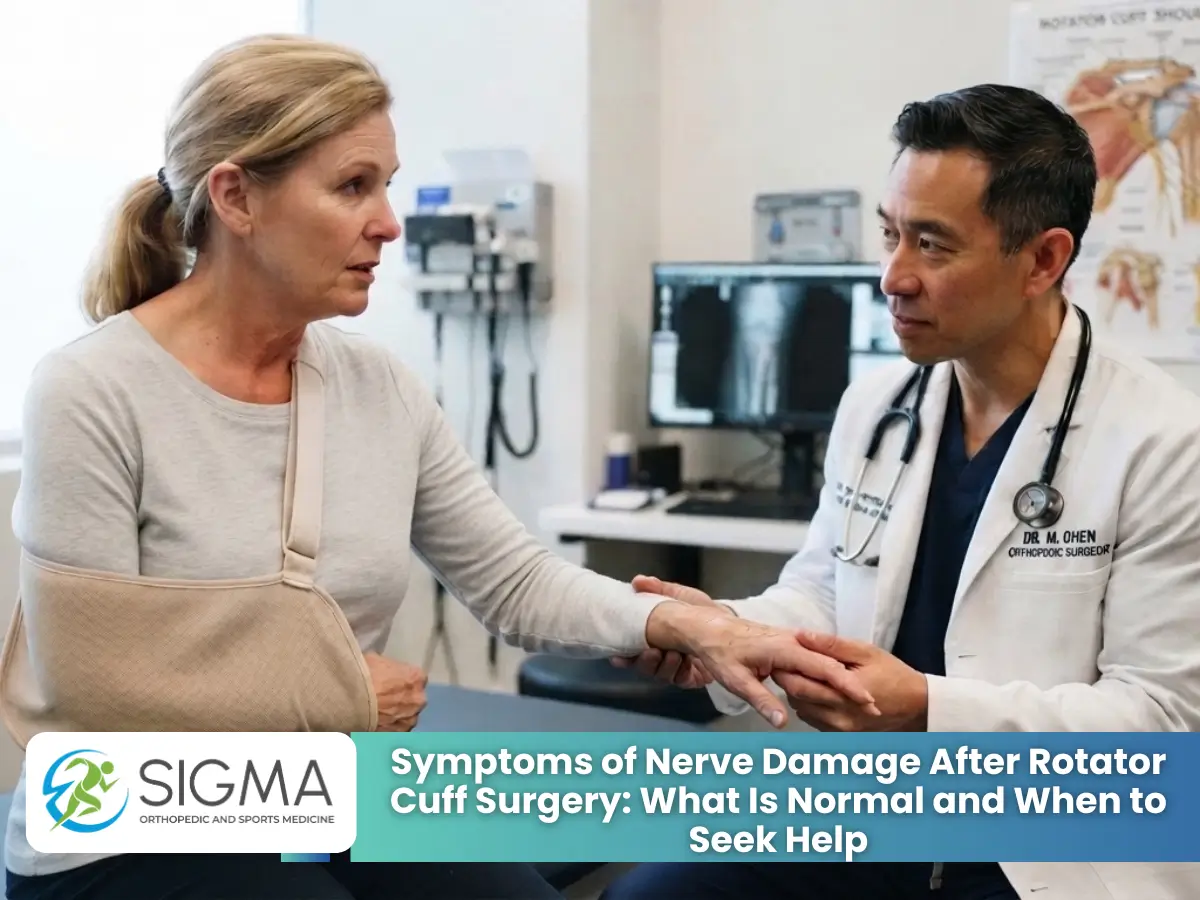
Rotator cuff surgery is highly successful for relieving pain and restoring shoulder function, but recovery is not always straightforward. Mild numbness, tingling, and temporary weakness can occur after surgery because of swelling, anesthesia, or the position of the arm during the procedure. However, symptoms that worsen over time or fail to improve may indicate irritation or injury to a nerve.
The symptoms of nerve damage after rotator cuff surgery can include persistent numbness, burning pain, muscle weakness, reduced grip strength, or difficulty moving the shoulder, arm, or hand. While permanent nerve injuries are uncommon, recognizing warning signs early allows your surgeon to investigate the cause and begin treatment if needed.
Understanding what is expected during recovery and what is not can help you recover with confidence and know when additional medical attention is necessary.
Is Nerve Damage Common After Rotator Cuff Surgery?
Nerve injuries after shoulder surgery are considered uncommon, but they are a recognized complication. Research suggests that most nerve-related symptoms are temporary and improve as swelling decreases and the affected nerve recovers. In many cases, the nerve is irritated rather than permanently damaged.
Several factors can contribute to temporary nerve irritation. During surgery, nerves may be stretched slightly while the shoulder is positioned for better access. Local anesthetic nerve blocks, which are commonly used for pain control, can also cause temporary numbness or weakness that gradually resolves. After surgery, inflammation and fluid buildup around the shoulder may place pressure on nearby nerves.
Fortunately, most patients never experience lasting nerve problems. When symptoms persist beyond the expected healing period or continue worsening, further evaluation becomes important.
Why Can Nerves Be Affected During Shoulder Surgery?
The shoulder contains a complex network of nerves that control movement and sensation throughout the arm and hand. These nerves travel very close to the structures repaired during rotator cuff surgery.
Although surgeons take extensive precautions to protect them, nerves may occasionally become irritated by:
- Surgical swelling around the shoulder
- Retraction of tissues during the procedure
- Stretching caused by arm positioning
- Scar tissue developing during healing
- Compression from postoperative swelling
- Temporary effects of regional anesthesia
- Rare direct nerve injury
Modern arthroscopic techniques have significantly reduced the risk compared with older open procedures. Even so, some patients notice temporary changes in sensation that gradually improve over several weeks.
Which Nerves Are Most Commonly Involved?
Several nerves travel through or around the shoulder, each serving different muscles and areas of skin. Knowing which nerve may be involved can help explain certain symptoms.
Axillary Nerve
The axillary nerve supplies the deltoid muscle and provides sensation over the outer shoulder. Irritation may lead to difficulty lifting the arm sideways, shoulder weakness, or numbness over the outside of the shoulder.
Suprascapular Nerve
This nerve controls two important rotator cuff muscles. Injury may cause persistent weakness when lifting or rotating the arm, even after the repaired tendon has begun healing.
Musculocutaneous Nerve
This nerve powers the biceps and provides feeling to part of the forearm. Patients may notice elbow weakness or altered sensation along the front of the forearm.
Radial Nerve
The radial nerve helps extend the wrist and fingers. If affected, patients may experience wrist pain after rotator cuff surgery, wrist weakness, or difficulty straightening the fingers.
Median and Ulnar Nerves
Although these nerves are farther down the arm, swelling, sling positioning, or prolonged elbow flexion after surgery may place pressure on them. This can contribute to numbness in hand after shoulder surgery, tingling in the fingers, or reduced grip strength.
Symptoms That May Suggest Nerve Irritation or Injury
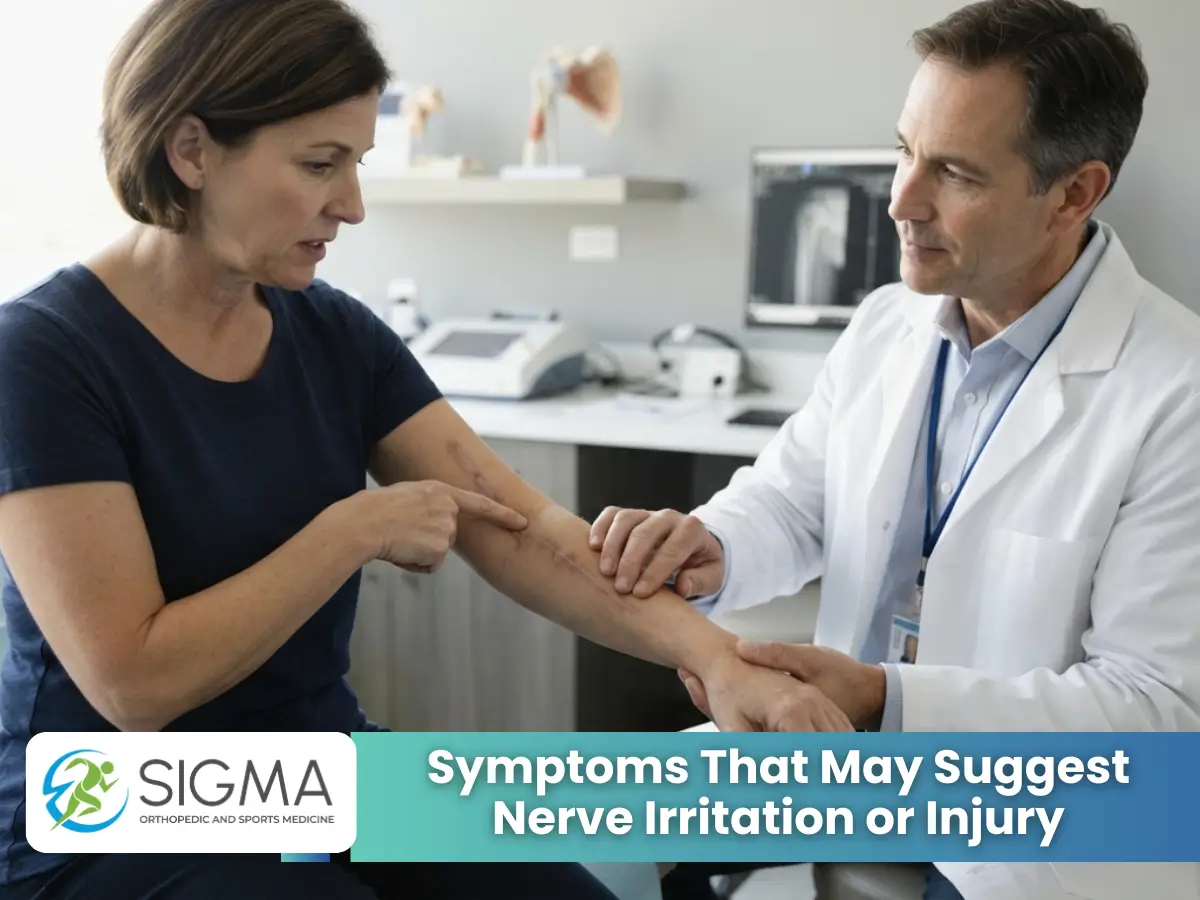
Not every unusual sensation indicates serious damage. During the first several days after surgery, nerves often react to swelling, inflammation, and tissue healing.
Symptoms that deserve attention include:
Persistent Numbness
A shoulder nerve block typically wears off within 12 to 24 hours, although some effects may last slightly longer. If numbness continues for several days without improvement or appears after initially resolving, your surgeon should be informed.
Some patients notice nerve damage in hand after rotator cuff surgery, particularly numbness affecting the thumb, index finger, or little finger. The location often provides clues about which nerve is involved.
Burning or Electric Pain
Healing tissues usually produce aching soreness rather than burning pain. Sharp, shooting, or electric sensations traveling down the arm may indicate nerve irritation.
This type of nerve pain after rotator cuff surgery often feels different from normal surgical discomfort. Instead of remaining near the shoulder, it may radiate into the forearm or fingers.
Muscle Weakness
Weakness is expected because the repaired tendon must be protected while it heals. However, complete inability to move certain muscles or sudden worsening weakness deserves evaluation.
For example, difficulty extending the wrist, gripping objects, or lifting the arm after initial improvement may indicate a nerve problem rather than routine postoperative stiffness.
Tingling or “Pins and Needles”
Occasional tingling during recovery is common. Constant tingling that interferes with sleep or spreads into multiple fingers may require additional assessment.
Reduced Grip Strength
Many patients notice temporary weakness while wearing a sling. Persistent difficulty holding a coffee mug, turning a doorknob, or buttoning clothing could suggest involvement of nerves supplying the hand.
Sensitivity to Touch
Some patients develop hypersensitivity where even light clothing brushing against the skin becomes uncomfortable. This abnormal nerve response may gradually improve with time and rehabilitation.
Normal Recovery Symptoms vs. Possible Nerve Damage
One of the biggest concerns after surgery is distinguishing normal healing from a true complication.
Normal recovery often includes soreness around the shoulder, temporary stiffness, bruising, mild swelling, and occasional tingling that gradually improves. Sleep disturbances are also extremely common during the first several weeks.
Possible nerve damage from shoulder surgery becomes more concerning when symptoms continue worsening instead of improving. Persistent numbness, burning pain, severe muscle weakness, or loss of coordination should not simply be dismissed as part of recovery.
A useful guideline is to watch for progress rather than perfection. Recovery rarely improves in a perfectly straight line, but overall function should slowly get better over time.
Can the Sling Cause Nerve Symptoms?
Yes. Surprisingly, not every nerve complaint originates from the surgical site itself.
After surgery, the arm often remains in a sling for several weeks. If the sling fits poorly, places excessive pressure on the elbow, or keeps the wrist bent awkwardly, nerves farther down the arm may become compressed.
Patients sometimes report tingling in the ring and little fingers because prolonged elbow flexion places pressure on the ulnar nerve. Others experience numbness in the thumb and index finger from wrist positioning or swelling.
Simple adjustments to sling fit, elbow position, and hand exercises often relieve these symptoms before permanent problems develop.
How Long Should Numbness Last?

The answer depends on the underlying cause.
If numbness is related to a regional nerve block, it usually resolves within one day. Swelling-related compression may improve over several weeks as inflammation decreases.
When an irritated nerve has been stretched but not permanently injured, recovery often occurs gradually over several months because nerves heal much more slowly than muscles or skin.
The nerve damage in shoulder recovery time varies widely depending on the severity of the injury. Mild nerve irritation may improve within weeks, while more significant nerve injuries can require many months for meaningful recovery.
Patience is important, but so is communication with your surgeon if symptoms remain unchanged or continue worsening.
Who Has a Higher Risk of Nerve Problems?
Most patients recover without nerve complications, but certain factors can increase the likelihood of postoperative nerve symptoms.
Older adults may have less resilient nerve tissue, making recovery slower after surgical stress. People with diabetes are also at greater risk because elevated blood sugar can affect nerve health and healing capacity. Pre-existing conditions such as cervical spine disease or carpal tunnel syndrome may become more noticeable during recovery, even if they were mild before surgery.
Longer surgical procedures, extensive rotator cuff tears, revision surgeries, and significant postoperative swelling may also contribute to temporary nerve irritation. In some cases, prolonged sling use or poor positioning during recovery can place additional pressure on nerves in the arm and hand.
Understanding these risk factors does not mean nerve problems are inevitable. Instead, it helps explain why recovery timelines differ from one patient to another and why careful follow-up is important after post shoulder surgery rehabilitation.
How Doctors Diagnose Nerve Problems After Rotator Cuff Surgery
If nerve-related symptoms continue beyond the expected recovery period or become more severe, your orthopedic surgeon will perform a thorough evaluation to determine whether the symptoms are part of normal healing or indicate a nerve injury.
The evaluation usually begins with a discussion about when your symptoms started, whether they are improving or worsening, and which parts of your arm or hand are affected. The timing often provides valuable clues. Symptoms that appear immediately after surgery may have a different cause than symptoms that develop several weeks later.
A physical examination follows. Your surgeon will assess shoulder movement, muscle strength, sensation, and reflexes. They may ask you to perform simple movements such as extending your wrist, making a fist, or raising your arm. Comparing both sides of the body helps identify subtle differences in muscle function.
If symptoms persist or there is concern about significant nerve involvement, additional testing may be recommended.
Electromyography (EMG) and Nerve Conduction Studies
EMG and nerve conduction studies are among the most useful tests for evaluating nerve function. These studies measure how well electrical signals travel through nerves and muscles.
Because nerves need time to show measurable changes after an injury, these tests are often performed several weeks after surgery rather than immediately. They can help determine:
- Which nerve is affected
- Whether the injury is mild or severe
- Whether the nerve is recovering
- Whether symptoms may be coming from the neck instead of the shoulder
Imaging Studies
In some situations, your surgeon may order imaging to rule out other causes of persistent symptoms.
Ultrasound or MRI may be used to evaluate the repaired rotator cuff, surrounding soft tissues, or areas where swelling could be compressing a nerve. If symptoms suggest a cervical spine problem, imaging of the neck may also be appropriate.
Treatment Depends on the Cause
Treatment is highly individualized because not every patient with nerve symptoms has the same underlying problem.
The encouraging news is that many postoperative nerve injuries improve without additional surgery. The primary goal is to support healing while protecting the recovering nerve from further irritation.
Observation and Time
For mild nerve irritation, careful observation is often the best initial treatment.
As inflammation decreases and tissues heal, pressure on nearby nerves frequently resolves on its own. During this period, regular follow-up appointments allow your surgeon to monitor recovery and ensure symptoms continue moving in the right direction.
Physical Therapy
Physical therapy plays an important role throughout rotator cuff recovery.
A therapist helps restore shoulder mobility while avoiding excessive stress on the healing tendon. Gentle exercises also help prevent stiffness that could contribute to ongoing discomfort.
If nerve symptoms are present, therapy may include exercises designed to encourage normal nerve movement, improve posture, and gradually restore muscle strength without aggravating irritated tissues.
Pain Management
Pain caused by irritated nerves often feels different from ordinary postoperative soreness.
Depending on the severity of symptoms, your physician may recommend medications specifically used for nerve-related pain rather than relying solely on traditional pain relievers.
Ice, activity modification, and proper positioning during sleep may also reduce discomfort while healing progresses.
Treating Swelling
Reducing inflammation can relieve pressure on surrounding nerves.
Following postoperative instructions carefully, performing approved exercises, elevating the arm when appropriate, and avoiding excessive activity during the early healing phase all contribute to reducing swelling.
When Is Another Surgery Needed?
Fortunately, additional surgery is uncommon.
Most nerve-related symptoms improve gradually with conservative treatment. However, surgery may be considered if testing confirms significant nerve compression, structural injury, or another correctable problem that is unlikely to recover on its own.
The decision depends on multiple factors, including:
- The severity of weakness
- EMG findings
- Duration of symptoms
- Overall shoulder function
- Response to non-surgical treatment
Your orthopedic surgeon and, in some cases, a peripheral nerve specialist work together to determine whether surgical intervention is appropriate.
How Long Does Nerve Recovery Take?
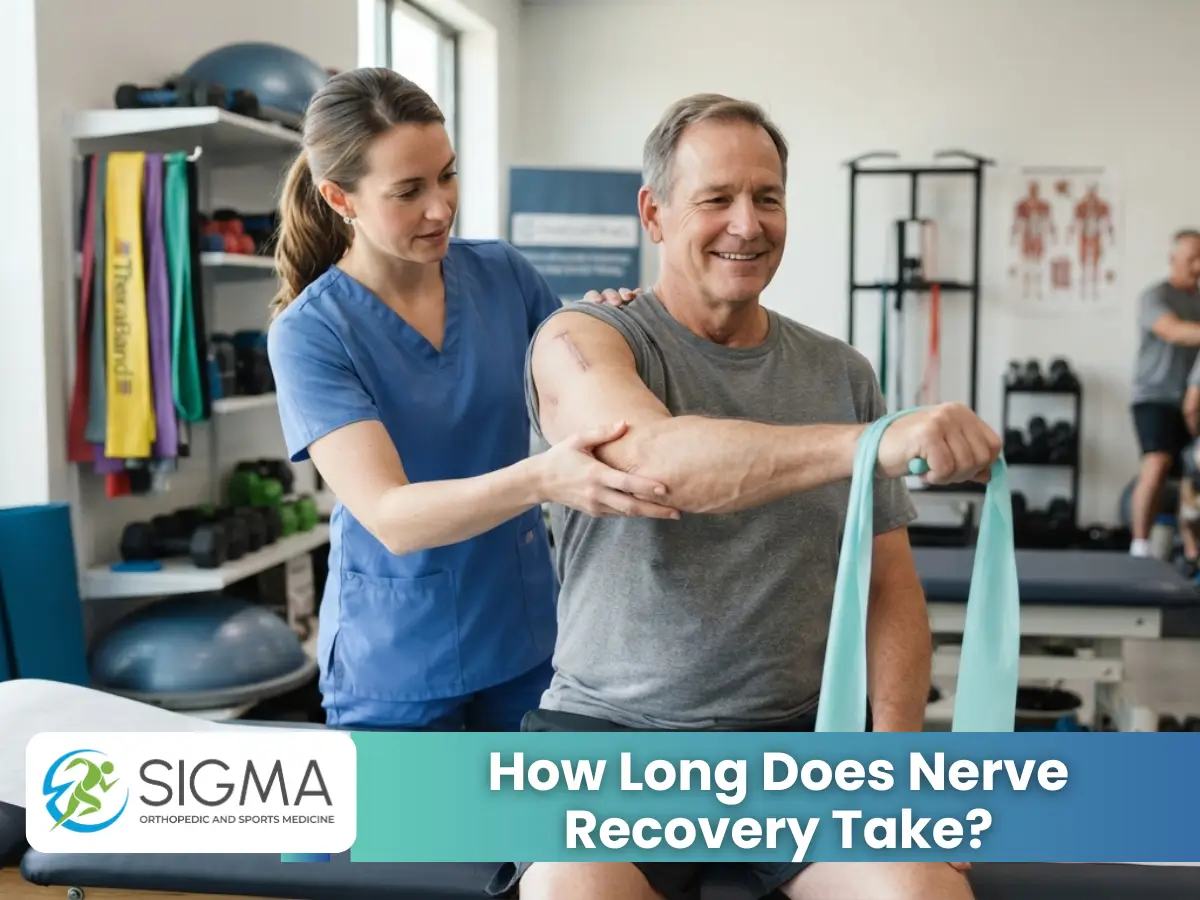
One of the most common questions patients ask is how long recovery will last.
Unfortunately, nerves heal much more slowly than muscles, tendons, or skin.
Minor irritation caused by swelling may improve within several weeks. Stretch-related injuries often require several months before meaningful improvement becomes noticeable. More significant injuries may continue recovering for a year or even longer.
This gradual process can be frustrating because improvements are often subtle rather than dramatic. Patients may first notice decreased tingling, followed by improved sensation, and finally increased muscle strength.
Recovery does not always occur at the same pace for everyone. Age, overall health, diabetes, smoking history, and the severity of the original injury all influence healing.
Even when recovery takes time, gradual improvement is generally a reassuring sign that the nerve is healing.
Tips That May Support Recovery
Although nerves require time to heal, patients can take several practical steps to encourage the best possible outcome.
Follow your rehabilitation program closely without attempting to progress faster than recommended. Rotator cuff repairs require protection while the tendon heals, and overloading the shoulder too early can create unnecessary inflammation.
Keep follow-up appointments so your surgeon can monitor changes in strength and sensation.
Pay attention to sling positioning. Avoid allowing the elbow to remain tightly bent for prolonged periods, and move your fingers and hand regularly if instructed to do so.
Good nutrition, adequate sleep, and blood sugar control in patients with diabetes also contribute to healthy tissue healing.
Most importantly, report new symptoms promptly instead of waiting several weeks to see if they disappear on their own.
Warning Signs That Require Immediate Medical Attention
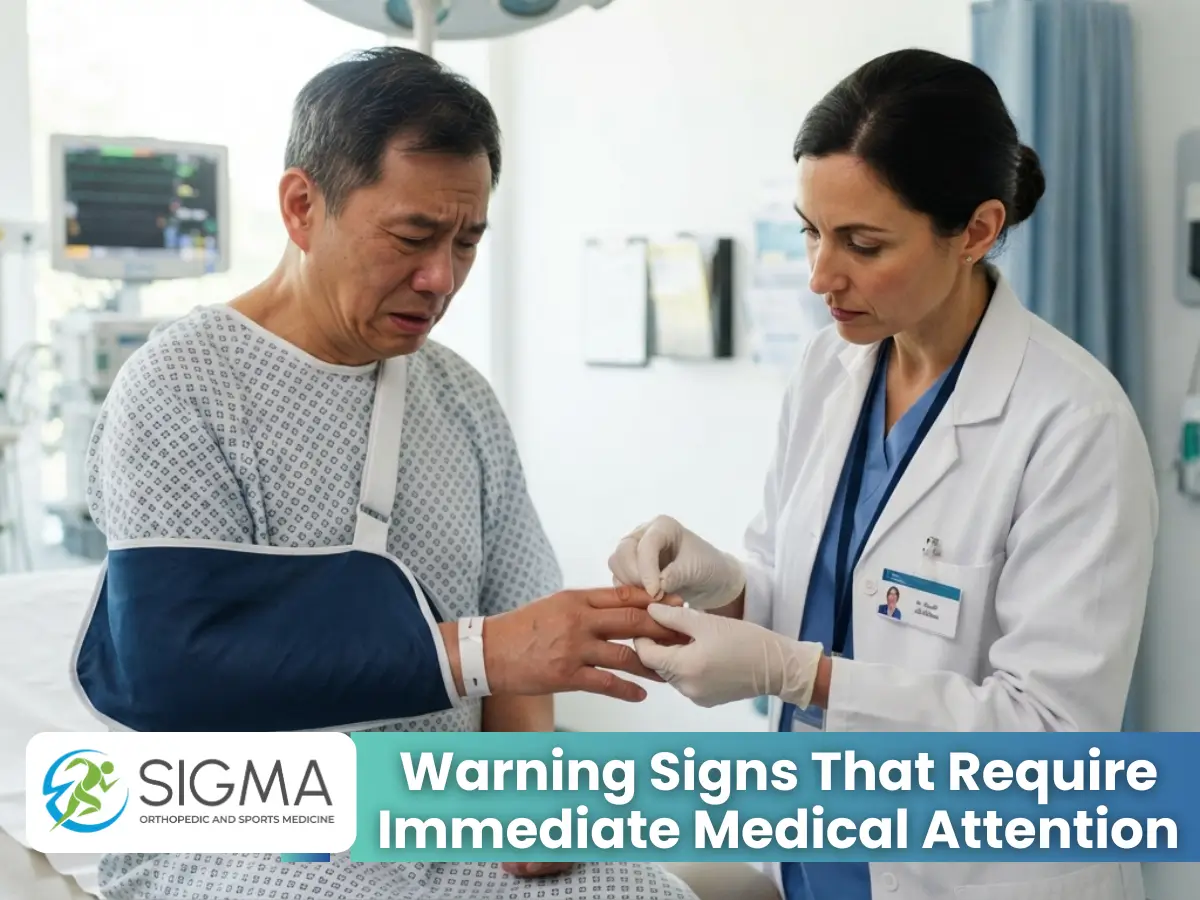
Most postoperative symptoms are not emergencies, but certain changes should never be ignored.
Contact your surgeon immediately or seek urgent medical care if you experience:
- Complete inability to move your hand or fingers
- Sudden loss of sensation throughout the arm
- Rapidly worsening weakness
- Severe swelling with increasing pain
- Fingers becoming cold, pale, or blue
- Fever, drainage, or signs of infection around the incision
- Severe pain that is not relieved by prescribed medication
These symptoms may indicate a problem requiring prompt evaluation rather than routine postoperative healing.
Can Nerve Damage Be Prevented?
No surgery can eliminate every possible risk, but modern techniques have made rotator cuff repair safer than ever.
Experienced orthopedic surgeons minimize risk through careful surgical planning, gentle tissue handling, precise arthroscopic techniques, and attention to patient positioning throughout the procedure.
Patients also play an important role by following postoperative instructions carefully. Wearing the sling as directed, avoiding premature lifting, attending physical therapy, and reporting unusual symptoms early all contribute to a smoother recovery.
While prevention cannot guarantee that nerve irritation will never occur, these steps significantly reduce the likelihood of complications.
Long-Term Outlook
The vast majority of patients who undergo rotator cuff repair experience steady improvement in pain and shoulder function over time.
Even when temporary nerve irritation develops, most patients recover without permanent disability. Patience is often one of the most important parts of the healing process because nerves regenerate much more slowly than many people expect.
Persistent symptoms should never be ignored, but they also should not automatically lead to the conclusion that permanent nerve damage has occurred. Careful evaluation, appropriate testing, and ongoing rehabilitation allow most patients to regain function and return to daily activities.
Maintaining open communication with your orthopedic team throughout recovery helps ensure that concerns are addressed early and treatment is adjusted if needed.
Final Thoughts
Recovering from rotator cuff surgery is a gradual journey, and temporary numbness, tingling, or weakness can be part of the normal healing process. The key is recognizing the difference between expected postoperative changes and symptoms that continue to worsen or fail to improve.
If you notice persistent numbness, burning pain, increasing weakness, or difficulty using your hand or arm, don’t assume it will simply resolve with time. Early evaluation can identify whether the problem is related to swelling, temporary nerve irritation, or a less common complication requiring additional treatment.
At SIGMA Orthopedics and Sports Medicine, patient education is an important part of recovery. Understanding what is normal and when to seek medical advice—helps patients recover more confidently and avoid unnecessary delays in treatment. Whether your symptoms are mild or concerning, staying connected with your orthopedic surgeon gives you the best opportunity for a successful outcome.
Frequently Asked Questions
Is numbness after rotator cuff surgery normal?
Yes. Mild numbness is common during the first few days after surgery, especially if a regional nerve block was used. Swelling around the shoulder can also temporarily affect nearby nerves. If numbness persists, worsens, or returns after initially improving, contact your surgeon.
How can I tell if I have nerve damage after shoulder surgery?
Symptoms that may suggest a nerve problem include persistent numbness, burning or electric pain, significant muscle weakness, loss of grip strength, or difficulty moving your wrist, hand, or shoulder. These symptoms should be evaluated if they do not gradually improve.
Can a nerve heal without surgery?
In many cases, yes. Mild nerve irritation caused by swelling or stretching often improves with time, physical therapy, and observation. More severe injuries may require additional testing and, in rare cases, surgical treatment.
How long does nerve recovery usually take?
Recovery depends on the type and severity of the injury. Mild irritation may improve within weeks, while more significant nerve injuries can require several months or even a year or longer before recovery is complete.
Can a shoulder sling cause numbness in the hand?
Yes. A poorly fitted sling or prolonged elbow flexion can place pressure on nerves traveling through the arm, causing temporary numbness or tingling in the fingers. Adjusting the sling and following your surgeon’s recommendations often relieves these symptoms.
When should I call my surgeon?
You should contact your surgeon if numbness continues worsening, burning pain becomes severe, muscle weakness increases, your fingers become discolored, or you develop signs of infection such as fever or drainage from the incision.
Is permanent nerve damage common after rotator cuff surgery?
No. Permanent nerve injury is rare. Most nerve-related symptoms improve gradually as swelling decreases and the irritated nerve recovers. Early evaluation and appropriate treatment further improve the likelihood of a good outcome.
Can physical therapy help nerve recovery?
Yes. Physical therapy helps restore shoulder mobility, improve muscle strength, reduce stiffness, and support normal movement patterns during recovery. A rehabilitation program should always be performed under the guidance of your surgeon and physical therapist.
Disclaimer: This content is for informational purposes only and does not constitute medical advice. Always seek the advice of a qualified healthcare provider with any questions you may have regarding a medical condition or before starting any new medication. Never disregard professional medical advice or delay in seeking it because of something you have read in this blog.